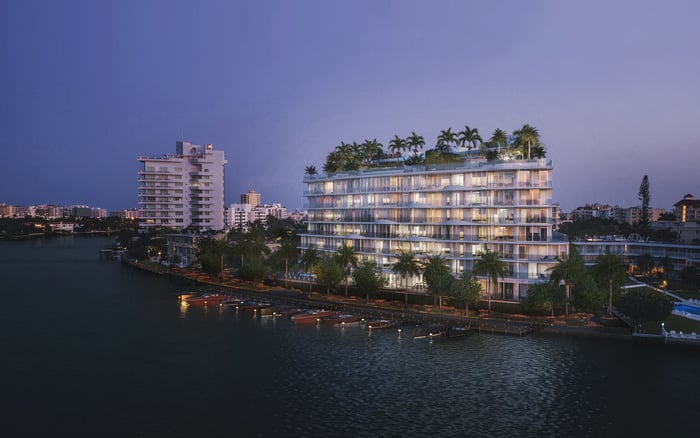
Bay Harbor Towers is best understood as a practical Bay Harbor Islands condo candidate for buyers who value calmer ownership logistics, predictable expectations, and less administrative drag over maximum amenity volume.
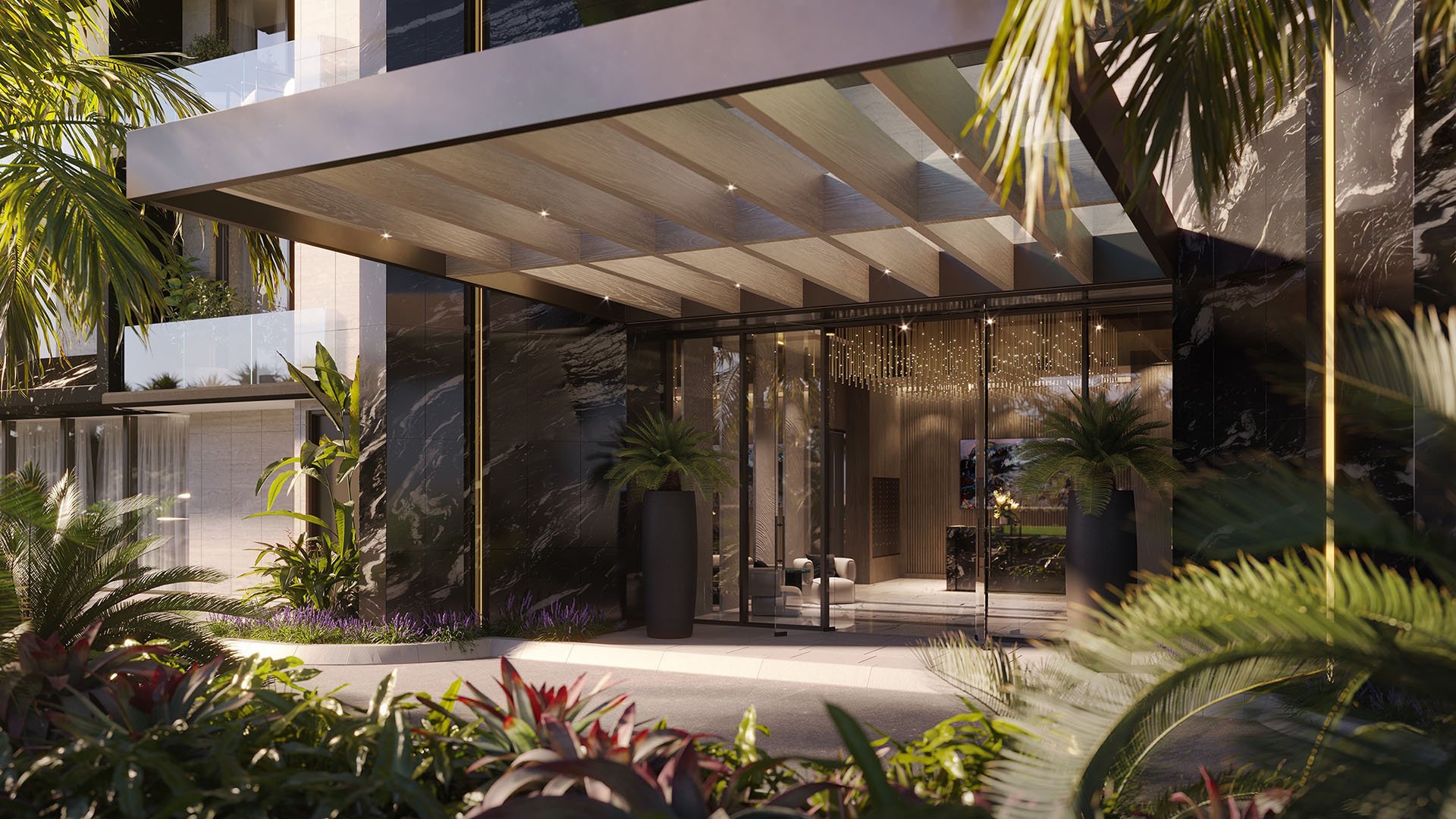
For a certain South Florida buyer, the most persuasive amenity is not another lounge, wellness room, or programmed social calendar. It is the ability to own well with less administrative noise. That is the core reason Bay Harbor Towers belongs on the shortlist for buyers prioritizing lower operational friction.
Lower operational friction is not the same as buying small, basic, or unambitious. In the luxury condominium context, it means reduced owner time, less uncertainty, lower exposure to cost volatility, and fewer administrative hassles in daily ownership. It is the difference between a residence that continually demands attention and one that can function as a calm, connected South Florida base.
Bay Harbor Towers is positioned for buyers who care less about maximizing amenity volume and more about simplifying ownership logistics. That distinction matters now because affluent condo buyers are increasingly evaluating buildings not only by views, finishes, and address, but also by how manageable ownership may feel after closing.
Bay Harbor Islands offers a calmer setting than denser nearby condo submarkets, while still keeping buyers connected to the broader Miami Beach, Surfside, and Bal Harbour corridor. That balance is central to the Bay Harbor Towers thesis. The neighborhood can appeal to owners who want access without the intensity that often accompanies larger, more active high-rise environments.
The lifestyle proposition is subtle rather than theatrical. A buyer here is not necessarily trying to replicate the hospitality choreography of a branded oceanfront tower. The more compelling use case is the owner who wants a practical, polished home base with fewer procedural burdens, especially if the property will serve as a second-home or seasonal residence.
That does not mean buyers should assume simplicity without verification. Rather, Bay Harbor Towers should be evaluated through the lens of practical ownership: association governance, maintenance obligations, building systems, access, parking, and rental rules. The point is not to avoid diligence. The point is to focus diligence on the factors that directly affect everyday ease.
Bay Harbor Towers is most relevant to owners with limited tolerance for unpredictable association politics, complex building operations, or opaque carrying-cost expectations. These are buyers who may have the budget for highly serviced new product, but not the appetite for an ownership structure that feels busy, costly, or overly managed.
That buyer often asks different questions. Instead of leading with the most dramatic amenity deck, they ask how decisions are made, how maintenance is handled, whether rules are practical, and whether building operations are likely to remain understandable. Investment thinking is also part of the equation, though not in the speculative sense. For many affluent buyers, preservation of time and clarity can be as important as a conventional return metric.
Bay Harbor Towers is framed as more compelling for those seeking manageable ownership than for those pursuing the newest ultra-luxury amenity stack. Boutique does not automatically mean frictionless, and larger does not automatically mean complicated. Still, building scale, age, location, and management model can combine to shape how demanding a condo feels to own.
Newer oceanfront luxury developments often bring elevated service levels, design ambition, and deep amenity programming. For the right buyer, that is exactly the point. A residence such as 57 Ocean Miami Beach may speak to those who prioritize a beach-forward environment and a more contemporary luxury experience. But higher service intensity can also introduce more operational complexity, including broader staffing, more programming decisions, and more moving parts for an association to manage.
Within Bay Harbor Islands, buyers may also compare Bay Harbor Towers with newer or more contemporary alternatives such as Alana Bay Harbor Islands, La Baia North Bay Harbor Islands, or Onda Bay Harbor. Those comparisons are useful because they clarify the buyer’s real priority. Is the objective fresh product and a broader amenity narrative, or a potentially more straightforward ownership rhythm?
Neither answer is inherently superior. The important issue is alignment. A buyer who values constant service, social programming, and the latest design language may prefer a different path. A buyer who wants quiet usability, practical access, and fewer layers of operational decision-making may find Bay Harbor Towers more relevant.
Resale buyers evaluating Bay Harbor Towers should resist the temptation to treat lower friction as a slogan. It should be tested. The most important materials include condominium documents, current budgets, reserve information, recent meeting minutes, insurance coverage, inspection status, assessment history, and rental rules.
Those documents help translate a pleasant ownership idea into a clearer operating picture. They can reveal whether maintenance obligations appear straightforward, whether association decisions seem organized, and whether future costs are likely to feel predictable or uncertain. They also help buyers understand the boundaries of use, including leasing limitations and parking practicalities.
The same diligence is essential when comparing Bay Harbor Towers with older high-rise inventory in more active markets, where inspections, capital projects, and association issues can create more friction. The goal is not to avoid older buildings broadly. It is to separate well-understood ownership from ownership that may demand more time, patience, and capital planning than the buyer wants to provide.
Part of the appeal is geographic. Bay Harbor Islands sits close to Bal Harbour and Surfside while offering a more residential cadence. For many buyers, that adjacency creates a useful middle ground: access to the surrounding luxury corridor without necessarily choosing the most intense operating environment within it.
That context also helps explain why Bay Harbor Towers should be considered alongside a broader set of coastal and island options. A buyer attracted to Bal Harbour’s prestige may also study Rivage Bal Harbour, while a buyer seeking the specific calm of Bay Harbor Islands may decide that operational ease matters more than a larger amenity promise.
The distinction is especially important for buyers who travel frequently. A lock-and-leave mindset benefits from clarity. If a residence requires constant approvals, unpredictable meetings, or recurring operational surprises, the convenience premium quickly erodes. Bay Harbor Towers’ shortlist case rests on the possibility of a more manageable daily ownership pattern.
Bay Harbor Towers belongs in the conversation when the buyer’s core priorities are time, predictability, and administrative simplicity. Its appeal is not based on claiming the loudest amenity story in South Florida. It is based on a quieter form of luxury: a home that may ask less of its owner.
The best buyer for this profile will be methodical rather than dazzled. They will compare governance, systems, rules, parking, access, and maintenance expectations before comparing amenity renderings. They will ask whether the building’s scale and management model support the lifestyle they actually intend to live.
That is why Bay Harbor Towers is not merely a fallback option for someone priced out of flashier product. It is a deliberate candidate for a buyer who sees operational calm as a luxury category of its own.
What does lower operational friction mean for a condo buyer? It means less owner time, reduced uncertainty, lower cost volatility, and fewer administrative hassles in day-to-day ownership.
Why is Bay Harbor Towers relevant to this type of buyer? Bay Harbor Towers is positioned for buyers who value simpler ownership logistics over maximum amenity volume.
Is Bay Harbor Towers mainly an amenity-driven choice? No. Its appeal is framed more around manageability, a calm setting, and practical ownership expectations.
What should buyers review before purchasing? Buyers should review condo documents, budgets, reserves, meeting minutes, insurance, inspection status, assessment history, and rental rules.
How does Bay Harbor Islands help the ownership case? The setting offers a calmer residential rhythm than denser nearby condo submarkets while remaining connected to the coastal corridor.
Is this a good fit for a seasonal owner? It can be, particularly for a buyer who wants a calm South Florida base with fewer procedural burdens.
Should buyers compare it with new construction? Yes. Newer luxury buildings may offer more amenities, but those features can also add operational complexity.
What risks should not be overlooked? Buyers should not assume simplicity without verifying governance, maintenance obligations, rules, parking, and building systems.
Is predictable carrying cost part of the appeal? Yes. The project is framed for owners who value clearer expectations around carrying costs and maintenance.
Who is the wrong buyer for this profile? A buyer seeking the newest ultra-luxury amenity stack or highly programmed service environment may prefer another option.
To compare the best-fit options with clarity, connect with MILLION.
If branded residences are on your mind — as a home or as an allocation — we would be glad to share what we are seeing, privately.
Begin a quiet conversation