A buyer-focused framework for evaluating wellness, medical access and seasonal condominium living in Aventura beyond headline amenities.
For a seasonal owner, the most valuable condominium amenity may not be the one photographed at sunset. It may be the quiet confidence that a morning routine can continue without friction, the residence can be left and reopened with ease, and medical care feels practically accessible when needed.
This distinction is especially relevant in Aventura, where buyers often evaluate a home through two lenses: the pleasure of being in residence and the reassurance of managing life from elsewhere. A polished amenity program still matters, but its value depends on how reliably it supports real habits. In this context, wellness is less about spectacle than continuity.
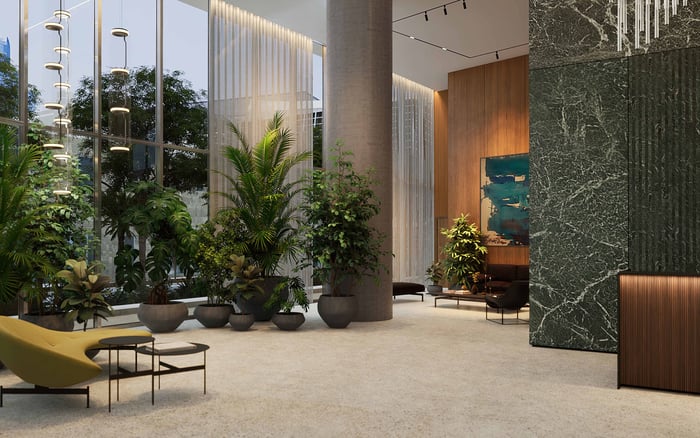
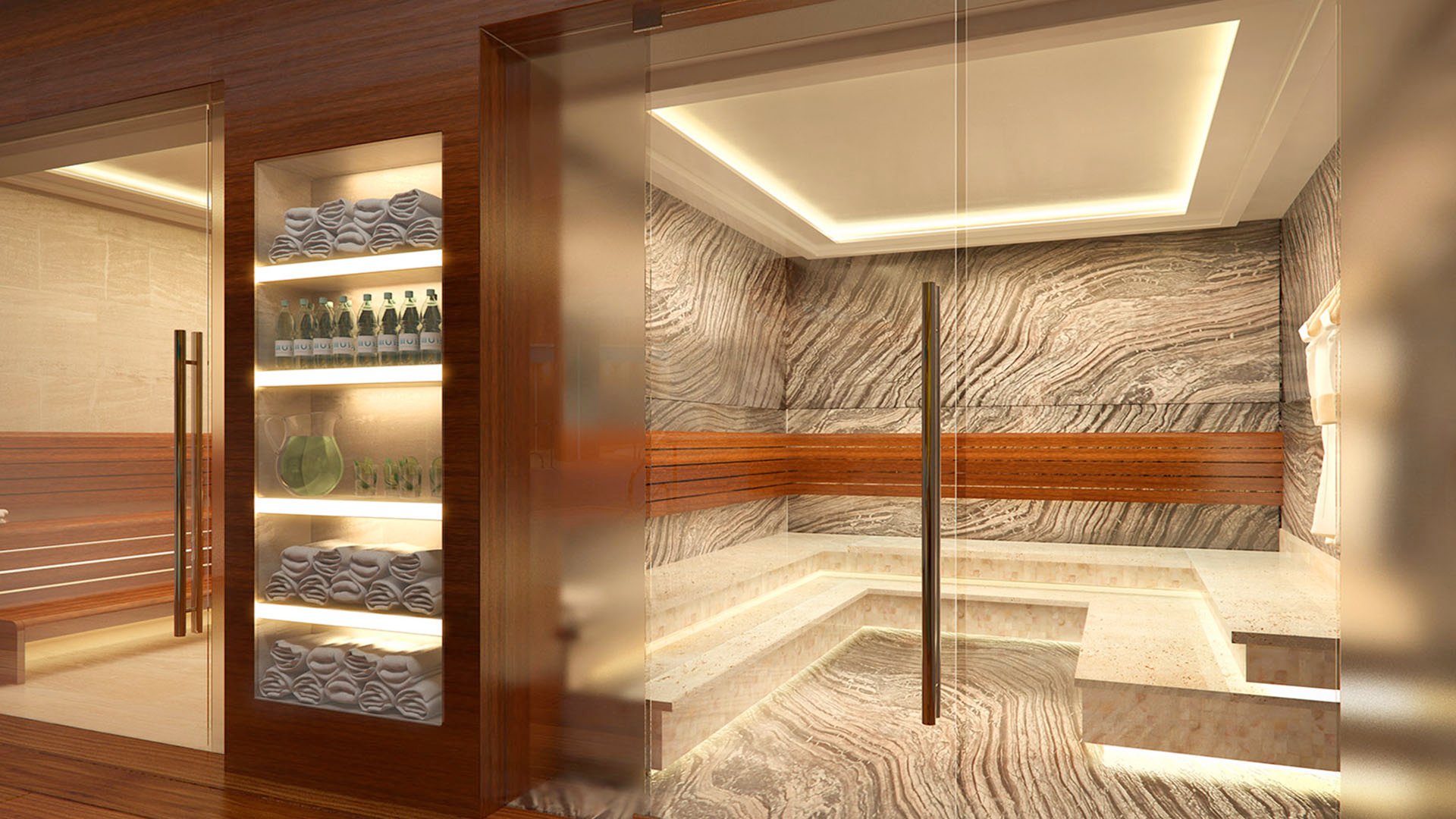
A wellness program should be considered a connected system rather than a collection of rooms. Buyers can assess how fitness, recovery, outdoor time, private space and resident services come together during an ordinary week. The critical issue is not whether a facility appears on a plan, but whether its hours, access rules, capacity and upkeep suit the owner's schedule.
The word pool may suggest leisure, while a lap pool may imply structured exercise, yet labels alone reveal little about day-to-day usability. Orientation, privacy, reservation policies, seasonal demand and maintenance practices can all determine whether an amenity becomes part of a routine.
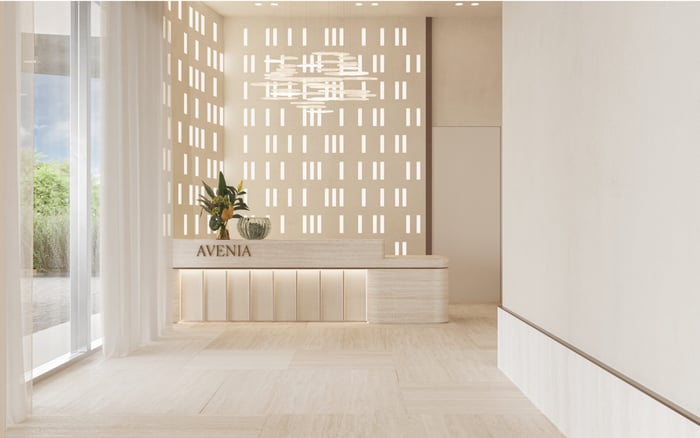
When reviewing Avenia Aventura, buyers can use the project conversation to frame specific questions: Which spaces support regular movement? How are services coordinated? What remains available when occupancy rises? The objective is not to count amenities, but to understand how the building intends to operate them.
Medical proximity should be assessed from the front door, not from a map alone. A short geographic distance can feel very different depending on the time of day, building departure procedures, visitor access and transportation arrangements. Seasonal owners may also want to consider how a spouse, relative, caregiver or driver would navigate the same journey.
This is not an invitation to predict medical needs. It is prudent planning, much like reviewing insurance, storm procedures or residence management. Buyers can identify the types of care important to their household, then personally test the routes and logistics before making a decision.
The conversation should also extend inside the building. Ask how staff handle urgent requests, how authorized visitors gain access and whether management can assist with practical coordination. These questions do not replace professional medical or emergency guidance. They clarify how effectively the residential setting can support the owner's own plan.
A second home must perform as well during an absence as it does during occupancy. For seasonal ownership, wellness can include air quality, preventive maintenance, readiness before arrival and a clear process for resolving issues remotely. The more elaborate the amenity package, the more important it becomes to understand staffing, service continuity and responsibility.
A buyer might ask who checks the residence, how permissions are documented, what happens when a repair is needed and which services require separate arrangements. This operational review belongs alongside the familiar inspection of finishes, views and floor plans.
Lifestyle considerations should be equally concrete. If daily walking, quiet mornings, private training or convenient appointments shape the season, those priorities should guide the search before decorative preferences do. The best residence is often the one that protects the owner's rhythm with the least negotiation.
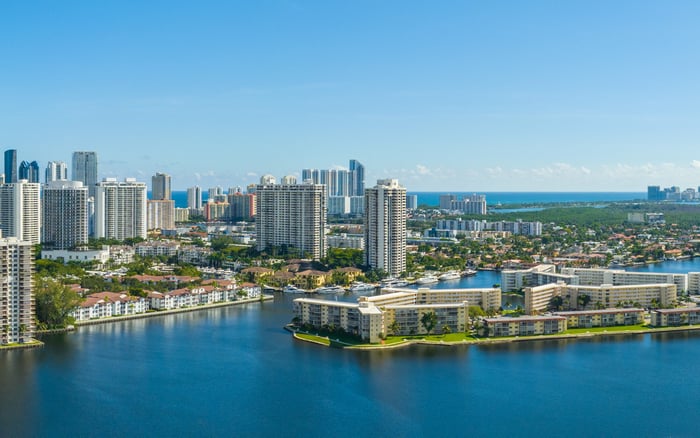
Aventura need not be evaluated in isolation. Nearby choices can sharpen a buyer's understanding of what matters, even when they represent different settings. One Park Tower by Turnberry North Miami can broaden the comparison westward, while Bentley Residences Sunny Isles and The Ritz-Carlton Residences® Sunny Isles invite consideration of Sunny Isles Beach.
The point is not to treat these residences as interchangeable. It is to compare the tradeoffs among waterfront living, privacy, service expectations, travel patterns and access to the places an owner uses most. A broader tour can reveal whether the original priority was an amenity, a location or simply a feeling created by the presentation.
Unlike generic buyer's guides, a useful seasonal review should be tailored to the household. Request current governing documents and operating information through the appropriate professional channels, then examine rules affecting guests, service providers, renovations, pets, deliveries and extended absences.
Tour at the hours when the residence would actually be used. Walk the route from the parking or arrival area to the home, visit the wellness spaces, and consider noise, privacy and ease of movement. Test relevant off-site journeys rather than assuming a familiar neighborhood name guarantees convenience.
For an investment-minded buyer, resale and carrying considerations may remain important, but they should not displace personal utility. New construction can offer a fresh proposition, while an established residence may provide a clearer view of lived operations. In either case, the disciplined question remains the same: Will this home support the owner's health, time and independence across multiple seasons?
Why can wellness matter more than the number of amenities? A smaller collection of usable, well-managed spaces may support daily life better than a long list that does not match the owner's routine.
How should buyers assess medical proximity? Test relevant routes under realistic conditions, accounting for departure, arrival, visitor and transportation logistics.
Should a buyer choose a building based on emergency response claims? No. Review the building's procedures directly and rely on qualified professionals for medical and emergency planning.
What should seasonal owners ask about staff? Ask about coverage, communication, access authorization, residence checks and the escalation of urgent property matters.
Are wellness amenities valuable if they require reservations? They can be, provided the booking rules, hours and likely demand align with the owner's preferred schedule.
Why tour at different times of day? Activity, noise, traffic and amenity demand may vary throughout the day.
What matters when leaving a residence vacant? Clear inspection, maintenance, access and communication protocols can help preserve readiness between visits.
Is a coastal address automatically more convenient? No. Convenience depends on the owner's recurring destinations, preferred routes and tolerance for travel variability.
Should buyers compare Aventura with nearby areas? Yes. A wider comparison can clarify whether location, service, privacy or a specific daily routine is the true priority.
Who should review condominium documents? Buyers should engage appropriate legal, financial, insurance and property professionals for advice tailored to their circumstances.
When you're ready to tour or underwrite the options, connect with MILLION.
If branded residences are on your mind — as a home or as an allocation — we would be glad to share what we are seeing, privately.
Begin a quiet conversation