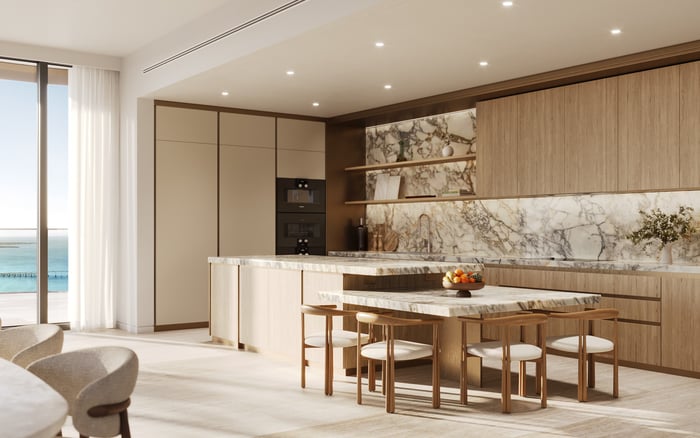
For buyers at The Residences at Mandarin Oriental, Miami, hurricane readiness deserves the same scrutiny as design and service. A disciplined review separates balcony preparation, protection-system duties, and absent-owner authorization into clear written responsibilities.

For a buyer considering The Residences at Mandarin Oriental, Miami, hurricane preparation belongs alongside design, privacy, and service in the purchase review. The essential question is not simply whether the building has hurricane protection. It is who will prepare the residence, under what authority, and by what deadline when the owner is elsewhere.
A service expectation is not an operating agreement. Balcony clearance, access to an absent owner's home, and operation of hurricane-protection systems are distinct matters. Each requires a written answer, not an inference drawn from the residential brand. Do not assume a guaranteed clearance service, a particular fee, or an automatic owner-absence arrangement.
The objective is straightforward: an ownership arrangement that remains manageable when travel plans and severe weather intersect.
Hurricane season runs from June 1 through November 30. That calendar supports advance planning, but it does not establish a residence-specific deadline for bringing furniture indoors or admitting a contractor.
Request clarification of the requirements applicable to loose objects on exposed balconies in Miami-Dade County. Ask which securing methods are permitted for the residence rather than assuming that indoor storage, bracing, bundling, or fastening is acceptable in every situation.
Ask separately for the building's preparation trigger, completion deadline, and access cutoff. Establish how instructions reach an owner traveling internationally and who receives them if the owner does not respond. Clarify whether revised instructions require acknowledgment.
Do not substitute a construction-jobsite watch or warning instruction for an owner-preparation deadline. Preparing well before a storm approaches is prudent planning, not proof of this property's policy.
A useful clearance plan begins with an inventory. Furniture is only part of the exposure: plants, bicycles, toys, and gardening supplies can also become airborne. Ask how every loose item will be handled, including pieces too heavy or awkward for one person to move safely.
Before furnishing the outdoor space, request written confirmation of permitted securing methods and a workable storage arrangement. Do not assume that fastening objects to a railing or another building component is acceptable.
The operational questions should be specific:
Who performs the work: the owner, a designated representative, an approved contractor, or an expressly agreed service provider?
What items are included, and which require specialist handling?
Where may items be stored, and who approves that location?
What charges, booking conditions, or cancellation terms apply?
How will completion be recorded and communicated?
For buyers also evaluating Una Residences Brickell, these questions provide a disciplined basis for comparison. They do not establish equivalent services or staffing obligations at either property.
Request the association's hurricane-protection specifications and ask counsel to confirm the applicable legal requirements. Establish what the board may install or require, what needs approval, and how the governing documents address those decisions.
For a buyer, the practical starting point is the system serving the residence. Request confirmation of the glazing, shutters, or other approved protection, along with the applicable specifications. Distinguish operating duties from maintenance, repair, and replacement responsibilities. Ask how the declaration allocates the relevant components between the association and unit owners.
Have counsel clarify the board's authority to operate hurricane protection and enter a unit in an emergency. Do not treat that authority as a substitute for documented permission to perform routine balcony clearing or move an absent owner's belongings.
If considering permanent shutters, establish association approval and applicable permitting and zoning-review requirements before commissioning work. The purchase decision should rest on the approved system and documented obligations, not an assumed ability to add protection later.
An absent-owner arrangement should identify a primary representative and a backup, then define what each may do. Possessing a key is not the same as having accepted authority to admit contractors, move belongings, authorize expenditure, or make emergency decisions.
Request the unit-entry policy and any required authorization form. Confirm how credentials are registered, whether access arrangements change during storm preparation, and whether a representative can admit association personnel or outside contractors. Ask what happens if the primary representative cannot attend.
Review any owner authorization for task scope, spending limits, duration, revocation, and communication requirements. These are recommended diligence points, not confirmed project requirements. Counsel can help reconcile the owner's instructions with the governing documents and entry policy.
Buyers comparing St. Regis® Residences Brickell should apply the same distinction between a service expectation and documented permission. A brand relationship should never substitute for property-specific access terms.
An outdoor setting is more practical when its preparation plan is considered before purchase. Discuss dimensions, handling, and indoor storage with the furnishing team, then check the proposed arrangement against the building's rules. An elegant terrace should not depend on an improvised moving operation immediately before severe weather.
Do not assume displayed fixtures, furniture, finishes, and decorative items are included in the purchase. Confirm what the purchase agreement conveys before assigning responsibility for clearing, storing, or maintaining it.
For anything separately acquired, retain an inventory and request a documented handling plan. Completion photographs and a short task record are sensible owner requests, but they should not be described as included services unless expressly agreed.
Request the current hurricane plan, emergency communications protocol, balcony rules, unit-entry policy, governing documents, and hurricane-protection specifications. Read them together rather than treating each as an isolated assurance. Where an operational question remains open, seek written clarification before relying on a particular arrangement.
The final responsibility schedule should identify the task, responsible party, trigger, deadline, access authority, cost basis, and evidence of completion. Include post-storm inspection arrangements and clarify who may authorize follow-up work. Ask directly whether any preparation service is guaranteed or conditional on availability.
The strongest outcome is not an expansive promise of effortless ownership. It is a precise agreement that leaves fewer decisions to be made under pressure and aligns the owner's expectations with the property's actual obligations.
For a discreet perspective on South Florida residential ownership, explore MILLION.
If branded residences are on your mind — as a home or as an allocation — we would be glad to share what we are seeing, privately.
Begin a quiet conversationHurricane season runs from June 1 through November 30. The building's preparation trigger and owner deadline should be confirmed separately.
A guaranteed balcony-clearance service should not be assumed. Obtain written confirmation of availability, scope, deadlines, fees, and any conditions.
Loose furniture, plants, bicycles, toys, and gardening supplies can become airborne. Preparation should address all loose outdoor objects, not just seating.
Request written confirmation of which items require indoor storage and whether any alternative securing methods are permitted. Do not assume fastening items to a railing is acceptable.
A jobsite watch or warning instruction does not establish this residence's owner-preparation deadline. Request the property's specific trigger, completion deadline, and access cutoff.
Have counsel confirm the board's authority under applicable law and the governing documents. Separately document permission for routine balcony clearing and handling an absent owner's belongings.
Review the declaration's allocation of the relevant components with counsel. Obtain written clarification of operating, maintenance, repair, and replacement duties.
It should address access credentials, permitted tasks, contractor admission, spending limits, and emergency decision-making authority. Confirm that the arrangement is accepted under the property's entry policy.
Do not assume displayed furnishings are included. Confirm what the purchase agreement conveys before planning care and storage.
Request the hurricane plan, emergency communications protocol, balcony rules, unit-entry policy, governing documents, and hurricane-protection specifications. Seek written clarification of service commitments and unresolved responsibilities.