A buyer-focused review of façade maintenance, balcony and podium waterproofing, water-intrusion disclosures, and cost allocation when evaluating a new-construction purchase at this Brickell Key development.
When evaluating a new-construction purchase at The Residences at Mandarin Oriental, Miami on Brickell Key, risk review should be prospective. Buyers should examine specifications, construction documentation, testing commitments, and future maintenance obligations-not assume there are completed repair cycles to evaluate.
This review does not establish a project-specific façade-sealant replacement cycle, balcony-waterproofing repair program, or verified wind-driven-rain claim. That distinction is neither a clean bill of health nor an allegation of defects. It defines the questions a purchaser should resolve before committing.
For a residence intended to deliver exceptional ease of ownership, the important details extend beyond finishes and service. A disciplined review asks what is designed, what has been installed and tested, what remains outstanding, and who will pay to maintain it.
Begin by reconciling the address in the purchase documents with the parcel and permit or process number. A street-address match alone should not determine whether a record belongs to the residence under review or another building or construction phase.
Ask the buyer’s consultant to assemble a building-specific file of relevant permit records, required inspections, status reports, and available documents or certificates, rather than collect isolated approvals. Confirm that each record applies to the scope being evaluated.
Keep demolition, foundation, and later envelope documentation separate. Approval for one scope does not confirm that balcony membranes, façade joints, or window interfaces have been completed and tested.
The central sealant question is not whether the building has already undergone replacement. It is whether the eventual owner will receive a documented basis for inspection, maintenance, and renewal. No project-specific replacement interval or service-life schedule is established here; assigning a standard number of years would create false precision.
Request the specified products, intended joint locations, joint details, installation dates as work progresses, and adhesion-test results. Ask for the manufacturer’s expected service life and written maintenance guidance, and have the consultant identify any conditions that qualify those expectations. Distinguish product expectations from contractual warranties and the association’s eventual maintenance plan.
Replacement access deserves equal attention. Ask how the relevant joints will be reached, who controls access, and how work would affect private residences or common areas. Request written confirmation of responsibility for routine inspection, localized repairs, and broader replacement.
The useful deliverable is a maintenance framework supported by actual specifications-not an informal assurance that the exterior will require little attention. Any budget assumption should be traceable to that framework.
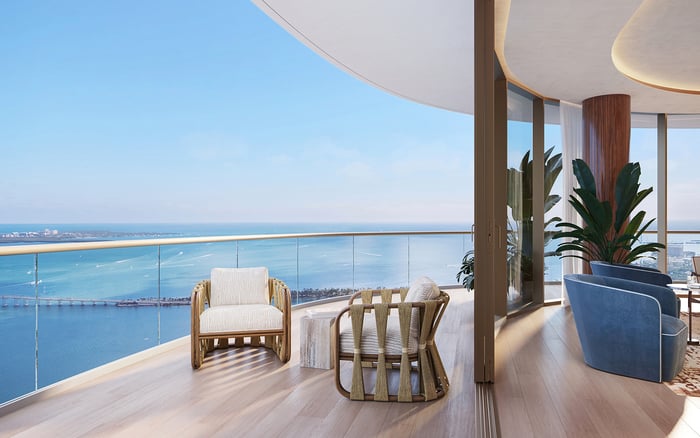
A balcony review should reach beneath the visible surface. Request approved waterproofing details and, when available, as-built documentation showing drainage, overflow provisions, thresholds, and penetrations. Have the consultant check how the membrane meets doors and adjoining assemblies, rather than review each component in isolation.
Ask what testing is specified, what has occurred, and whether corrective work remains on an unresolved punch list. If the construction stage means a record does not yet exist, identify the future delivery milestone and the buyer’s opportunity to review it with counsel.
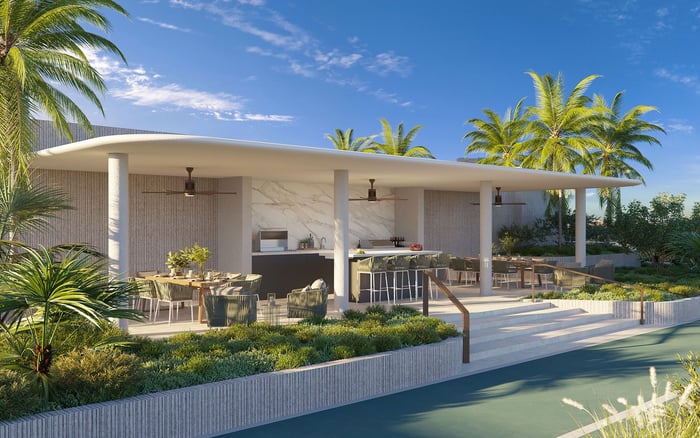
Ask whether any amenity podium places pools, planters, or water features over occupied space. If so, the waterproofing review should extend beyond a purchaser’s private balcony to those assemblies.
If redundant waterproofing is specified, treat it as design intent-not independent proof of installation quality, completed testing, or leak-free performance. Request the corresponding details, testing records, access provisions, and maintenance responsibilities. Ask how any shared-infrastructure obligations would be allocated among the relevant ownership entities.
Retain an independent building-envelope consultant to assess the proposed unit and relevant common elements to the extent access and construction progress allow. The scope should address representative windows, balcony doors, terraces, and any areas beneath pools or planters. Have the consultant state what was inspected and what remains inaccessible or incomplete.
Alongside that technical review, request written disclosure of water-intrusion allegations, investigations, and claims. Ask for the affected building or area, the asserted cause, the status of any investigation, and documentation of corrective work and follow-up testing where applicable. These are diligence requests, not assertions that such events have occurred.
This review does not verify any project-specific wind-driven-rain claim. That limitation should not replace a direct written inquiry. Disputes involving neighboring associations or unrelated luxury towers should not be treated as evidence against this development.
Keep allegations, findings, repair proposals, and completed repairs distinct throughout the review.
Ask an insurance adviser to examine wind-driven-rain, flood, storm-surge, and construction-defect provisions separately, including relevant exclusions and deductibles. The review should address how the proposed association coverage and the purchaser’s own coverage would respond. A broad reference to storm protection should not be presumed to settle every scenario.
Then have counsel examine the governing documents, purchase agreement, and available warranties. Confirm responsibility for sealant replacement, balcony and podium waterproofing, investigative work, and interior damage. Ask specifically about any shared infrastructure and whether responsibility differs among the developer, association, individual owner, or another entity.
Identify warranty notice deadlines and claim procedures in writing. Clarify who must give notice, which documents must accompany it, and what access is required for inspection or repair.
A purchaser should understand both the potential repair obligation and the route to any recovery. Neither should rest on assumptions about branding.
For buyers also considering St. Regis® Residences Brickell, apply the same document requests without assuming equivalent construction details, warranties, or maintenance arrangements. Compare the clarity of each project’s obligations, rather than make unsupported judgments about relative defect risk.
The same discipline applies when evaluating The Residences at 1428 Brickell. Keep design specifications, completed tests, outstanding work, insurance terms, and cost allocation in separate columns of the buyer’s review.
Before proceeding, ask the consultant and counsel to identify unresolved questions, documents still due, and contractual options for addressing them. The most useful outcome is not a promise of zero risk. It is a precise understanding of the residence’s documented protections and the obligations that accompany ownership.
For a discreet perspective on South Florida residential opportunities, explore MILLION.
If branded residences are on your mind — as a home or as an allocation — we would be glad to share what we are seeing, privately.
Begin a quiet conversationNo. This is a prospective review for a new-construction purchase, focused on specifications, testing, future maintenance, and contractual obligations.
This review does not establish a project-specific interval. Request the product specifications, expected service life, and written maintenance guidance.
Request joint details, product specifications, installation dates, adhesion-test results, replacement-access plans, and written maintenance responsibilities.
Ask for approved and available as-built details covering membranes, drainage, overflows, thresholds, and penetrations. Request available testing records and unresolved punch lists as well.
If pools, planters, or water features sit over occupied space, the review should address those waterproofing assemblies. Confirm the configuration and maintenance obligations in the project documents.
No. If specified, it describes design intent rather than independent confirmation of installation quality, completed testing, or future performance.
This review does not verify any project-specific claim. Buyers should still request written disclosures of water-intrusion allegations, investigations, and claims.
Reconcile the address in the purchase documents with the parcel and permit or process number. Confirm the building, phase, and scope covered by each record.
Have an insurance adviser review wind-driven-rain, flood, storm-surge, and construction-defect provisions, including exclusions and applicable deductibles.
Counsel should examine governing documents, the purchase agreement, and available warranties to clarify responsibility, shared-infrastructure obligations, and notice deadlines.