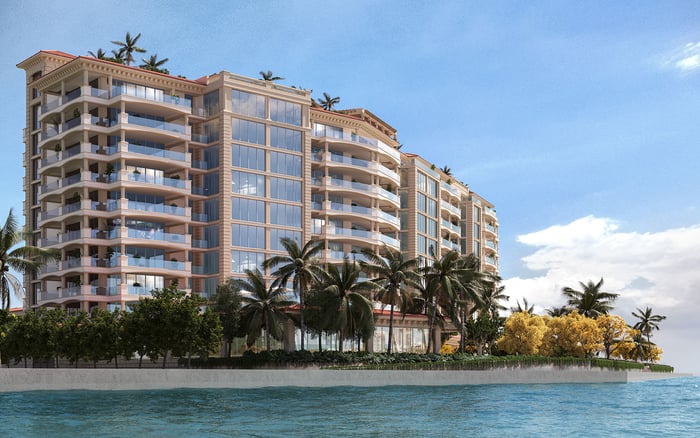
A Fisher Island acquisition should fit the family's estate plan as carefully as its lifestyle. Washington, D.C. buyers should coordinate Florida homestead analysis, deed vesting, insurance and succession documents before closing.
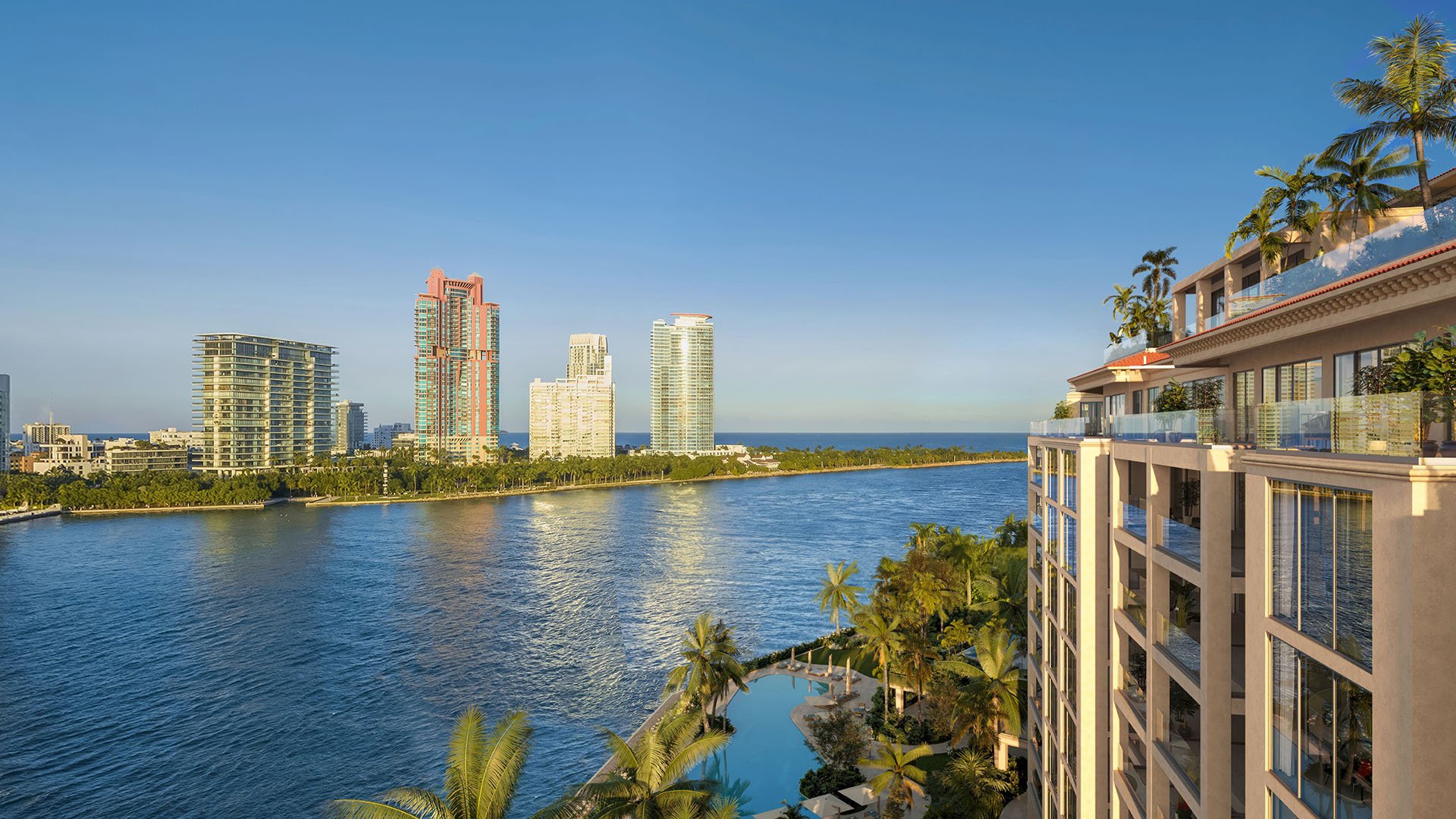
Establishing a Fisher Island base from Washington, D.C. is more than a change of setting. The residence should fit how the family intends to live, how ownership will be shared and how the property should pass to the next generation. Those decisions deserve attention before deed language becomes a closing-day detail.
For a buyer considering Palazzo del Sol Fisher Island, the first question is not simply whose name belongs on the contract. It is whether the home will serve as a permanent residence or a seasonal retreat, who should control it during incapacity, and who should receive it at death. The answers should guide a coordinated discussion among existing D.C. advisers, Florida counsel and the insurance adviser.
That coordination is a planning recommendation, not a universal requirement to replace an existing estate plan. Marital status, minor children, financing and ownership structure can change the appropriate approach.
Florida homestead is not a single benefit activated by purchasing a residence. It has distinct legal dimensions: property-tax benefits, protection from many creditors, and restrictions on transfers at death. An ownership arrangement should be evaluated separately for each purpose, not assumed to satisfy all three.
For the property-tax exemption, a Fisher Island address alone is not enough. Eligibility depends on qualifying ownership and permanent-residence requirements. Buyers who plan to divide time between Washington and South Florida should have advisers assess the intended use rather than build the acquisition budget around an assumed exemption.
Co-ownership also deserves attention. Qualifying title may be held by the entireties, jointly or in common, but apportionment rules and special treatment for certain ownership forms can affect the exemption. Title and tax eligibility should therefore be discussed together; an anticipated tax result should not be the sole reason to select a deed form.
Nor should a Florida purchase be treated as resolving D.C. domicile or estate-tax questions. Ask the advisers responsible for those matters to examine them separately.
An existing revocable trust may remain useful, but it does not bypass Florida homestead restrictions. Florida's treatment of a homestead devise includes dispositions through specified trusts. Placing the residence in a trust does not, by itself, create unrestricted freedom to choose the recipient at death.
Florida generally prohibits devising homestead when the owner is survived by a spouse or minor child. The principal exception allows a devise to the spouse if there is no minor child. For families with children from different relationships, or with a trust designed to divide assets among several beneficiaries, that rule warrants particular care.
An invalid trust disposition has substantive consequences. If the homestead devise violates the constitutional restrictions, title passes under Florida's statutory descent rules rather than the intended trust distribution.
Before using a D.C. trust to acquire a residence at Palazzo della Luna Fisher Island, ask Florida counsel to review the trust alongside the family circumstances and proposed deed. The review should yield a clear explanation of who receives the property under the proposed plan and whether that result matches the family's intentions.
Deed vesting determines how ownership is held. It is not administrative wording to be selected independently of the will or trust.
Except for estates by the entirety, Florida generally treats a conveyance to multiple people as a tenancy in common unless the instrument expressly provides survivorship rights. Putting two names on a deed is therefore not the same as expressly creating survivorship ownership.
Tenancy by the entirety carries survivorship: the surviving spouse succeeds to the deceased spouse's interest by operation of law. That makes it materially different from tenancy in common. More broadly, survivorship ownership can determine the recipient at death independently of distributions intended in a will or trust.
Ask counsel to compare the proposed deed with the estate plan using concrete family scenarios. What happens at the first death? Does the surviving owner receive the interest automatically? Does that outcome match the intended treatment of children or other beneficiaries? The objective is alignment, not a universally preferred ownership form.
Insurance deserves its own pre-closing review. Buyers should not assume that a standard property policy includes flood insurance. Flood protection requires separate attention, even when other property coverage has already been discussed.
For a prospective purchase at The Residences at Six Fisher Island, ask the insurance adviser to explain the coverage applicable to the particular residence, proposed ownership and intended occupancy. Request clarity on exclusions, deductibles and any proposed separate flood coverage. These are questions for review, not statements about that project's policies.
Do not assume an insurer's flood timetable applies to every purchase. Requirements can depend on policy category, exceptions and special-flood-hazard-area considerations. A general phase-in deadline is no substitute for checking the policy under consideration.
Similarly, statewide legal principles do not establish a particular building's insurance terms, assessments, transfer restrictions or approval procedures. Have the transaction team obtain and review the relevant property documents rather than infer those details from the address.
The succession review should extend beyond the trust's distribution paragraph. Consider assembling the current will, trust and amendments, proposed deed, powers of attorney and health-care documents for coordinated adviser review. The purpose is to identify conflicts and determine whether updates are appropriate-not to assume every D.C. document must be rewritten.
For an acquisition at The Links Estates at Fisher Island, the same family-level questions apply: who is intended to manage ownership matters during incapacity, who succeeds to the property, and where can the responsible people find the documents? Ask counsel to confirm document suitability and any applicable execution requirements.
A concise ownership summary can help the family track the agreed plan. It should identify the title holder, intended succession outcome, responsible advisers and location of signed documents. Treat it as an organizational aid, not a substitute for the governing instruments.
Before closing, aim to have the intended use, trust provisions, deed vesting and insurance arrangements reviewed together. Ask advisers to flag unresolved issues rather than let separate workstreams produce conflicting assumptions.
After acquisition, consider revisiting the plan when family circumstances or intended occupancy change. The enduring objective is straightforward: a South Florida home whose ownership and succession arrangements are as carefully considered as the residence itself.
Explore Fisher Island residences with MILLION while your advisers coordinate the ownership plan.
If branded residences are on your mind — as a home or as an allocation — we would be glad to share what we are seeing, privately.
Begin a quiet conversationNo. Eligibility depends on qualifying ownership and permanent-residence requirements, not simply purchasing the property.
No. Property-tax benefits, protection from many creditors and restrictions on transfers at death are distinct legal dimensions that should be assessed separately.
Florida counsel should review the trust before it is used to hold Florida homestead. Trust ownership does not remove Florida's restrictions on dispositions at death.
Florida generally prohibits devising homestead when the owner is survived by a spouse or minor child. It may be devised to the spouse if there is no minor child.
Title passes at death under Florida's statutory descent rules rather than the intended trust distribution.
Not generally. Except for estates by the entirety, Florida generally treats multiple owners as tenants in common unless the instrument expressly provides survivorship rights.
Survivorship ownership can determine who receives the property independently of intended will or trust distributions. The deed and estate plan should be reviewed together.
No. Buyers should review flood protection separately and have an insurance adviser confirm the coverage and requirements applicable to the proposed policy.
A blanket replacement should not be assumed. Ask counsel to review existing documents for suitability and determine whether updates are appropriate.
No. Property-specific transfer restrictions, approval procedures, assessments and insurance terms should be reviewed through the relevant transaction documents.