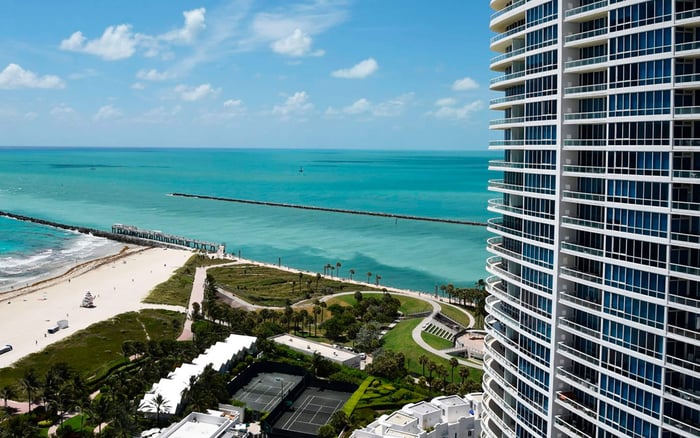
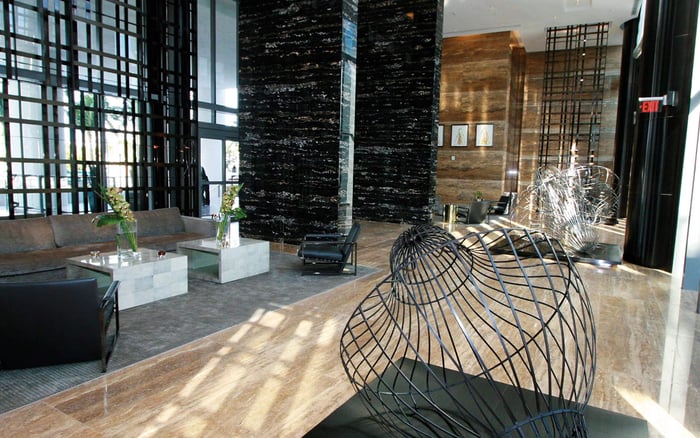
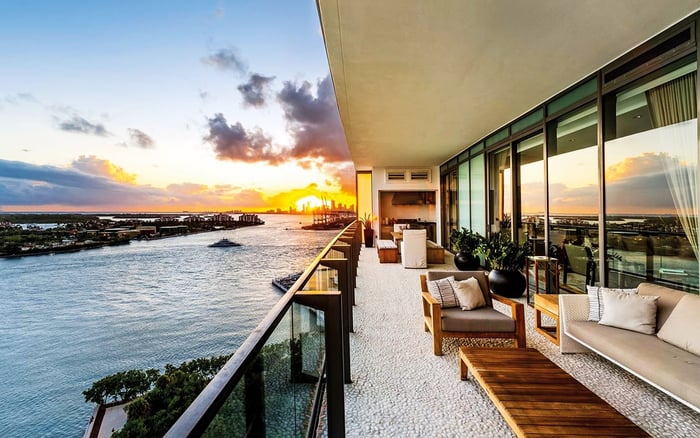
A buyer-focused comparison of Continuum on South Beach and the Apogee project referenced in the research, with close attention to elevator privacy, resident culture, location context, and the resale implications of a pure residential versus hotel-linked identity.
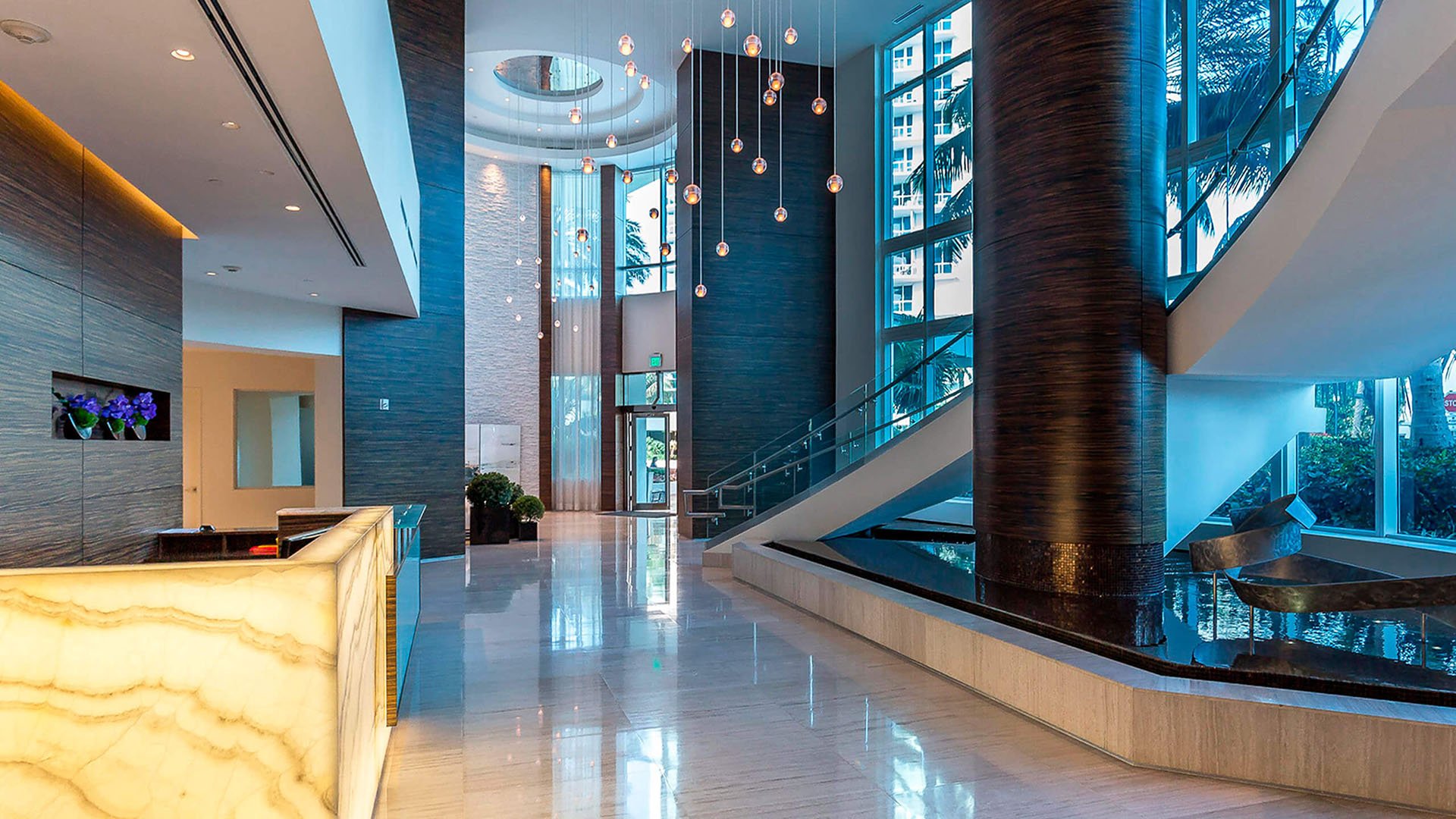
For a South Florida purchaser weighing elevator privacy, resident culture, and resale durability, this comparison carries an important nuance from the outset: Continuum on South Beach is clearly positioned in South of Fifth at 1 South Pointe Drive, while the Apogee referenced in the underlying brief is identified at 1000 Biscayne Boulevard in Miami rather than on South Beach. That distinction matters because Miami Beach and mainland Miami do not operate on the same buyer psychology, daily lifestyle, or comp set.
Even so, the contrast remains useful. It underscores the difference between a pure residential oceanfront address and a hospitality-linked residential concept. In ultra-prime real estate, that distinction often shapes not only how a property lives day to day, but also how it is perceived years later when an owner returns to market.
Within the South of Fifth conversation, Continuum on South Beach remains one of the clearest expressions of a private, established residential compound. By contrast, the Apogee concept described in the brief appears to speak more directly to buyers who welcome a service-rich, hotel-adjacent environment, even if that creates a different resale narrative.
At the very top of the market, elevator design reveals a great deal about a building’s priorities. Continuum is presented as offering direct private elevator access for upper-tier residences and penthouses, paired with residential circulation separated from public or hotel-oriented movement through the property. That creates a meaningful distinction between privacy as marketing language and privacy as a lived condition.
For many owners, the true luxury is not simply arriving privately into a residence. It is moving through the building with minimal friction, minimal visibility, and minimal overlap with non-residential traffic. Continuum appears to understand that point well. Its private residential corridors and conventional condominium organization suggest a building calibrated for owners first.
The Apogee project in the brief is also described as having dedicated elevator systems with key-card-controlled access, so this is not a case of one tower offering privacy and the other offering none. The difference is subtler. Apogee’s system reads as secure and exclusive, while Continuum reads as more comprehensively insulated from hospitality circulation. For a buyer who values discretion above all, that distinction is material.
This privacy-first philosophy is increasingly influential across the wider luxury landscape. Newer projects such as The Perigon Miami Beach and Faena House Miami Beach have also elevated arrival sequence, controlled circulation, and low-friction owner access because today’s premium buyer expects privacy to be embedded into the architecture rather than added as a service layer.
Buildings create their own social climate. Continuum’s culture is framed as more owner-occupant and long-term-investor oriented, with a club-like residential lifestyle centered on beach access, fitness, concierge-style services, and the settled rhythm of a mature luxury condominium. That matters because resident culture often reveals itself in subtle ways: how lobbies feel at midday, how often neighbors know one another, how heavily amenities are used by actual residents, and whether the building feels anchored by repeat ownership.
Continuum’s appeal, in that sense, is not theatrical. It is composed, polished, and residential in the classic South of Fifth manner. Buyers who want Miami Beach glamour without a strong hotel overlay tend to recognize the value of that balance.
The Apogee profile in the research pack suggests a different atmosphere. It is described as more service-heavy and hospitality-minded, with a more transient component in shared spaces because of its hotel-plus-residences structure. That can be deeply attractive to a certain buyer. Some owners prefer a building that feels operationally animated, highly staffed, and hospitality-forward. Yet the trade-off is that a hotel-adjacent identity may not feel as insulated or as settled as a pure residential tower.
This is precisely why buyer fit matters more than broad prestige. A resident who wants a serene, owner-dominant environment may gravitate to Continuum or to similarly residentially legible addresses like 57 Ocean Miami Beach. A resident who prioritizes branded service intensity may be more comfortable in a hospitality-coded setting. Neither instinct is wrong, but they lead to very different ownership experiences.
The title suggests a South Beach versus South Beach decision, but the brief itself points elsewhere for Apogee. Once one project is in South Pointe and the other is associated with Biscayne Boulevard in Miami, the comparison stops being purely architectural. It becomes geographic and behavioral.
South Pointe buyers are often paying for a very specific blend of beachfront immediacy, walkable refinement, and a recognizable South of Fifth social ecosystem. Mainland waterfront buyers may be seeking skyline drama, hotel service integration, or a different relationship to Downtown, Edgewater, and Midtown. These are not interchangeable propositions.
That mismatch matters on resale because future buyers will not evaluate the two through an identical lens. The purchaser shopping South of Fifth generally understands that neighborhood as a distinct luxury submarket with its own expectations around privacy, beach access, and residential continuity. The buyer considering an urban Miami address may be equally affluent, but not necessarily motivated by the same priorities.
For readers comparing adjacent product types rather than exact peer buildings, it can be helpful to look at how neighboring markets are framing privacy and identity today. In Edgewater, Aria Reserve Miami shows how waterfront luxury is being sold through scale, views, and amenity ecosystems, while Miami Beach products continue to trade strongly on emotional location advantage and residential intimacy.
When evaluating resale in the ultra-luxury segment, buyers tend to overfocus on finishes and underfocus on narrative clarity. Continuum benefits from a longer secondary-market history, more established resale patterns, and a cleaner message: prime South Beach, beachfront, private, residential, and proven. That kind of positioning tends to age well because it is easy for the next buyer to understand quickly.
The building also appears to benefit from longer hold patterns and an owner base that includes international ultra-high-net-worth purchasers and trophy-asset buyers. Sustained tenure can serve as a quiet but meaningful confidence signal. It suggests owners are not simply cycling through the asset for short-term novelty.
Apogee, as described in the research, has fewer long-term resale comparables and a less mature resale market. That does not make it weak. It simply means the buyer has less historical evidence to interpret. Add the hotel-residences framing, and the resale audience can become somewhat narrower, particularly among purchasers who want a pure real-estate story rather than a hybrid lifestyle proposition.
This is where South Florida’s best-performing luxury assets tend to separate. The market often rewards buildings that can be explained in one elegant sentence. Continuum can. So can highly legible products such as The Ritz-Carlton Residences® South Beach when the branding, location, and use case align cleanly. By contrast, hybrid concepts may be compelling in the present moment but can require more explanation at resale.
Choose Continuum if your priorities are discreet arrival, residential consistency, beachside South of Fifth prestige, and the comfort of a market-tested resale identity. It reads as the more privacy-forward product and the more purely residential one.
Choose the Apogee concept described in this brief if your priorities lean toward hotel-style service infrastructure, dedicated secure elevator systems, and a lifestyle that embraces a more hospitality-oriented setting. For some owners, that is not a compromise. It is the point.
For the specific lens of elevator privacy, resident culture, and long-term resale signal, however, Continuum is the clearer answer. Its value proposition is more coherent, its day-to-day privacy appears stronger, and its resale story is easier for the market to carry forward.
Is Continuum on South Beach more private than Apogee in this comparison? Yes. Both are presented as secure, but Continuum reads as more fully separated from public or hospitality circulation.
Why is the comparison not perfectly direct? Because the Apogee referenced in the brief is identified in Miami rather than on South Beach, which changes buyer overlap and comparables.
What makes elevator privacy so important in ultra-luxury condos? It shapes the daily experience. The best systems reduce visibility, interruptions, and shared traffic from arrival to residence.
How would you describe Continuum’s resident culture? It reads as owner-oriented, established, and club-like, with a more traditional luxury condominium atmosphere.
How is Apogee’s culture described here? As more service-heavy and hospitality-minded, with a stronger hotel-adjacent feel in shared spaces.
Which property has the stronger resale signal? Continuum appears to, largely because it has a longer and more established secondary-market history.
Does a hotel-residences model hurt resale? Not inherently, but it can narrow the buyer pool compared with a pure residential product in a prime beachfront setting.
Why does South of Fifth matter in this discussion? South of Fifth carries its own prestige, walkability, and beachfront identity, which influences both demand and resale positioning.
Is this really a Miami Beach versus Edgewater style comparison? In practical terms, yes. The brief points to different submarkets, so the analysis includes both product type and geography.
What is the cleanest takeaway for a buyer? If privacy, residential consistency, and resale clarity are the priority, Continuum is the more convincing fit.
For a discreet conversation and a curated building-by-building shortlist, connect with MILLION Luxury.
If branded residences are on your mind — as a home or as an allocation — we would be glad to share what we are seeing, privately.
Begin a quiet conversation