A buyer-focused look at why terrace drainage matters for lock-and-leave ownership at Continuum Club & Residences North Bay Village, especially in a Biscayne Bay waterfront setting shaped by rain, wind, outdoor living, and absentee ownership.
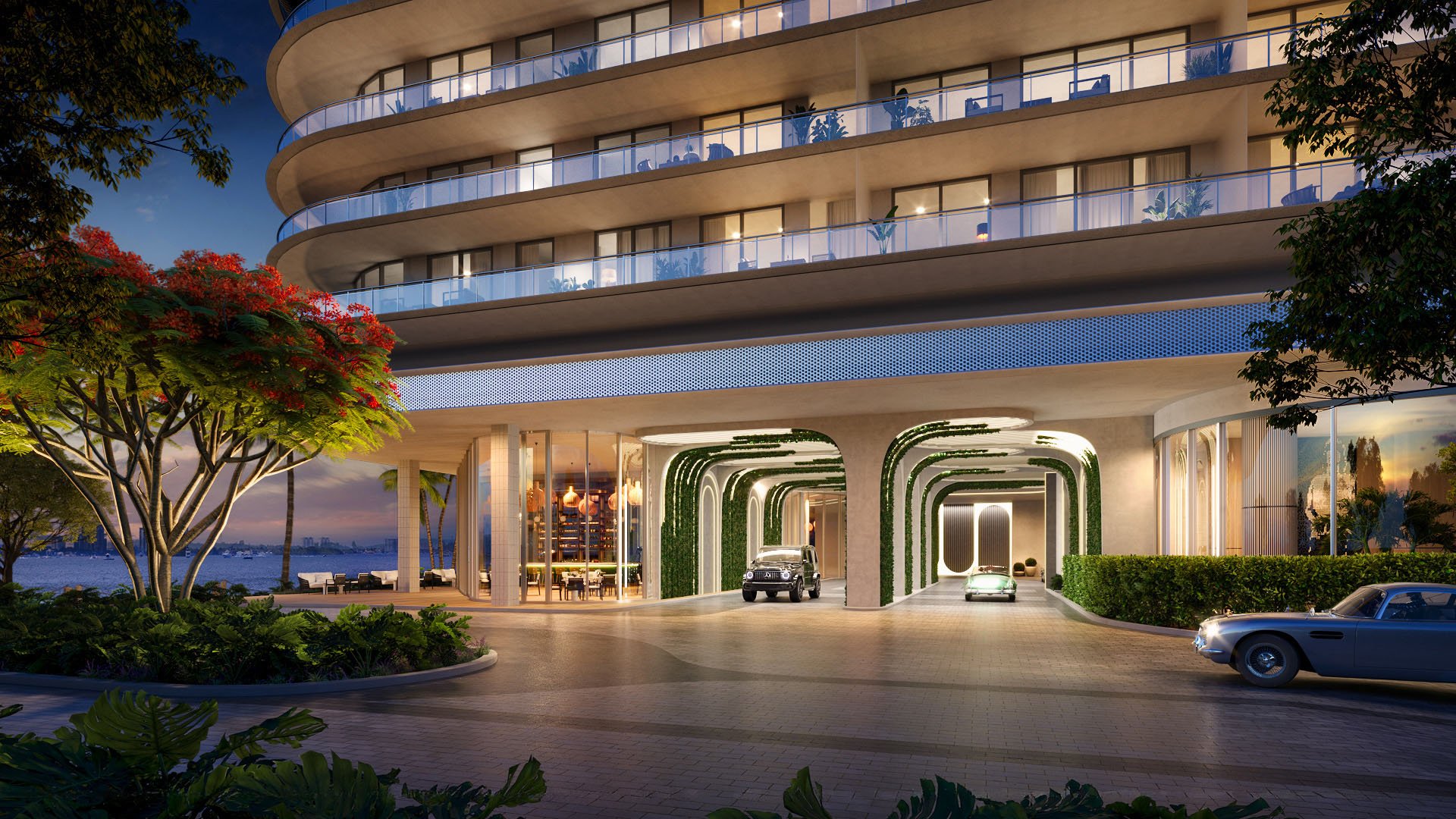
Continuum Club & Residences North Bay Village sits in a market where outdoor space is not an accessory. In North Bay Village, the terrace is often the emotional center of the purchase: a place for morning water views, late dinners, planted edges, lounge furniture, and the quiet pleasure of Biscayne Bay air. For a certain buyer, however, the defining question is not simply how the terrace presents on a blue-sky afternoon. It is how the terrace performs when the owner is away.
That is the lock-and-leave question behind terrace drainage. This is not a claim that Continuum Club & Residences North Bay Village has a drainage defect. It is a more sophisticated ownership issue: before treating any waterfront terrace as a low-maintenance outdoor room, buyers should understand how water is intended to leave the space, how drains are maintained, and what happens when storms, wind-driven rain, irrigation runoff, or debris arrive during an absence.
For the second-home buyer, that distinction matters. A residence may be used intensely for part of the season, then left vacant for weeks or months. During that time, the owner is not present to move furniture, clear leaves, notice ponding, or flag a slow drain. A terrace that feels effortless must be supported by systems that remain convincing when nobody is watching.
In older buying conversations, balconies were often treated as simple extensions of the interior. In today’s waterfront condominium market, larger terraces increasingly function as outdoor rooms. They may hold sculptural furniture, planters, landscaping, dining areas, shade elements, outdoor kitchens, or even water features in some luxury settings. The deeper and more furnished the terrace becomes, the more drainage moves from background infrastructure to asset protection.
Terrace performance touches several buyer priorities at once. It helps protect interior finishes from water intrusion. It supports the long-term condition of exterior surfaces. It affects insurability, maintenance exposure, and peace of mind. It also shapes how confidently an owner can use the terrace without treating it as a delicate space that requires daily supervision.
For a waterview residence, the same conditions that create the appeal also raise the stakes. Open exposure, coastal weather, and wind-driven water are part of the Biscayne Bay setting. A luxury terrace should be assessed not only for its view corridor and depth, but also for slope, collection points, drainage redundancy, and maintenance access. The most elegant terrace is the one that remains practical after the weather turns.
The central buyer question is simple: can the private terrace shed and manage water reliably without daily owner intervention? The answer depends on design, execution, and operations.
Buyers should ask whether drains are redundant. A single drainage path may be more vulnerable if debris collects at one point. Redundancy does not eliminate maintenance, but it can reduce dependence on one opening or one route for water removal. Buyers should also ask whether drains are accessible. A drain hidden under furniture, behind planters, or beneath decorative elements may be less practical when quick clearing is needed.
Another important question is how the terrace is protected from common clog sources. Leaves, soil, sand, mulch, and wind-blown debris can accumulate quietly. Planters can shed organic matter. Landscaping can change runoff behavior. Furniture can redirect water or trap debris. If an outdoor kitchen or other terrace feature is present, buyers should understand whether it changes drainage flow or creates areas where water may collect.
The conversation should be precise rather than alarmist. A terrace does not need to be treated as a problem to be examined. It should be treated as a working component of a luxury residence, just like glazing, mechanical systems, elevators, waterproofing, and access control. A new-construction buyer who asks these questions early is not being difficult. They are testing whether the promise of a low-friction lifestyle is supported by the details.
The lock-and-leave ownership model depends on more than initial design. Building operations play a decisive role. If owners are absent, the practical question becomes: who notices, who checks, and who responds?
For buyers considering Continuum Club & Residences North Bay Village, the due-diligence conversation should include inspection routines and maintenance response. How are terrace drains observed? Are common sources of blockage addressed before heavy weather? What is the process if an owner is away and a terrace concern is identified? Are there clear procedures for access, communication, and follow-up?
These questions do not diminish the luxury proposition. They define it. In a true lock-and-leave environment, service is not only valet, wellness, or hospitality language. It is also the quiet competence of preventive maintenance. The most reassuring building culture is one where invisible systems receive the same seriousness as visible amenities.
This is especially relevant in North Bay Village, where waterfront living is central to the appeal. The buyer is not only purchasing interior square footage. They are buying an experience of water, light, weather, and outdoor continuity. That experience is strongest when the terrace can be enjoyed as an extension of the home without becoming a management burden.
A private showing can reveal more than finishes. Buyers should stand on the terrace and read it carefully. Where would water naturally travel? Are there low spots? Are drains visible or concealed? Would a large planter block access? Could furniture placement create a maintenance issue? Does the terrace layout encourage outdoor living while still preserving clear drainage paths?
The point is not to become an engineer during a tour. It is to ask the right questions before emotion takes over. Luxury buyers are accustomed to evaluating ceiling heights, views, kitchens, closets, and arrival sequences. Terrace drainage deserves the same level of attention because it governs how the outdoor room performs in real life.
A terrace is also dynamic. The way it performs empty may differ from how it performs after an owner adds furnishings, planting, and decorative pieces. Buyers should think beyond the model-residence moment. A beautiful installation can become less practical if it covers drains, sheds soil, or creates water traps. The best outdoor design respects the path of water rather than fighting it.
Effortless ownership is one of the most powerful promises in South Florida luxury real estate. Yet effortless should never mean unexamined. It should mean that the underlying systems have been thoughtfully designed, maintained, and communicated.
At Continuum Club & Residences North Bay Village, the terrace-drainage question is a useful lens because it connects lifestyle and infrastructure. It asks whether a waterfront outdoor room can be enjoyed with confidence by an owner who may not be present every day. It also asks whether building operations support that confidence when weather arrives unexpectedly.
For the right buyer, this kind of due diligence is not a technical distraction. It is part of protecting the asset, the interior, the view experience, and the quiet pleasure of returning to a home exactly as expected. In that sense, drainage is not a minor detail. It is one of the systems that allows luxury to feel calm.
Is this article saying Continuum Club & Residences North Bay Village has a terrace drainage problem? No. This is a buyer due-diligence discussion about terrace drainage and lock-and-leave ownership, not a reported defect claim.
Why does terrace drainage matter more for lock-and-leave owners? Owners may be away during heavy rain, irrigation runoff, or wind-driven water, so the terrace must perform without daily attention.
What is the main drainage question buyers should ask? Buyers should ask whether the private terrace can shed and manage water reliably when the residence is unattended.
Why are waterfront terraces different from small balconies? Luxury terraces often function as outdoor rooms, with more furniture, planting, and layout complexity than a compact balcony.
Can planters affect terrace drainage? Yes. Planters can add soil, leaves, runoff, and maintenance needs that may affect how water moves across a terrace.
Should buyers ask about redundant drains? Yes. Redundant drainage can reduce reliance on a single point and is a practical topic for buyer review.
Why does maintenance access matter? Drains that are difficult to reach can be harder to clear quickly, especially when furniture or landscaping is in place.
How do building operations affect the lock-and-leave experience? Inspection routines, maintenance response, and communication procedures help support owners who are away from the residence.
Is terrace drainage only a technical issue? No. It affects asset preservation, interior protection, insurability, usability, and owner peace of mind.
What should buyers remember before relying on a terrace as an outdoor room? The terrace should be evaluated for both lifestyle appeal and practical water management under real waterfront conditions.
For a tailored shortlist and next-step guidance, connect with MILLION.
If branded residences are on your mind — as a home or as an allocation — we would be glad to share what we are seeing, privately.
Begin a quiet conversation