A discreet buyer’s guide to the financing-contingency questions that matter before committing to luxury real estate in Hillsboro Beach, from deadlines and appraisal language to deposit exposure and developer-contract risk.
In Hillsboro Beach, a financing contingency can look deceptively simple. It may appear as a brief contract clause, a familiar checkbox, or a standard addendum. For a luxury buyer, however, that language can determine whether a purchase remains strategically protected or becomes an obligation with limited practical exit.
The issue is not whether a buyer can obtain financing in a general sense. It is whether the specific contract gives the buyer enough time, flexibility, and documented protection if the loan does not close on acceptable terms. A high-net-worth purchaser may have multiple lending paths, from private banking to portfolio lending, but even sophisticated financing can be vulnerable to timing, appraisal, underwriting, liquidity verification, and collateral review.
This belongs in the Buyer's Guides category of due diligence because it affects far more than paperwork. It touches investment strategy, waterfront optionality, oceanfront lifestyle planning, and the way a buyer evaluates Hillsboro Beach risk before a deposit becomes difficult to recover.
The first question is direct: what exactly must happen for the financing contingency to protect the buyer? Some clauses protect only a narrow failure to obtain loan approval. Others require the buyer to apply promptly, cooperate fully, and deliver a written denial within a defined period. In a luxury transaction, the distinction can be significant.
A buyer should ask whether the contingency is based on loan approval, final underwriting, satisfactory loan terms, or the actual ability to close. If the clause only addresses approval, it may not protect against a later change in underwriting conditions, an appraisal shortfall, or a liquidity timing issue. If the clause excludes certain lender requirements, the buyer may carry more risk than expected.
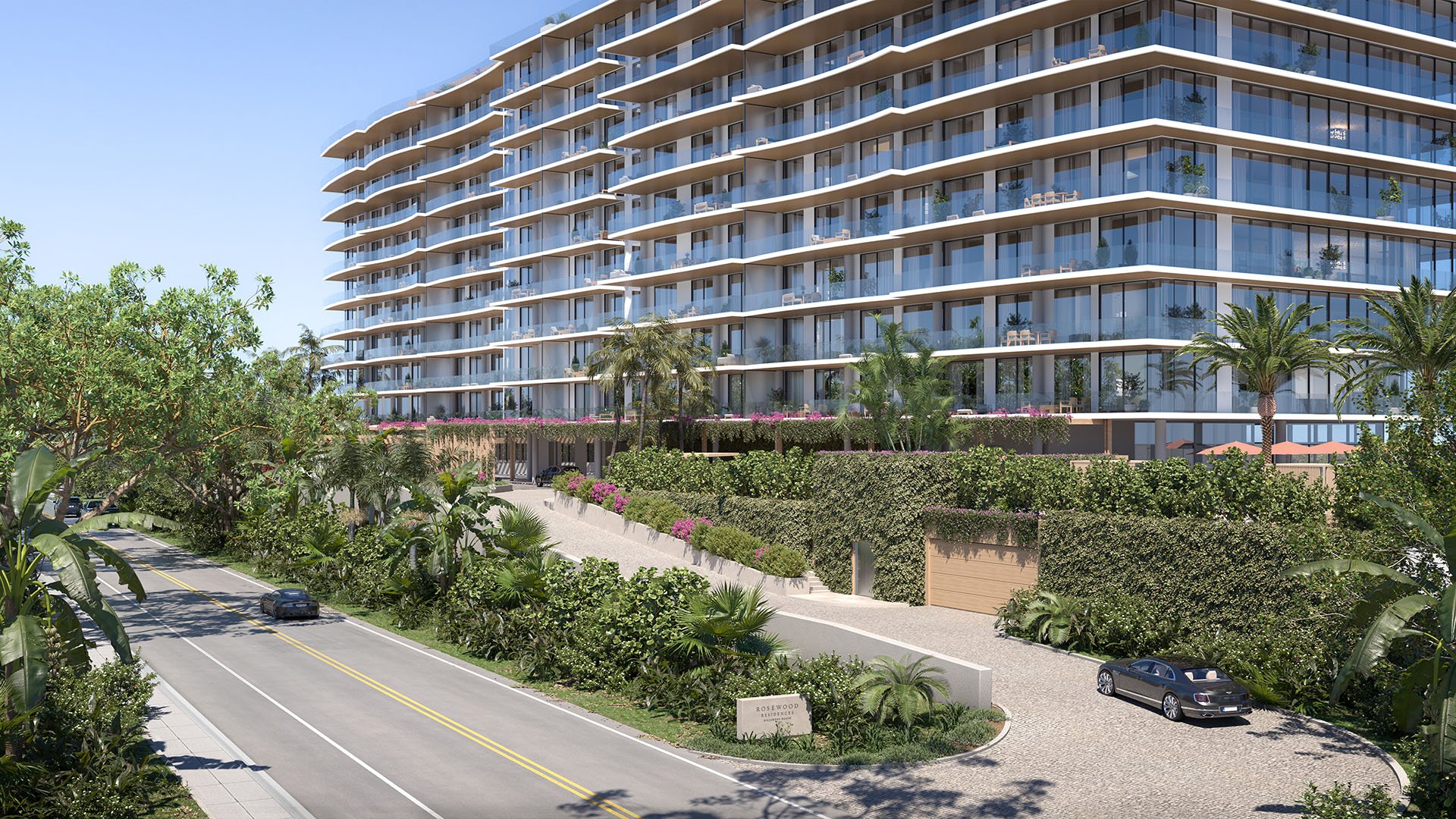
This is especially important when considering signature residential offerings such as Rosewood Residences Hillsboro Beach, where a buyer may be balancing lifestyle motivation with contract discipline. The stronger question is not simply, “Is there a financing contingency?” It is, “What event actually allows me to cancel and recover my deposit?”
Financing-contingency deadlines are often shorter than buyers assume. The contract may require loan application by one date, approval by another, and notice of cancellation by a third. Missing any deadline can weaken or eliminate the protection.
Before signing, ask for a timeline that identifies the contract date, deposit dates, loan-application deadline, financing-contingency expiration, appraisal timing, loan-commitment requirements, and closing date. Luxury buyers should also ask whether weekends, holidays, association review periods, or developer approval processes affect those deadlines.
The practical question is whether the lender can realistically complete its review within the contractual period. If the buyer uses complex income structures, pledged assets, international funds, trust ownership, or entity purchasing, the review may require more documentation and coordination. The contract should reflect that complexity before the buyer is bound.
The most expensive misunderstanding is often deposit risk. A financing contingency may provide a path to recover deposits, but only if the buyer follows the contract precisely. Ask how much deposit is at risk, when it becomes non-refundable or harder to recover, and what written notice must be delivered if financing is denied or not approved in time.
Buyers should confirm whether a lender denial letter is required, whether the denial must be unconditional, and whether the seller or developer can challenge the buyer’s efforts. A clause requiring “good faith” pursuit of financing may invite dispute if the buyer changes lenders, delays documents, or rejects terms the seller considers commercially available.
In nearby coastal markets, buyers comparing Armani Casa Residences Pompano Beach or The Ritz-Carlton Residences® Pompano Beach should not assume that contract language travels from one opportunity to another. Two properties can feel similar in lifestyle terms while carrying very different financing-contingency mechanics.
In luxury real estate, appraisal language deserves its own conversation. A buyer may receive loan approval, yet the lender may lend less than expected if the valuation does not support the purchase price. The contract should make clear whether an appraisal gap is protected, ignored, or treated as the buyer’s responsibility.
The key questions are straightforward. If the appraisal is below the contract price, can the buyer cancel? Must the buyer increase cash to close? Does the financing contingency specify a minimum loan amount, loan-to-value threshold, interest rate, or other acceptable terms? If not, the buyer may be approved for a loan that is technically available but economically different from the intended structure.
For a buyer choosing between Hillsboro Beach and a broader Fort Lauderdale Beach lifestyle, appraisal treatment should be compared as carefully as views, amenities, and service culture. The contract, not the brochure, controls the risk.
A loan commitment is not always the same as a fully cleared path to closing. It may include conditions related to insurance, title, condominium documentation, entity structure, liquidity reserves, asset seasoning, or final credit review. A buyer should ask whether the financing contingency expires upon receipt of conditional approval or only when conditions have been satisfied.
If the contingency expires while major conditions remain open, the buyer may lose protection before the lender is truly ready. This is a particular concern when the purchase involves a condominium, a newly completed residence, or a property with specialized insurance considerations. The buyer’s advisory team should identify which conditions are within the buyer’s control and which depend on third parties.
The essential question is, “What unresolved lender conditions could prevent closing after my contingency expires?” That question moves the conversation beyond general optimism and into measurable risk.
New-construction and pre-completion purchases may use contracts that allocate financing risk differently from resale agreements. A buyer should ask whether the developer offers any financing contingency at all, whether deposits are refundable under limited circumstances, and whether the buyer remains obligated even if lending markets or personal credit conditions change before closing.
It is also important to ask how long the buyer is expected to remain bound. If closing depends on future delivery, final approvals, or completion milestones, financing obtained early may not be the same financing available later. The contract should be read for extensions, outside dates, default provisions, and deposit remedies.
A polished sales presentation can make the process feel effortless, but contingency language is where the buyer’s leverage is defined. In the luxury tier, discretion and certainty are prized, yet certainty should not require accepting avoidable ambiguity.
Before buying luxury real estate in Hillsboro Beach, the most valuable financing-contingency question may be this: “If my preferred financing does not close, what choices do I still have?” The answer should be specific. It should identify the deadlines, required notices, documentation standards, deposit consequences, and any gaps between lender approval and contract protection.
A buyer who understands those limitations can negotiate more intelligently. That may mean asking for a longer contingency period, defining acceptable loan terms, adding appraisal protection, coordinating with a lender before the offer is submitted, or deciding to purchase without a financing contingency only after the exposure is fully understood.
Luxury buying rewards clarity. The right residence should feel exceptional, but the contract should feel disciplined.
Is a financing contingency always included in a Hillsboro Beach luxury purchase? No. It must be confirmed in the contract, and in some luxury or developer transactions it may be limited, modified, or excluded.
What is the most important financing-contingency deadline to ask about? Ask when the contingency expires and what must be delivered before that deadline to preserve deposit protection.
Can loan approval still leave me exposed? Yes. Conditional approvals may leave unresolved issues, so ask whether open lender conditions remain after the contingency period ends.
Should appraisal protection be separate from financing protection? It can be. Ask whether a low appraisal permits cancellation or requires the buyer to add more cash to close.
What should I ask about deposit refunds? Ask exactly when deposits become at risk, what notice is required, and what documentation must support a financing cancellation.
Does private banking eliminate the need for a contingency? Not necessarily. Private lending can still involve underwriting, collateral review, timing, and documentation requirements.
Are developer contracts different from resale contracts? They can be. Ask whether financing risk, deposit remedies, and closing obligations are handled differently from a standard resale agreement.
Can I change lenders during the contingency period? Only if the contract allows it or does not restrict it. Ask whether changing lenders affects good-faith obligations or deadlines.
What if I can get financing, but not on acceptable terms? The answer depends on whether the contract defines acceptable loan terms such as amount, rate, or structure.
Who should review the financing-contingency language? A qualified real estate attorney and lending advisor should review it before signing, especially when deposits are substantial.
When you're ready to tour or underwrite the options, connect with MILLION.
If branded residences are on your mind — as a home or as an allocation — we would be glad to share what we are seeing, privately.
Begin a quiet conversation