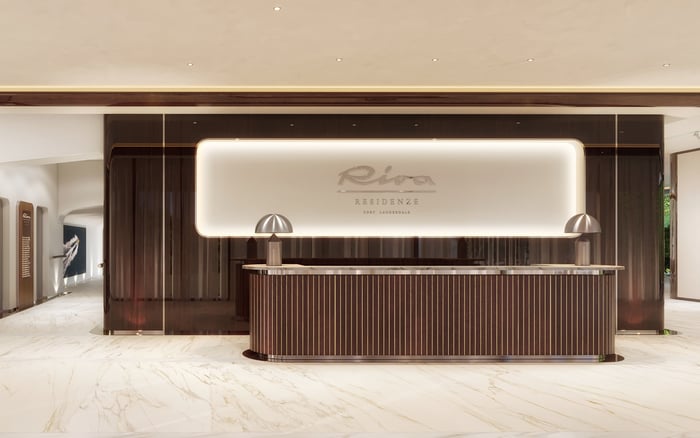
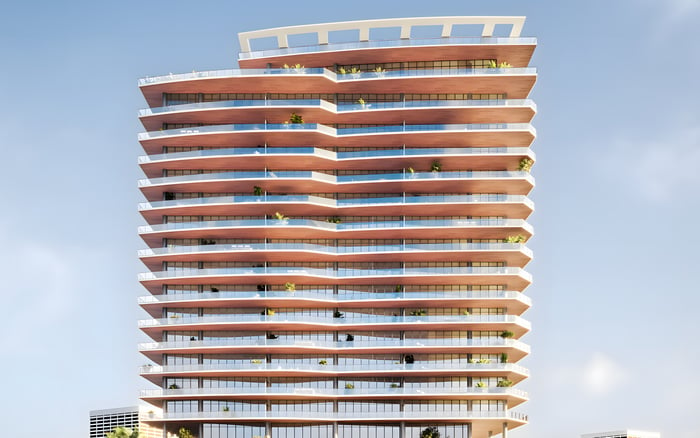
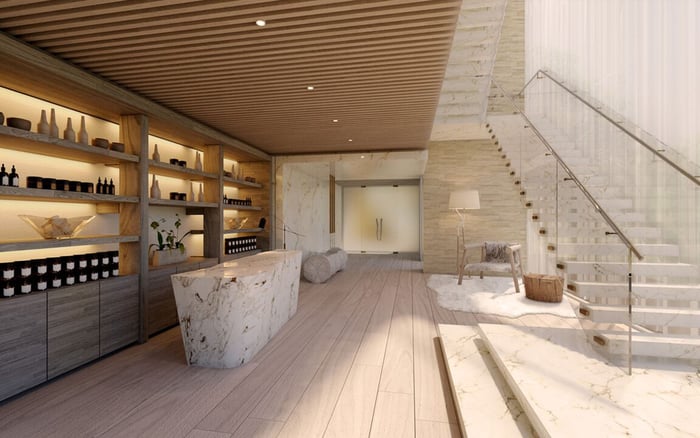
In Fort Lauderdale, Intracoastal frontage is less a view category than a daily lifestyle instrument: boat traffic as theater, cooling breezes, and a sense of privacy that oceanfront can paradoxically lack. Yet not all water frontage reads the same. Orientation, setback, marina adjacency, and the surrounding shoreline rhythm can materially change how a residence feels at 8 a.m., 2 p.m., and well after sunset. With limited project specifics publicly standardized across marketing materials, the smartest comparison between Andare and Riva begins with what sophisticated buyers can control: how each setting is likely to translate into light, sound, access, and long-term livability. This MILLION Luxury editorial frames that decision through the lens of Intracoastal frontage itself, separating romance from the practical realities that influence value and enjoyment.
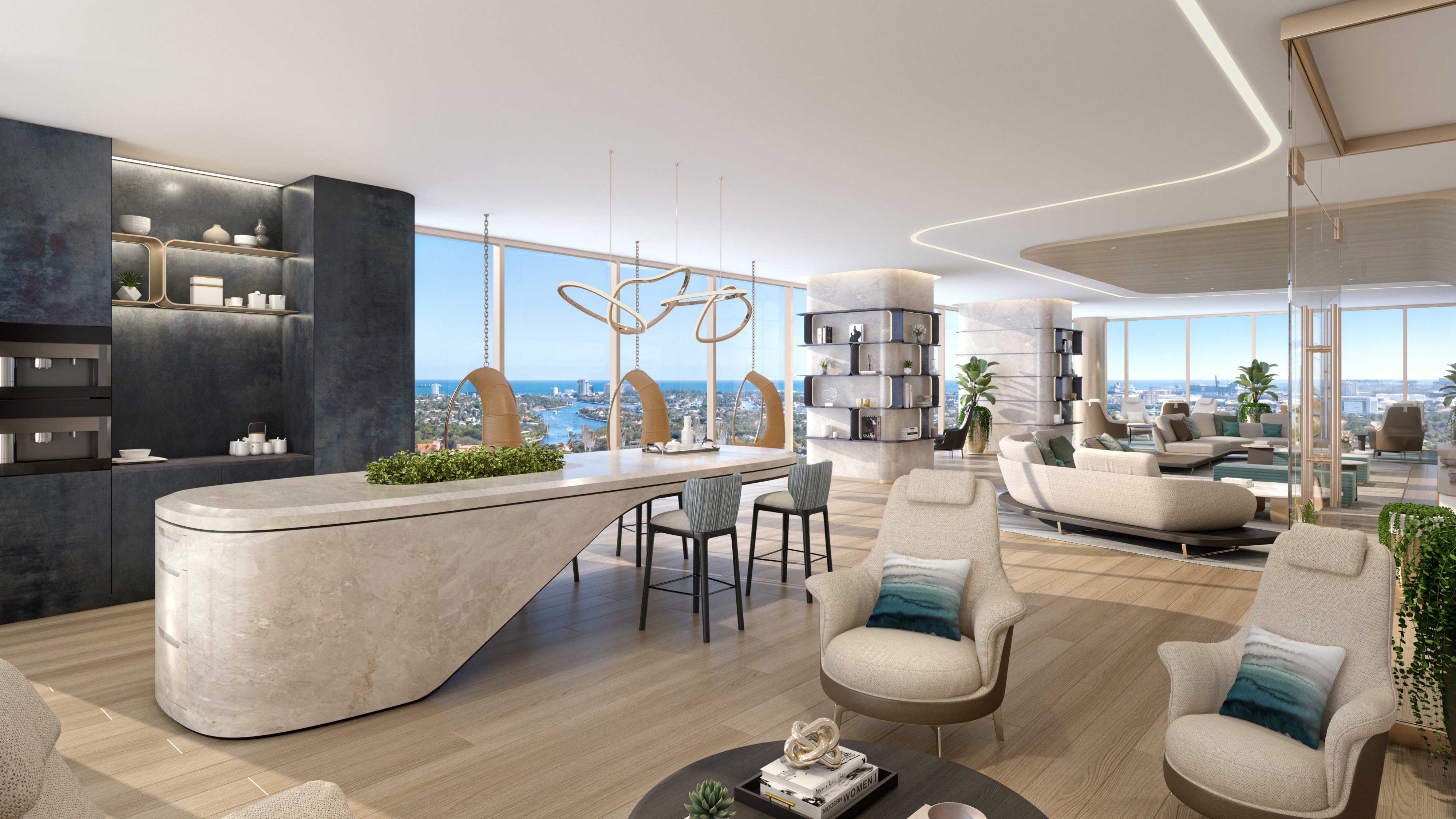
Oceanfront offers a singular promise: horizon and direct beach proximity. Intracoastal frontage, by contrast, delivers a more layered luxury. You trade the open Atlantic for an evolving waterfront panorama and, often, a more protected setting for boating and day-to-day movement. In Fort Lauderdale, that distinction is amplified by the city’s yachting DNA and the way the Intracoastal Waterway stitches together neighborhoods, marinas, and social life.
For buyers comparing Andare Residences Fort Lauderdale and Riva Residenze Fort Lauderdale, the question is less which is “better” and more which frontage experience matches how you actually live: morning quiet versus evening energy, formal entertaining versus private retreat, boating convenience versus walk-to-dining spontaneity.
Intracoastal frontage can also function as a meaningful privacy asset. Depending on setback and shoreline adjacency, some stretches feel intimate and residential in scale, while others read more theatrical, with constant movement and longer sightlines. Sophisticated buyers should treat this as a core design input-not a footnote.
Without leaning on brochure adjectives, a handful of practical variables consistently separate one Intracoastal experience from another.
First is orientation and light. Intracoastal views are exceptionally nuanced because the scene blends water, opposite-shoreline architecture, and sky reflection. The direction your primary living spaces face influences glare, warmth, and how the water presents throughout the day.
Second is setback and elevation. A stronger setback can temper noise and create a cleaner, more composed foreground. Height can widen the panorama and enhance privacy, but it can also reduce the immediacy of the water’s texture. Some buyers want to feel close enough to track wake lines; others prefer a more cinematic distance.
Third is shoreline context. What sits beside and across the water shapes your view corridor and your sense of permanence: parks, low-rise residential, marinas, or future redevelopment sites. This is where “frontage” becomes more than a label.
Finally is arrival and egress. Intracoastal living delivers its full value when daily logistics are effortless. The drop-off sequence, valet flow, and how quickly you can reach Las Olas, the beach, or the airport often shape lived satisfaction more than buyers expect.
When you evaluate Andare and Riva through the lens of Intracoastal frontage, think in terms of sensory lifestyle.
The water scene:
Some buyers gravitate to an active channel where movement signals energy and status. Others want a calmer-feeling stretch where the water reads like a mirror and evenings land quieter. If you’re sensitive to motion, sound, or nighttime lighting across the water, let that preference lead the decision.
The view composition:
Intracoastal vistas are never purely “water.” The opposite shoreline becomes part of your interior backdrop. A long, open corridor can feel expansive and resort-like; a tighter corridor can feel tailored and residential. Neither is objectively superior-each carries a different emotional register.
Entertaining vs retreat:
If hosting is the priority, you’ll care about how the living room and terrace connect to the water view and how guests experience the arrival sequence. If restoration is the priority, you’ll care more about how the waterfront reads from the primary suite and whether the setting feels composed after dark.
In that sense, Andare and Riva are best understood not as competitors on paper, but as two distinct “soundtracks” to the same Fort Lauderdale privilege: living on the Intracoastal.
Intracoastal frontage often suggests boating, but it does not automatically deliver a frictionless boating life. Buyers should separate three different ideas: living near boats, owning a boat, and having a consistent dockage plan.
If you are a boater, your personal checklist should start with how you expect to use the vessel: quick sunset cruises, weekend runs, or occasional charters. Each pattern places different emphasis on marina proximity, provisioning ease, and the simplicity of getting from residence to dock without turning it into a production.
Even without boat ownership, waterfront adjacency reshapes daily living. You may find yourself lingering longer on the terrace, timing workouts around cooler breezes, and valuing the distance water creates between you and the city.
Fort Lauderdale’s broader luxury inventory provides helpful contrast. Oceanfront options such as Four Seasons Hotel & Private Residences Fort Lauderdale or Auberge Beach Residences & Spa Fort Lauderdale deliver a different relationship to water: more horizon, more salt air, more beach ritual. Intracoastal living is the choice to prioritize protected-water ambience and yachting culture over direct beach cadence.
Luxury buyers often underestimate how “visual pressure” shapes long-term comfort. On the Intracoastal, that pressure typically comes from three directions: passing vessels, the opposite shoreline, and adjacent properties.
A calmer-feeling frontage is usually one with breathing room in the view and an opposite shoreline that doesn’t read visually crowded. A more animated frontage can be exhilarating, but it can also feel like you’re perpetually on stage-especially on lower floors or in residences with expansive glass.
Noise is similarly situational. Intracoastal sound tends to be episodic rather than constant: engines, music from a passing boat, seasonal weekend peaks. Some residents find that rhythm energizing and quintessentially Fort Lauderdale; others prefer the predictable hush of a more insulated setting.
For Andare versus Riva, the objective is simple: match the setting to your tolerance and taste. If you work from home, take calls on the terrace, or keep irregular hours, you may prioritize a frontage that reads quieter at night. If you’re frequently out and use the residence as a social base, you may enjoy a more kinetic waterfront.
In the ultra-premium segment, resale rarely hinges on “comps” alone. It rests on scarcity, clarity, and narrative. Intracoastal frontage can deliver all three-but only when the experience is immediately legible to the next buyer.
Clarity means a buyer can understand within minutes why the waterfront position is special: the view corridor, the approach, the neighborhood context, and the day-to-day ease. Scarcity means comparable frontage is not easily replicated nearby.
Second-home buyers should also weigh seasonality. The Intracoastal can be ideal for those who want a city-facing lifestyle with waterfront serenity, particularly when the beach scene runs busier. If you split time between markets, you may prefer a residence that offers an effortless “arrival feeling” and low-friction routines over features you’ll use only occasionally.
For buyers who want to diversify their South Florida footprint, it can be instructive to compare Fort Lauderdale’s Intracoastal proposition with other waterfront typologies across the region. The bay-adjacent calm and boutique scale of Bay Harbor Towers, for example, carries a different cadence-and a different social map-than Broward’s yachting corridors. These comparisons help clarify what you’re truly purchasing: a view, a lifestyle, or a network.
If you’re choosing between Andare and Riva specifically for Intracoastal frontage, use your own habits as the tie-breaker.
Choose the option that best supports your daily rhythm if you value:
predictable quiet hours and a composed evening atmosphere
a view that feels restorative rather than performative
a home that functions as a refuge after travel
Choose the option that best supports your social rhythm if you value:
a waterfront scene with visible energy and movement
the feeling of being plugged into Fort Lauderdale’s boating culture
a residence that acts like a launching pad for dining and entertaining
Either way, treat frontage as a lived experience. Visit at different times, including after dark. Stand on the terrace and listen. Look across the water and imagine the view as part of your interior for years-not weekends.
Is Intracoastal frontage considered as valuable as oceanfront in Fort Lauderdale? It can be, but it is valued differently: more about boating lifestyle and dynamic views than direct beach access.
What is the most important frontage variable to compare between Andare and Riva? View corridor and shoreline context are often the most decisive because they shape privacy and the daily feel.
Will boat traffic affect day-to-day quiet? Yes, typically in bursts; your comfort depends on your sensitivity and the specific stretch of waterfront.
Does a higher floor always mean a better Intracoastal view? Not always; higher floors add panorama and privacy, while lower floors can feel more connected to the water.
Is Intracoastal living good for a second-home buyer? Often yes, especially if you want waterfront ambience without the constant beach ritual and ocean exposure.
How should I think about entertaining on the Intracoastal? Prioritize a strong indoor-outdoor flow and a terrace that frames the water in a flattering, comfortable way.
Do I need to be a boater to enjoy Intracoastal frontage? No; many residents value the breeze, the openness, and the evolving waterfront scene.
What should I look for at night when evaluating a waterfront residence? Pay attention to light spill from the opposite shoreline, reflections on the water, and intermittent noise.
How can I compare neighborhood convenience between two waterfront projects? Time the real drive and walk routes you will actually use, including airport runs and evening plans.
What makes Intracoastal frontage feel more private? A combination of setback, elevation, and a less visually crowded opposite shoreline usually reads most private.
When you're ready to tour or underwrite the options, connect with MILLION Luxury.
If branded residences are on your mind — as a home or as an allocation — we would be glad to share what we are seeing, privately.
Begin a quiet conversation