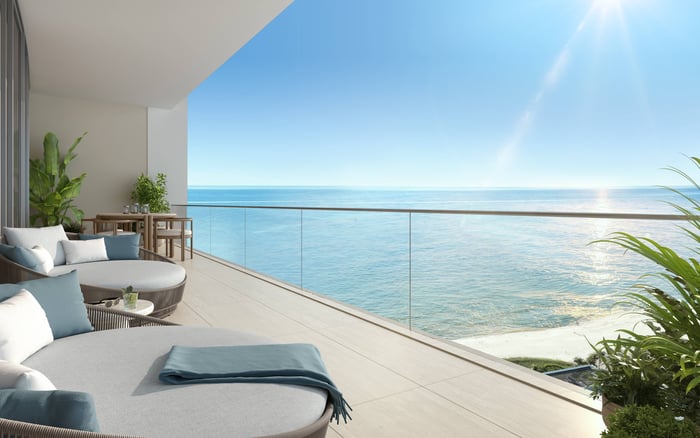
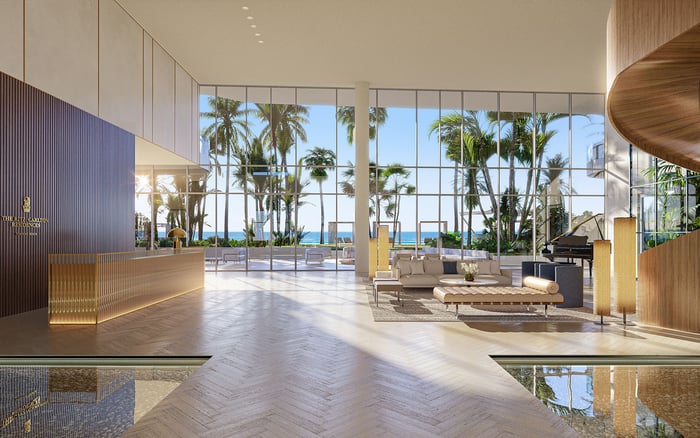
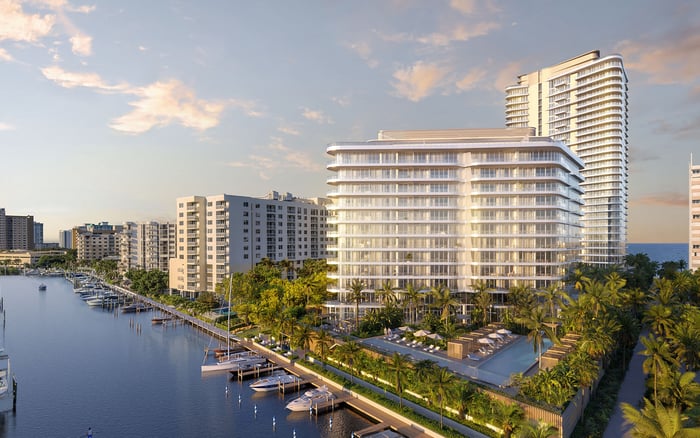
In South Florida’s new luxury-residential wave, the most telling differentiator is often the first sixty seconds: the choreography from curb to concierge, the privacy protocols, and the emotional temperature of the lobby. This editorial compares the arrival experience you can expect at Riva Residenze Fort Lauderdale and The Ritz-Carlton Residences® Pompano Beach, with an eye toward what discerning buyers actually feel and use day to day.
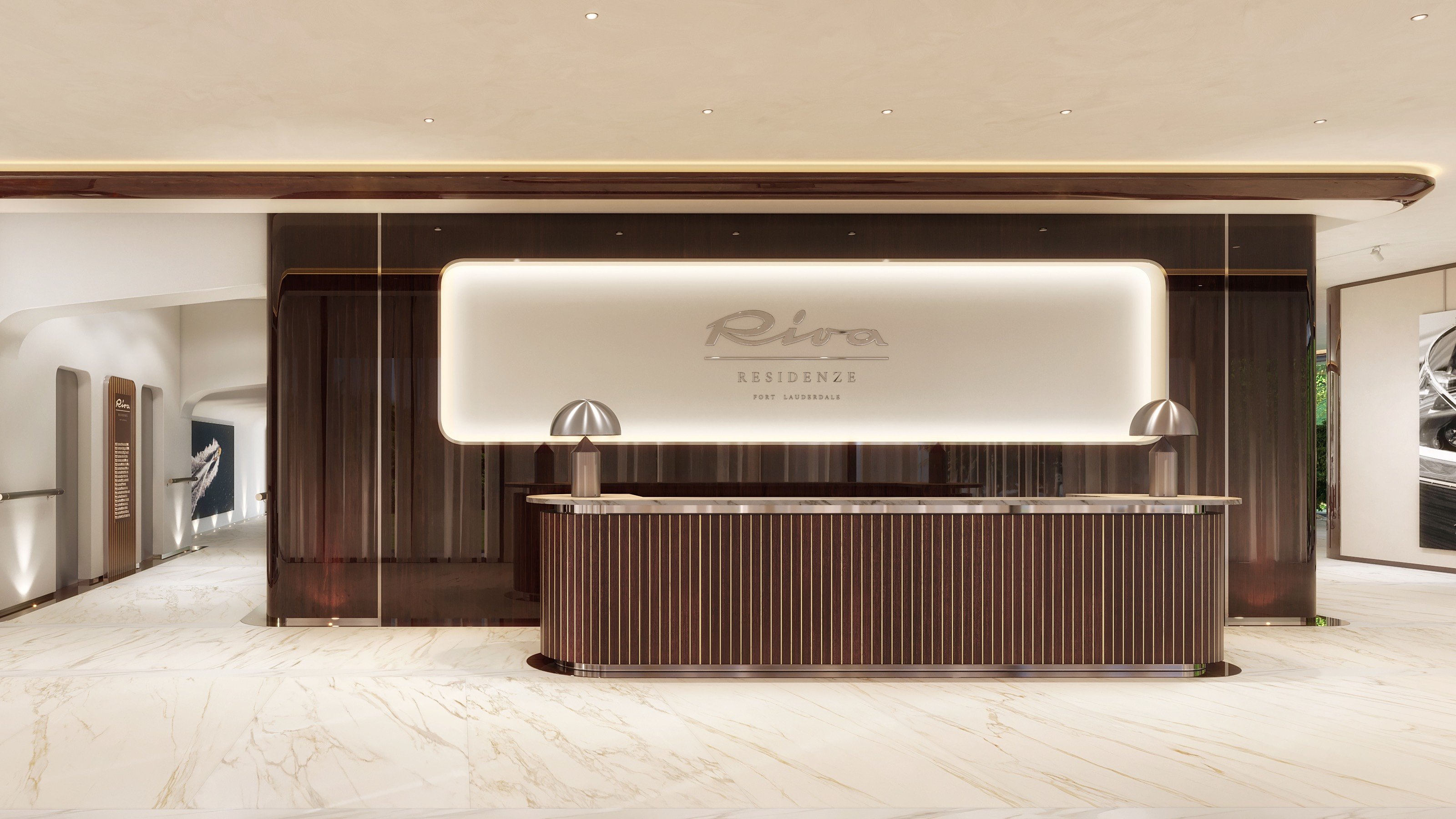
In ultra-premium South Florida, “arrival” is no longer a decorative concept. It’s a system. The distance between your car door and your front door shapes how private the day feels, how smoothly guests are received, and how quickly you can shift from city tempo to residential calm.
Buyers increasingly judge a building by repeatable moments: where you’re dropped off, whether you can enter without feeling on display, how staff engage without hovering, and whether the lobby reads as a true living room or merely a pass-through. In a market where finishes can start to look similar, this choreography becomes the differentiator.
That is exactly why comparing Riva Residenze Fort Lauderdale against The Ritz-Carlton Residences® Pompano Beach is so instructive. Both speak to luxury, but they frame the first impression differently: one as a residential statement, the other as a branded hospitality experience.
A refined arrival experience usually follows one of two philosophies.
The first is residential discretion. It prioritizes a controlled threshold: minimal friction, quiet materials, and a sense that the building is “yours” first, not a stage for the public. Design tends to emphasize warmth, restraint, and subtle cues of membership-recognition, privacy, and consistent calm.
The second is branded ceremony. It leans into hotel DNA: a deliberate sense of occasion, a polished greeting, and the confidence that comes from recognizable service standards. The lobby can feel like the opening scene of a well-run resort, even when the ownership is fully residential.
In Fort Lauderdale, buyers often want a daily rhythm that flexes between boating weekends, business weekdays, and quick in-and-out mobility. In Pompano Beach, the appeal can skew more coastal and resort-oriented, especially for second-home usage patterns. The question isn’t which is “better.” It’s which better matches your life.
The exterior approach is where luxury buildings often reveal their priorities. The best arrival sequences manage four things at once:
A calm curb. You want a drop-off that doesn’t feel like a traffic problem waiting to happen.
A clean threshold. The transition from outdoors to indoors should be immediate and legible. Confusion is not luxury.
A private second move. After the greeting, there should be a clear next step-resident elevators, a lounge, or a discreet corridor-so you never feel “processed.”
A service shadow. Staff presence should be available without being performative. The building should feel attended, not watched.
Through this lens, Riva’s arrival is best assessed for how it supports a resident-first cadence: short, purposeful, and quiet. The Ritz-Carlton Residences® Pompano Beach, by contrast, is naturally evaluated on ceremonial excellence: the ease of being received, the polish of the lobby, and the consistency of the hospitality tone.
For buyers considering other coastal addresses as reference points, it can help to experience a distinct arrival archetype, such as the resort-adjacent presence of W Pompano Beach Hotel & Residences or the oceanfront calm of Auberge Beach Residences & Spa Fort Lauderdale. These visits help you name what you prefer: hush, glamour, or energy.
Once you’re inside, the lobby either confirms the promise-or softens it. In top-tier residential design, the lobby isn’t only a photo moment. It’s a behavioral space: a place to pause, take a call, meet a friend, or simply decompress.
A design-forward residence like Riva typically earns credibility when the lobby reads as curated rather than branded: lighting that flatters instead of spotlights, materials that feel tactile rather than glossy, and seating that invites real use. The ideal is a space that never feels “busy,” even when people are moving through.
A Ritz-Carlton-branded residence is judged differently. Here, the lobby is expected to feel effortless and finished at all times. The atmosphere tends to follow classic hospitality codes: clear sightlines for staff, a greeting that’s practiced without feeling robotic, and an overall continuity that feels familiar to frequent hotel guests.
If you’re sensitive to noise and movement, ask yourself one simple question during a tour: do you feel like you’re entering a private home, or a public venue with private components?
The elevator experience is one of the most underestimated parts of arrival-and one of the most personal. A great elevator lobby functions like a palate cleanser: it resets the mind.
For many buyers, the ideal is speed without drama. The path from lobby to elevator should be intuitive, and the wait should feel minimal and comfortable. Privacy matters not only for celebrity-level needs, but for everyday high-value comfort: carrying jewelry purchases, traveling with children, or returning from the airport.
Riva’s strongest narrative is the feeling of stepping into a true residential environment quickly, with less of a “hotel corridor” tone. The Ritz-Carlton Residences® Pompano Beach should shine when you want a meticulously managed transition-where the building seems to anticipate the next step.
If you’re cross-shopping the broader branded-residence ecosystem, a quick comparative visit to Armani Casa Residences Pompano Beach can clarify what you respond to: fashion-house theatricality or hotel-grade composure.
The most honest test of an arrival experience isn’t the day you tour. It’s a normal Tuesday.
Consider how each building handles:
Guest arrivals. Can visitors be received without confusion or awkward waiting?
Privacy at the desk. Are conversations discreet by design?
Deliveries and packages. Do they pass through resident spaces, or are they handled out of sight?
Ride-hailing flow. Is there an obvious, sheltered point of pickup that doesn’t disrupt the entry?
These aren’t minor operational notes. They’re quality-of-life issues that repeat hundreds of times a year.
If you entertain frequently, you may prefer a Ritz-Carlton-style arrival where guests immediately understand the etiquette of the space. If you value quiet ownership, you may prefer a more residential signal-where the building feels like it belongs to residents, not arrivals.
Location influences the emotional tone of arrival. Fort Lauderdale often carries a blend of cosmopolitan energy and waterfront practicality. Many owners want a building that can pivot from formal to casual-still feeling appropriate when you return in a linen shirt after a day outside.
Pompano Beach, in contrast, can read as more purely coastal for many buyers. An arrival that leans into resort ease can feel aligned: you arrive, you exhale, the day slows.
Neither is inherently superior. The better fit depends on whether you want your entrance to feel like a private gallery of residents, or a refined coastal resort with residential access.
To compare Riva Residenze Fort Lauderdale and The Ritz-Carlton Residences® Pompano Beach with real precision, treat the arrival sequence as a functional audit.
Tour once in daylight and once in evening hours. Lighting changes everything.
Arrive as a guest would. Ask where you would wait.
Note the soundscape: doors, valet flow, lobby music, and echo.
Watch staff posture. Does it read as warm and confident, or overly scripted?
Identify the “second space” after the lobby. Where does your nervous system land?
The goal isn’t to be impressed. It’s to know which environment you’ll still love after the novelty fades.
Choose Riva Residenze Fort Lauderdale if you’re optimizing for a resident-first atmosphere where design and discretion deliver the first impression. It tends to resonate with buyers who want the building to feel like an extension of personal taste.
Choose The Ritz-Carlton Residences® Pompano Beach if you value the assurance of branded hospitality, a ceremonial greeting, and the consistency that comes with a globally recognized service culture. It tends to resonate with buyers who want their home to feel like a perfectly run coastal resort, without sacrificing ownership stature.
In both cases, the smartest move is to treat “arrival” as part of your floorplan. It’s the only room you use every day, even if you never call it a room.
What is an “arrival experience” in a luxury condominium? It’s the full sequence from curb to residence: drop-off, greeting, lobby, and elevator transition.
Why do buyers weigh arrival design as heavily as interiors? Because it repeats daily and shapes privacy, convenience, and the emotional tone of coming home.
Which feels more residential: Riva Residenze Fort Lauderdale or The Ritz-Carlton Residences® Pompano Beach? Many buyers associate Riva with a more boutique, resident-first sensibility, while Ritz reads more hospitality-led.
Which is better for frequent guests and entertaining? Branded-hospitality arrivals often make guest flow feel intuitive, especially for visitors unfamiliar with the building.
What should I listen for during a tour? Pay attention to noise at the curb, in the lobby, and near elevators; sound control is a subtle luxury signal.
How can I evaluate privacy without asking overly personal questions? Observe sightlines at the desk, seating placement, and whether there are discreet routes beyond the main lobby.
Does a hotel-branded residence always feel busier? Not necessarily, but it can feel more active because the service posture and lobby choreography are more visible.
What is the single biggest operational tell of a great arrival? The absence of confusion: guests know where to go, staff anticipate needs, and circulation feels effortless.
Should second-home owners prioritize a different kind of arrival? Often yes; second-home buyers may prefer resort ease, while primary residents may prioritize quiet and routine.
How do I compare buildings fairly if I tour at different times? Try to re-tour at peak hours or ask to arrive unannounced like a guest to see the real cadence.
To compare the best-fit options with clarity, connect with MILLION Luxury.
If branded residences are on your mind — as a home or as an allocation — we would be glad to share what we are seeing, privately.
Begin a quiet conversation