A discreet, buyer-oriented comparison of how two Coconut Grove residences translate biophilic intent into daily living, wellness, and long-term value.
In South Florida, “biophilic” is often treated as a marketing adjective: a planter, a green wall, a lobby that nods to the tropics. Coconut Grove demands more. The neighborhood’s identity is already botanical-mature canopy, waterfront breezes, and a street life that rewards walking. In that context, biophilic design isn’t about importing nature into a sterile setting. It’s about editing and framing what’s already outside, then extending it into the private, climate-controlled rituals of home.
For buyers evaluating Arbor Coconut Grove against Ziggurat Coconut Grove, the most useful comparison isn’t which building has “more plants.” It’s which one translates nature into performance: quieter interiors, more comfortable outdoor rooms, gentler light, and a daily sense of restoration that feels effortless.
Because publicly disclosed details can vary by phase and release, this editorial focuses on the biophilic principles sophisticated buyers consistently value: connection to landscape, daylight quality, material honesty, and the way amenities and circulation make wellness feel like part of the building’s operating system.
Biophilic design is a spectrum, and these two projects land on distinctly different points.
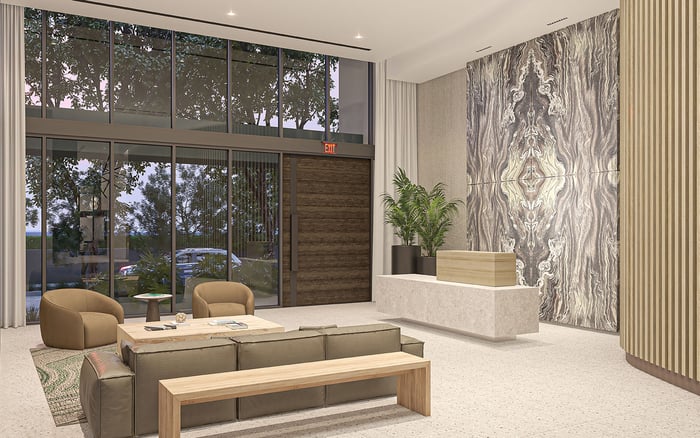
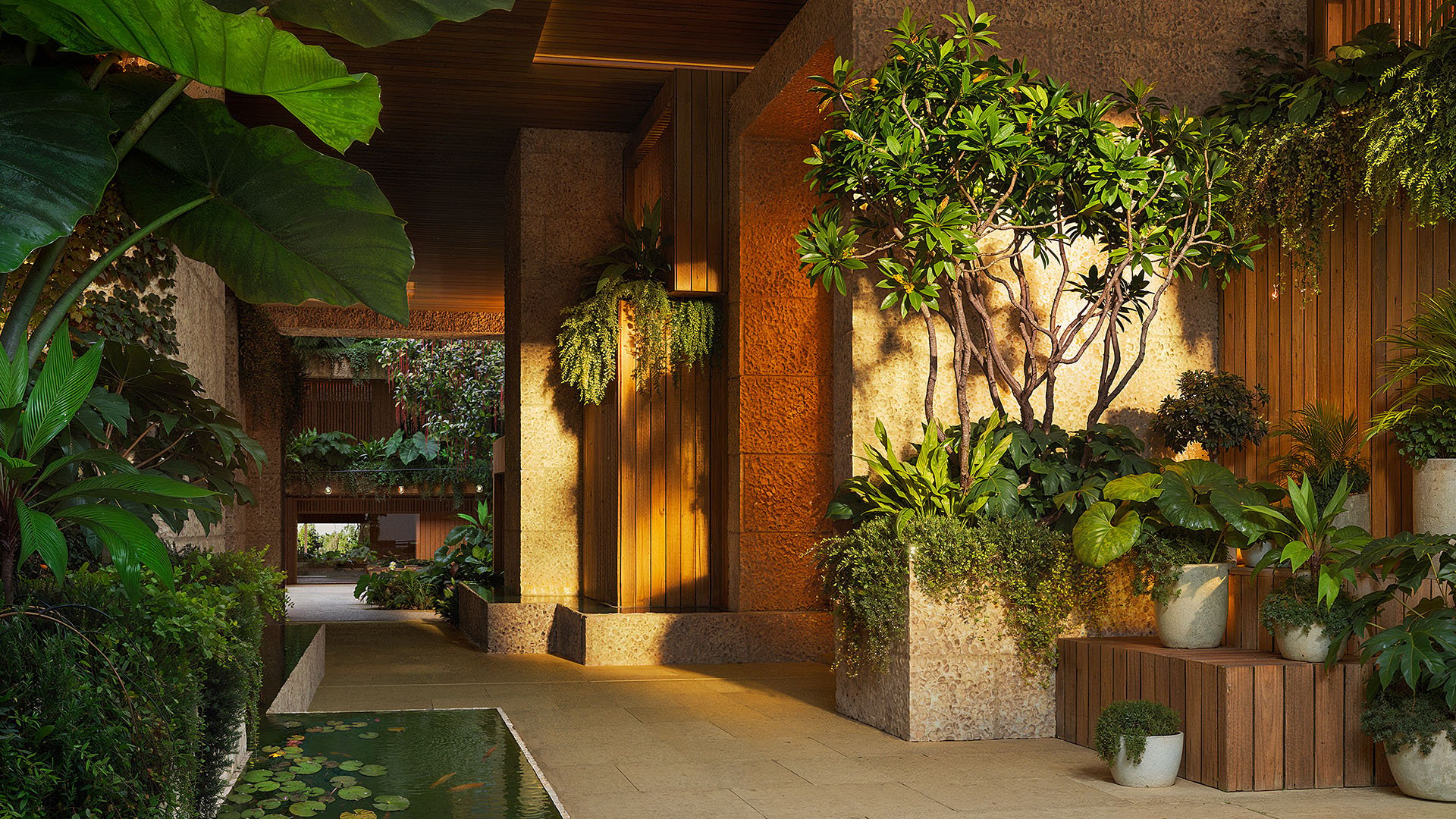
reads as a garden-forward interpretation. Its biophilic ambition comes through as softness: the suggestion of shaded paths, layered planting, and a residential calm that echoes the Grove’s older streets. In practice, this approach typically prioritizes enclosure and retreat. Expect the strongest moments at the thresholds-arriving under shade, moving through a lobby that feels tempered rather than grand, and stepping from indoor comfort to outdoor air without a hard reset.
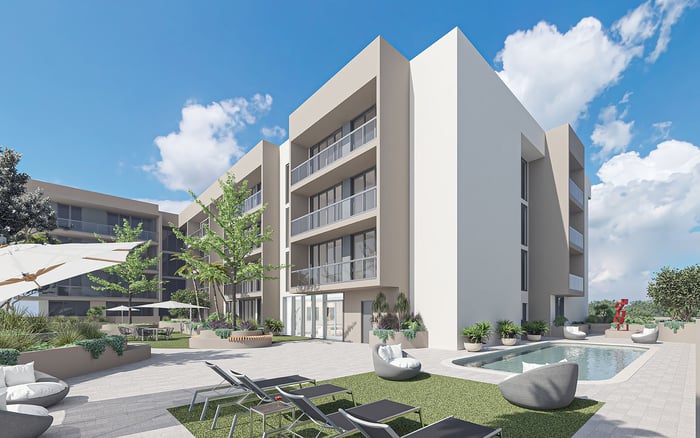
Ziggurat Coconut Grove, by contrast, signals a more architectural interpretation, where the building becomes a kind of landform. At its best, the biophilic effect is delivered through massing, terraces, and a deliberate choreography of light and shadow. This tends to attract buyers who prefer nature filtered through a stronger design gesture: less “garden romance,” more sculptural clarity.
Neither philosophy is inherently superior. The decision is simply how you want nature to register in your day.
In South Florida, the most valuable “biophilic” square footage is often the outdoor space you’ll actually use. That comes down to microclimate. Shade patterns, wind comfort, and the way planting buffers heat and glare determine whether a terrace becomes a daily sanctuary or an occasional photo backdrop.
A garden-forward project like Arbor is most convincing when terraces and shared outdoor areas are conceived as inhabited rooms: spaces with layered planting, comfortable proportions, and visual privacy. For buyers who entertain quietly or protect a slow morning routine, this strategy can feel more intimate-especially when landscaping is used to soften neighboring sightlines.
Ziggurat’s landform sensibility can excel when terraces are shaped to create self-shading and varied exposures. The best terrace isn’t necessarily the largest; it’s the one that stays comfortable longer throughout the day. Ask specifically how geometry, screening, and planting work together to reduce direct solar gain while preserving views and airflow.
A useful buyer tactic: visit at two times. Mid-morning reveals glare behavior; late afternoon reveals heat retention. When a project is truly biophilic, you feel the difference before anyone explains it.
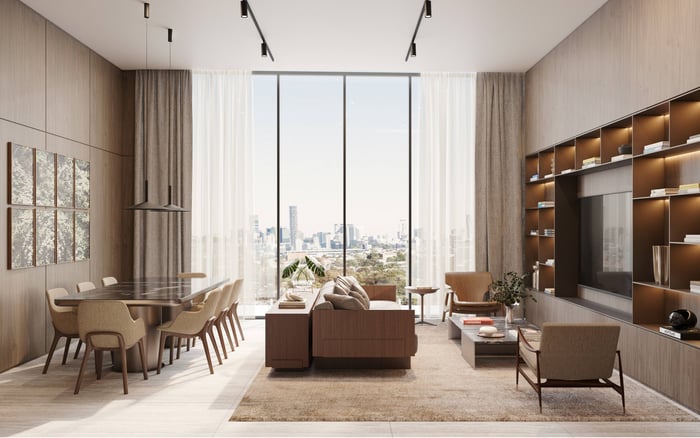
“More glass” isn’t the same as better daylight. In a subtropical climate, biophilic daylighting is about calibrated brightness, not raw exposure. The goal is to bring natural light deep into the home while avoiding harsh contrast that forces constant shade management.
Arbor’s softer, garden-oriented identity often pairs naturally with diffused light and layered views into foliage. When greenery occupies the immediate foreground, it can ease the psychological intensity of the skyline and help interiors feel calmer even when the home is visually open.
Ziggurat’s more graphic profile can produce dramatic light moments: sharper shadow lines, more pronounced rhythms across ceilings and floors, and a sense of time passing that feels intentional. For some buyers, that reads as energizing and modern; for others, it can feel more “designed” than “natural.”
In either case, the buyer’s question is straightforward: does the light support how you live? If you work from home, read, or collect art, you want a daylight strategy that’s beautiful without being demanding.
The most credible biophilic buildings don’t rely on plants alone. They create a tactile environment that feels grounded-materials with warmth, textures that absorb rather than amplify, and palettes that connect subtly to place.
Arbor’s positioning suggests an emphasis on natural resonance, with finishes and detailing aimed at ease. In its best expression, this isn’t rustic; it’s quietly luxurious, with a preference for surfaces that feel good in the hand and age gracefully.
Ziggurat’s sculptural language can support a more refined minimalism, where biophilia arrives through restraint: proportion, clean lines, and a careful balance between smooth and textured surfaces. Done well, it can feel like a gallery for the Grove’s greenery, allowing the landscape to become the primary ornament.
If you’re comparing residences, look past the lobby. Notice elevator interiors, corridor acoustics, and how unit entryways are handled. Biophilic design breaks down when the “in-between” spaces feel like an afterthought.
In a premium Coconut-grove purchase, amenities are increasingly evaluated as wellness infrastructure. The real question is whether common areas operate as extensions of home-lowering stress, inviting movement, and making time outside feel natural.
Arbor’s garden-forward narrative is most persuasive when shared spaces prioritize shaded seating, calm outdoor social zones, and transitions that feel more like moving through a landscaped estate than a typical condominium stack.
Ziggurat’s architectural approach can shine when amenity decks are organized with clarity: distinct zones for quiet, for exercise, and for social time, each with purposeful exposure to sun, breeze, and planting. When the building form creates natural pockets of privacy, residents can enjoy community without feeling on display.
To contextualize this within the broader Coconut-grove market, buyers often weigh the neighborhood’s established luxury options, such as Four Seasons Residences Coconut Grove, where lifestyle services and polished indoor-outdoor transitions tend to be core to the experience. The point isn’t imitation-it’s the standard of daily ease today’s buyer expects.
Biophilic design is easiest to judge when you treat it like performance. Consider these questions as you walk:
First, listen. Does the building feel acoustically softened, especially in arrival sequences and corridors? Nature-inspired design often pairs with an intentional reduction of harsh reverberation.
Second, track the temperature shift. Do you feel a comfortable gradient between exterior heat and interior cooling, or a jarring step-change? The best indoor-outdoor transitions feel tempered.
Third, look for layered views. Biophilia is strongest when the eye lands on multiple depths: close planting, mid-distance canopy, and long views beyond. A single, flat view can be impressive, but it isn’t always restorative.
Fourth, observe how you move. Are there moments that naturally slow you down-shaded pause points or framed garden views? Biophilic design is as much about pacing as it is about objects.
Finally, map this to your daily pattern. If you want a more boutique, neighborhood-integrated rhythm, compare how other nearby residences handle the street and the Grove’s walkable life, including Opus Coconut Grove. The right project is the one whose “biophilic” choices support how you actually use Coconut-grove, not just how you describe it.
In ultra-premium real estate, longevity often tracks with comfort. A building that delivers calmer light, more usable outdoor space, and a genuine sense of refuge can feel more valuable even as finishes shift with fashion.
Arbor’s advantage-when executed well-is emotional durability: warmth that can make a new building feel immediately rooted in Coconut-grove. Buyers who prioritize serenity, privacy, and a softer residential mood may find this approach holds its appeal because it aligns with the neighborhood’s underlying character.
Ziggurat’s advantage is architectural distinction: a stronger formal identity that may resonate with buyers who collect design and value statement-making geometry. If outdoor spaces and daylighting are handled with equal finesse, that sculptural clarity can age exceptionally well.
The most prudent conclusion is personal: choose the project whose version of nature matches your temperament. Some buyers want to be surrounded by green. Others want green to be framed, edited, and composed.
What is biophilic design in a luxury condominium context? It’s design that strengthens connection to nature through light, air, materials, and landscape-not only through decorative plants.
Is more greenery always better? Not necessarily; comfort, shade, and how outdoor spaces are actually used matter more than the quantity of visible planting.
How can I compare Arbor Coconut Grove and Ziggurat Coconut Grove quickly? Focus on outdoor-room usability, daylight softness, and how arrival and circulation spaces feel day to day.
Which project is likely to feel more private? Privacy depends on massing, terrace design, and sightlines; tour both and evaluate views into and out of key rooms.
What should I look for on a terrace during a showing? Check sun exposure, wind comfort, and whether you can realistically imagine using it comfortably beyond early morning.
Does biophilic design affect maintenance and building operations? Yes; living landscapes require ongoing care, and the best projects integrate that upkeep discreetly into operations.
How does Coconut-grove influence biophilic design expectations? The neighborhood’s mature canopy sets a high bar, so projects need to frame and extend that environment authentically.
Can biophilic design improve resale appeal? Often, because calm light, usable outdoor space, and a restorative atmosphere tend to remain desirable across cycles.
Should I prioritize amenities or in-residence features? Prioritize the features you’ll use weekly, then evaluate amenities as an extension of your daily wellness routine.
What is the best next step if I am deciding between these buildings? Schedule comparative tours at different times of day, then align the choice with your preferred lifestyle rhythm.
When you're ready to tour or underwrite the options, connect with MILLION Luxury.
If branded residences are on your mind — as a home or as an allocation — we would be glad to share what we are seeing, privately.
Begin a quiet conversation