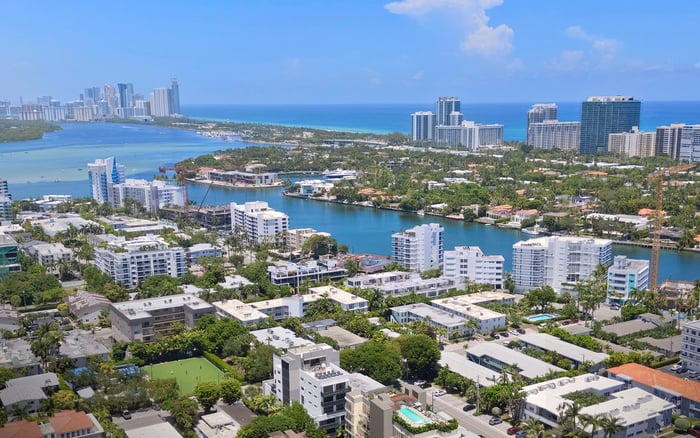
A buyer-focused comparison of two distinct luxury propositions in Brickell: Colette Residences Brickell, which leans into limited-supply discretion, and House of Wellness Brickell, which centers daily life around integrated health services and wellness programming.
In Brickell, luxury is no longer expressed through a single formula. For one buyer, value means fewer neighbors, controlled access, and amenities designed to keep daily life private. For another, it means a residence that builds wellness into the structure of the day, from air quality and lighting to screenings, movement, and social programming. That distinction sits at the center of the conversation around Colette Residences Brickell and House of Wellness Brickell.
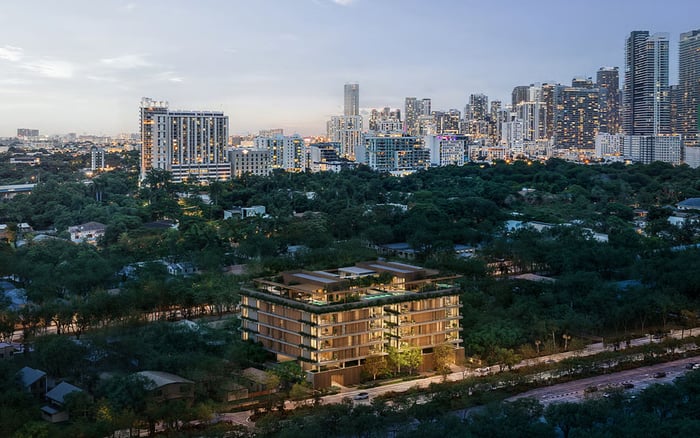
Both projects benefit from Brickell’s city-core appeal: proximity to the financial district, dining, and healthcare access. Yet they advance very different interpretations of modern luxury. Colette is presented as an ultra-luxury tower with a limited resident count and a boutique identity. House of Wellness is conceived as a luxury residential community organized around integrated wellness programming and health-oriented services.
This is not simply a matter of which project feels more lavish. It is a question of lifestyle architecture: do you want a home that protects your privacy through deliberate restraint, or one that actively curates your physical and social routine?
Colette’s appeal begins with scarcity. In a neighborhood that often celebrates scale, a lower resident count creates a different social texture. Fewer owners can mean fewer chance encounters, less crowded amenity spaces, and a stronger sense that the building is designed around the resident rather than the resident adapting to the building.
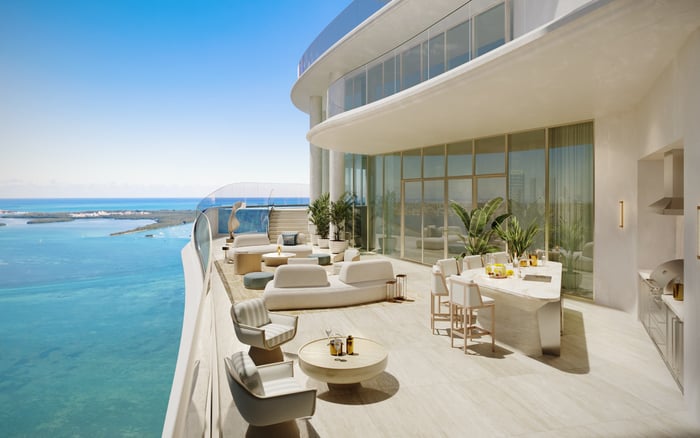
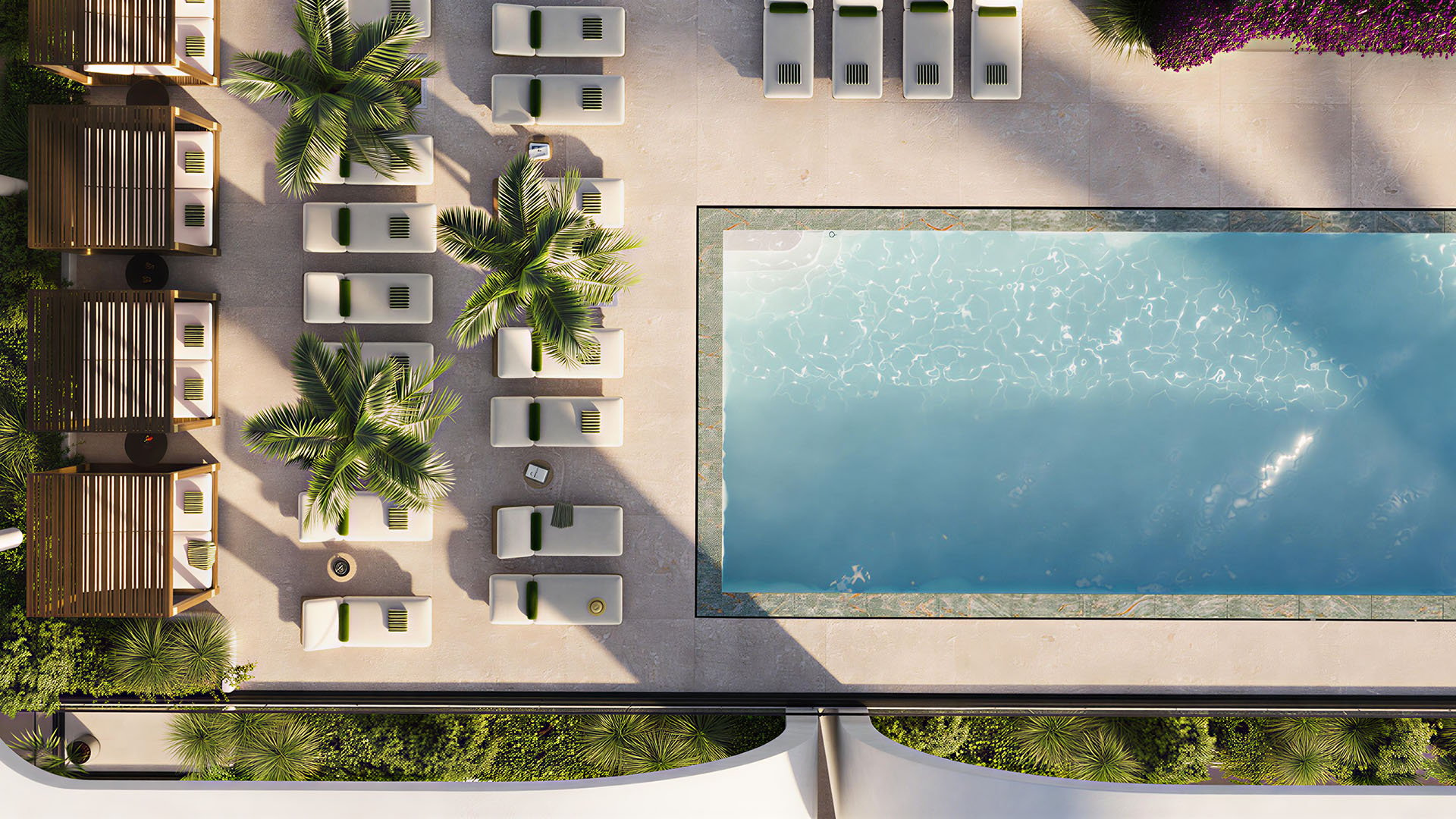
The residences are described with floor-to-ceiling windows, private terraces, and elevated finishes. Its amenity approach follows a private-service model, with features such as spa facilities, wine storage, smart-home integration, concierge attention, a fitness center, and a private pool. The overall impression is that privacy here is not merely aesthetic; it is operational.
This places Colette in the same broader conversation as other privacy-minded Brickell addresses such as Una Residences Brickell and The Residences at 1428 Brickell, where a more refined buyer often values calm over constant activation. Colette’s boutique positioning appears especially suited to owners who want premium service without a high-visibility social environment.
House of Wellness takes the opposite approach. Instead of minimizing interaction, it treats the residence as a platform for health-first daily life. The concept is built around a dedicated wellness center with on-site health services, preventive screenings, fitness programming, and nutritional consultation. Residences are described with wellness-oriented design features including air purification, circadian lighting, and ergonomic layouts.
The building’s common spaces reinforce that orientation. Yoga, meditation, and fitness studios are part of the offering, alongside wellness events, health workshops, social gatherings, a wellness-focused restaurant, and a rooftop garden.
Buyers already looking at lifestyle-led addresses such as ORA by Casa Tua Brickell or wellness-adjacent concepts like The Well Coconut Grove will recognize the broader shift: the amenity package is no longer only about indulgence. It is also about performance, recovery, and continuity of care.
The clearest distinction between these two projects is not finish level or skyline access. It is the intention of the shared environment.
Colette minimizes shared-space friction. Its value proposition lies in controlled access, quieter amenity use, and personalized service. If your ideal residence is one where your routine is protected from visibility, Colette makes a persuasive case. This is especially relevant for second-home owners and buyers who want Brickell proximity without a socially active building culture.
House of Wellness, by contrast, assumes that many residents want the building to do more. It uses shared spaces and programming to encourage participation, connection, and healthier habits. A resident who values screenings, movement classes, nutritional guidance, and regular wellness events may see greater utility in this model than in a highly discreet concierge-led tower.
In other words, Colette is about insulation. House of Wellness is about integration.
The strongest Colette buyer is likely someone for whom privacy is not a luxury add-on but a primary requirement. This buyer may spend only part of the year in Miami, may entertain selectively, and may care more about seamless service than about building community. The attraction lies in the combination of limited supply, strong finishes, private outdoor space, and a residential ecosystem designed to reduce unwanted visibility.
The strongest House of Wellness buyer is different. This buyer wants the building to shape better habits. They may be deeply schedule-driven, committed to preventive care, or simply unwilling to commute for a quality wellness routine. They may also value a social layer that feels intentional rather than incidental. For them, the residence is not only a place to retreat; it is a place to function at a high level.
For Brickell specifically, that distinction is especially meaningful. The neighborhood already offers energy, walkability, dining, and connectivity. The residence therefore has to decide what kind of counterbalance it provides. Colette offers retreat from the city’s velocity. House of Wellness channels that same velocity into a curated, health-forward rhythm.
The price conversation can help frame each project’s positioning, but the bigger issue is lifestyle fit. Colette supports a boutique identity built around lower density, privacy, and concierge-centered service. House of Wellness presents a broader wellness-led proposition focused on integrated daily routines and resident programming.
For buyers comparing value, the key is to judge the premium against the lifestyle return. If discretion, lower resident density, and personalized service are the end goals, Colette may feel like the stronger fit. If daily wellness access, health-oriented design, and structured programming are central to your routine, House of Wellness may offer more practical relevance.
For the buyer who wants Brickell without exposure, Colette is the sharper answer. Its identity is boutique, exclusive, and notably private in a district that often favors spectacle. For the buyer who wants the residence to improve everyday health, House of Wellness is the more compelling concept. It treats luxury not as distance from others, but as access to systems that support balance and consistency.
Neither is universally better. They simply represent two different definitions of premium living in the same neighborhood. One protects your time and privacy. The other programs your environment around well-being.
Is Colette Residences Brickell more exclusive than House of Wellness Brickell? Colette is positioned as the more boutique and privacy-oriented option, with its appeal tied to limited supply and a quieter residential experience.
Which project is better for buyers who prioritize wellness? House of Wellness is more closely aligned with health-first buyers because its concept centers wellness services, screenings, studios, and programming.
Does Colette focus more on privacy than community? Yes. Its positioning emphasizes personalized service, controlled access, and a more discreet atmosphere rather than active community programming.
Is House of Wellness Brickell only for retirees? No. The concept can also appeal to professionals and other buyers who want integrated wellness in the city core.
What kind of amenities define Colette? The project is described with a private-service model that includes features such as spa facilities, wine storage, concierge support, smart-home integration, fitness space, and a private pool.
What makes House of Wellness different from a typical luxury tower? Its focus on on-site wellness infrastructure, preventive services, and recurring programming makes it more health-centered than a conventional amenity package.
Are both projects well located within Brickell? Yes. Both benefit from Brickell’s access to the financial district, dining, and healthcare resources.
Which project is likely better for a second-home owner seeking discretion? Colette appears to be the more natural fit for a buyer who values privacy, limited visibility, and a quieter residential rhythm.
Which project offers more social interaction through amenities? House of Wellness does, because its wellness events, workshops, and shared programming are designed to encourage resident engagement.
What is the best way to shortlist comparable options for touring? Start with location fit, delivery status, and daily lifestyle priorities, then compare stacks and elevations to validate views and privacy.
If you'd like a private walkthrough and a curated shortlist, connect with MILLION Luxury.
If branded residences are on your mind — as a home or as an allocation — we would be glad to share what we are seeing, privately.
Begin a quiet conversation