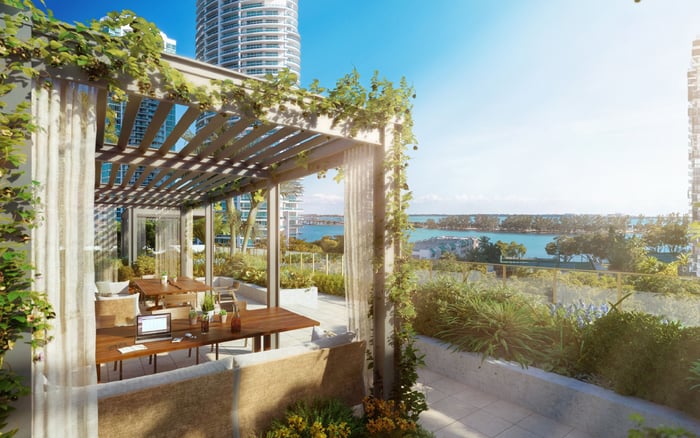
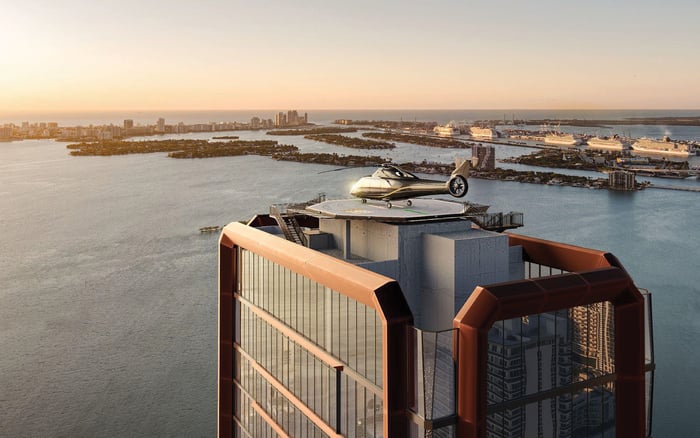
In South Florida’s luxury condominium market, the decisive distinction is not glamour but intent. A true family condo is designed for year-round residence, daily routines, and long-term stability, while a glamorous weekender is calibrated for seasonal use, hospitality-level service, and, in many cases, rental flexibility. For discerning buyers, the difference reveals itself in location, floor plan, amenity programming, HOA culture, financing profile, and resale behavior.
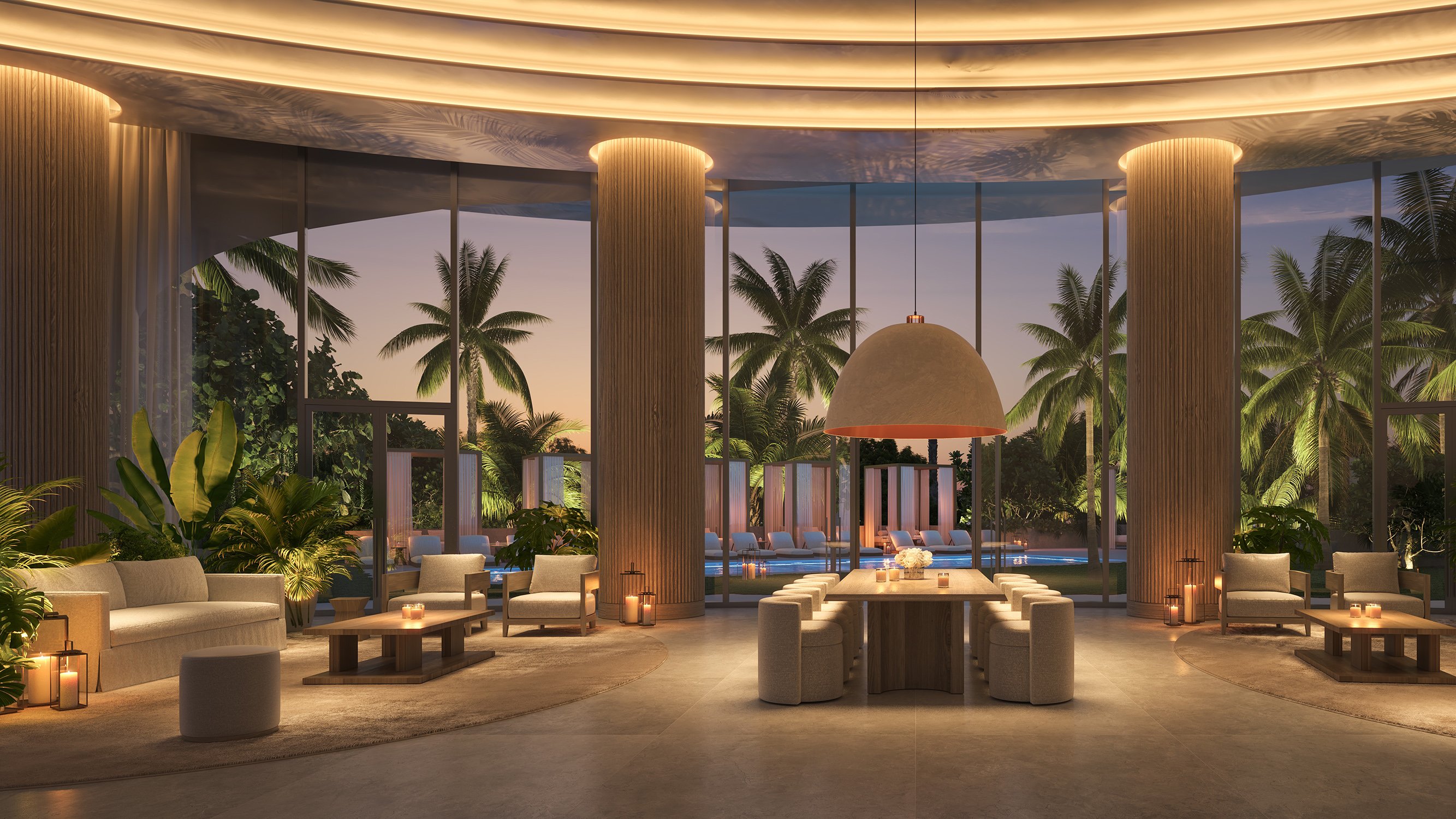
In South Florida, some of the most beautiful condominiums on the market can look similar at first glance. Both a true family residence and a glamorous weekender may offer polished lobbies, water views, private elevators, and sophisticated wellness spaces. Yet the defining distinction is more practical than visual. One is built around daily life. The other is built around arrival.
A family condo is typically conceived for year-round primary residence. Its buyer is thinking about school mornings, grocery runs, commuting patterns, home-office needs, guest overflow, and the comfort of staying put for years. A glamorous weekender, by contrast, is usually oriented toward seasonal ownership, second-home use, or flexible occupancy that may include short-term leasing or professionally managed stays.
That difference shapes nearly every decision, from the neighborhood and floor plan to the building rules and monthly economics. In a market as image-conscious as South Florida, understanding that underlying use case is often the fastest way to tell whether a residence is meant for living well every day or for escaping beautifully a few days at a time.
A family-oriented condominium usually sits where life works smoothly. The surrounding value is not just scenery but convenience: schools, parks, dining that works on a Tuesday, routine shopping, medical access, and a neighborhood cadence that holds steady beyond high season. In places such as Coconut Grove, Coral Gables, Pinecrest-adjacent corridors, and parts of Aventura, the appeal is often rooted in continuity rather than spectacle.
That is why residences such as 2200 Brickell can resonate with buyers who want urban access without making transient hospitality the center of the proposition. Similarly, more residential enclaves like Arbor Coconut Grove and Avenia Aventura align more naturally with buyers focused on daily rhythms, longer ownership horizons, and neighborhood depth.
The glamorous weekender follows a different map. It is drawn to highly visible waterfront and urban luxury districts where arrival value commands a premium: Miami Beach, Brickell, Downtown, the Miami River, and certain resort-driven coastal pockets. In these settings, the view is often part of the operating model. The residence is not merely a home base. It is an experience platform.
Projects such as The Perigon Miami Beach or Waldorf Astoria Residences Downtown Miami fit naturally into that broader lifestyle conversation, where visibility, service, and destination energy are part of the draw.
If location hints at intent, the layout confirms it.
A true family condo generally prioritizes separation, flexibility, and endurance. Buyers should expect better secondary bedrooms, more meaningful den space, room for remote work, practical laundry placement, and storage that reflects real living. Kitchens tend to support everyday cooking, not just catered entertaining, with larger work surfaces, more cabinetry, and pantry capacity that matters over time. Guest rooms and multigenerational accommodations also carry real value here.
A glamorous weekender often takes the opposite approach. It may be visually stunning, with open entertaining areas, dramatic primary suites, striking sight lines, and finishes that photograph beautifully. But in many of these residences, the secondary bedrooms, storage strategy, and everyday utility take a back seat to the arrival sequence and the public-facing rooms.
That does not make one format better than the other. It simply means the most important luxury question is whether the home supports your ordinary life, not just your best weekend.
Amenities are among the clearest separators in the market.
In a family building, the amenity mix usually skews toward repeat use. A fitness center matters because residents will use it three or four times a week. A children’s room matters because families need somewhere reliable on a rainy afternoon. Business lounges, resident gathering areas, lap pools, and wellness rooms have value because they serve routine, not spectacle. The tone is often quieter, more stable, and more resident-led.
In a weekender building, the amenity package is more likely to feel hospitality-driven. Resort-style pools, beach clubs, lounge spaces, spa services, restaurant integration, heavy concierge programming, valet operations, and guest-oriented services carry greater importance. These buildings are often designed to make short stays feel seamless and elevated, especially for second-home owners and international buyers who want service infrastructure in place before they arrive.
That difference is also visible in staffing. Family buildings usually operate with standard concierge and maintenance coverage. Weekender properties often market around-the-clock service, valet, housekeeping coordination, and event support. For some owners, that is the very point. For others, it translates into unnecessary complexity and higher monthly carrying costs.
Luxury buyers often spend too much time studying finishes and too little time studying the building’s operating philosophy.
A true family condo tends to prioritize owner stability and community continuity. Leasing may be limited in frequency or duration, transient occupancy may be discouraged, and quiet-hours enforcement is usually more meaningful. The building culture often favors familiarity, predictability, and neighborly consistency. Over time, that can become one of the most valuable amenities in the property.
A glamorous weekender is more likely to allow short-term rentals, integrate rental programs, or support a more fluid pattern of guest use. In these buildings, the culture may be intentionally social, high-touch, and more tolerant of turnover. There may be stronger property management involvement, guest coordination, and systems built around frequent arrivals and departures.
For an owner seeking community, this distinction is critical. For an owner seeking flexibility and income potential, it may be equally appealing for the opposite reason.
The financial profile of the two categories also diverges.
Family condos are generally more compatible with conventional long-term mortgage use and tend to appeal to a broader mix of owner-occupants and investors on resale. Their value proposition often rests on livability, location discipline, and long-term equity growth. Because they are not as directly tied to tourism sentiment, their buyer pool can be steadier.
Weekenders often attract more cash-oriented or investor-leaning buyers, especially where short-term use or hospitality-style operations are central to the story. HOA fees may also reflect a heavier service model, with costs linked to concierge staffing, valet support, turnover logistics, and guest-facing operations. Resale can be strong, but it may be more sensitive to shifts in travel demand, investor appetite, and the broader mood around second-home ownership.
For that reason, a buyer choosing between the two should think beyond the asking price. The better question is which ownership model feels natural to hold through different market cycles.
When evaluating any luxury condominium in Brickell, Miami Beach, Aventura, or beyond, ask five direct questions. Is this building designed for year-round living or for part-time arrival? Do the leasing rules encourage stability or turnover? Does the floor plan support real life or primarily entertaining? Are the amenities practical or hospitality-centric? And does the service model feel residential or hotel-adjacent?
If the answers point toward storage, flexible rooms, quiet rules, practical amenities, and neighborhood continuity, you are likely looking at a true family condo. If they point toward iconic views, turnkey interiors, guest services, social energy, and rental flexibility, you are likely looking at a glamorous weekender.
In South Florida, both can be exceptional. The mistake is assuming they deliver the same kind of luxury.
What is the simplest way to tell a family condo from a weekender? Start with occupancy intent: family condos are planned for full-time living, while weekenders are usually positioned for seasonal use and flexibility.
Are family condos always inland rather than waterfront? No. They can still be prime and scenic, but they more often prioritize daily convenience over tourism-heavy positioning.
Do weekenders usually allow short-term rentals? Many do, or they support some form of flexible leasing or rental management, which is less common in family-focused buildings.
Why do floor plans matter so much? Because separate bedrooms, dens, storage, and practical kitchens usually signal real daily living rather than occasional entertaining.
Are hospitality amenities a warning sign for full-time buyers? Not necessarily, but they can indicate a building optimized for transient use, higher service intensity, and a more social operating culture.
What HOA rule should buyers read first? Leasing restrictions are often the clearest window into whether a building values stability or turnover.
Do family condos hold value better? They can appeal to a broader resale audience, though long-term performance still depends on location, quality, and building management.
Who typically buys a glamorous weekender in South Florida? Second-home owners, investors, and international purchasers are often the most natural fit for that ownership model.
Can a luxury buyer want both family function and resort service? Yes, but it requires careful screening because many buildings lean decisively toward one operating philosophy or the other.
What should buyers do before committing? Spend as much time reviewing rules, staffing, and layout logic as you do admiring the views and finishes.
To compare the best-fit options with clarity, connect with MILLION Luxury.
If branded residences are on your mind — as a home or as an allocation — we would be glad to share what we are seeing, privately.
Begin a quiet conversation