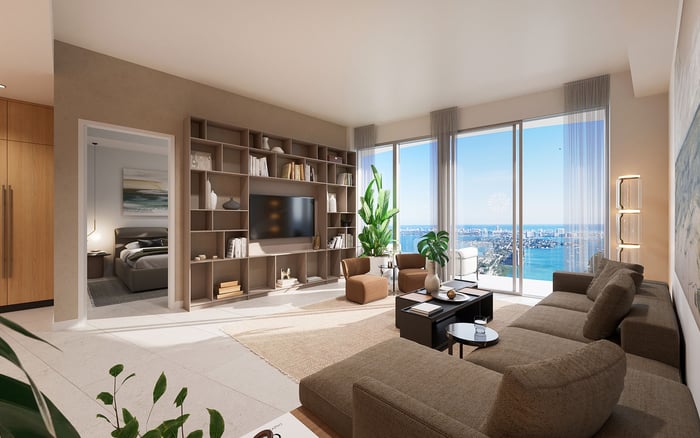
At Casa Bella, the quality of ownership extends beyond Italian design to the recurring rituals of arrival. Guest-parking governance can influence hosting, privacy, security, and the ease with which a residence supports daily life.
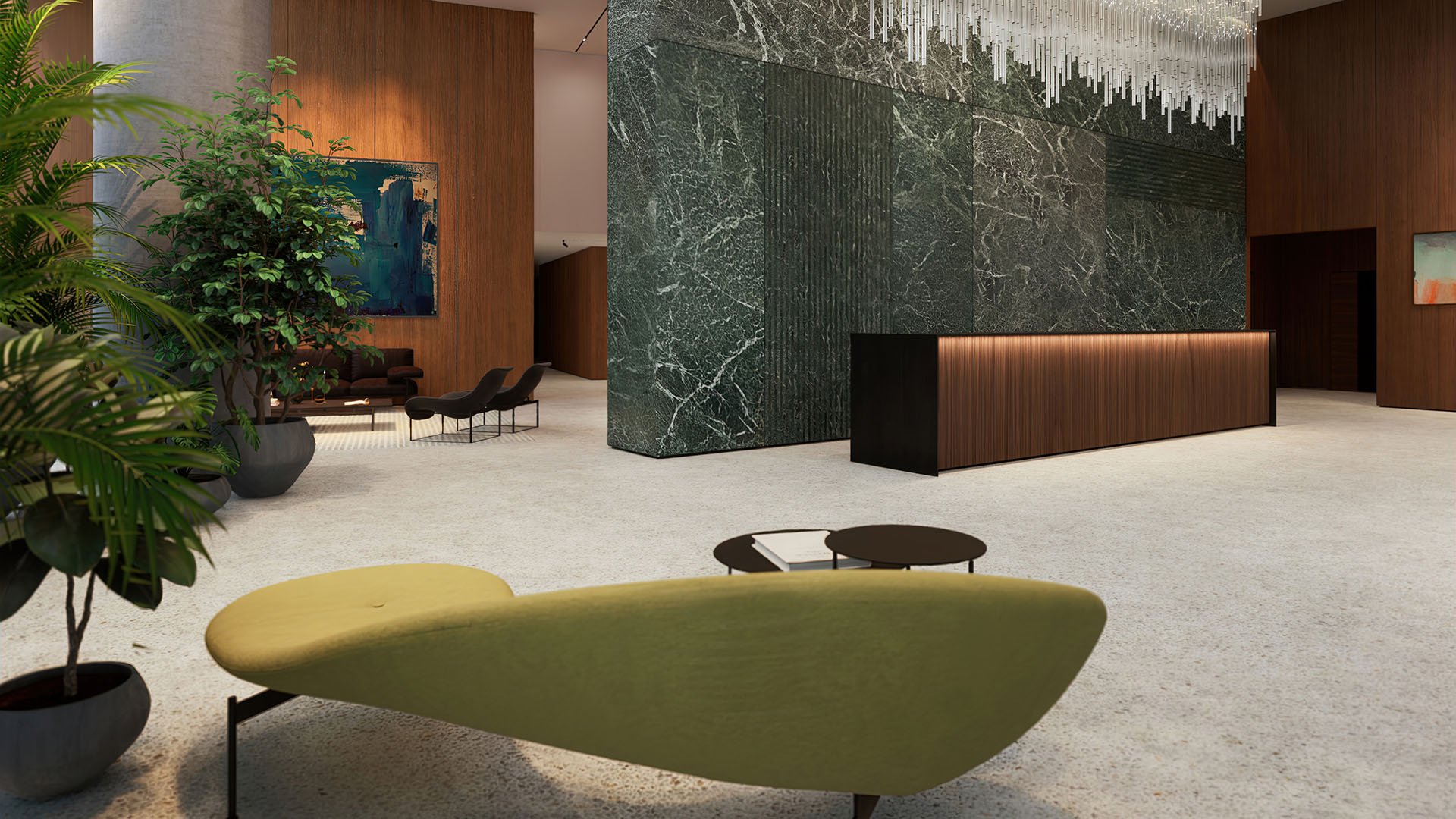
At Casa Bella by B&B Italia Downtown Miami, the ownership experience encompasses more than design. Access, service, amenities, and everyday operations can be just as important to residents.
Guest parking may seem minor beside architecture, interiors, and views. In practice, the arrival process can affect a cocktail gathering, family visit, business meeting, or spontaneous drop-in. A clear procedure can help a visit begin smoothly, while confusing instructions can create friction before a guest reaches the lobby.
That distinction matters in Downtown Miami, where buyers may want to examine how parking and arrivals are coordinated. A persuasive luxury experience should feel composed, understandable, and consistent.
Branded residences invite buyers to look for coherence among design, service, security, and hospitality. Guest arrival is one point where that proposition becomes operational rather than purely visual.
Registration requirements, time limits, valet availability, and space allocation are among the issues that may shape the experience. These are not presented as Casa Bella’s current policies. Its actual guest capacity, fees, validation process, overnight rules, and valet procedures should be confirmed in current written materials.
Routine instructions also deserve attention. Buyers may wish to evaluate the clarity of vehicle handoffs, lobby access, elevator circulation, and staff communication. These recurring interactions can be important to the practical experience of ownership.
Parking rules can involve hospitality, access control, resident security, and the allocation of shared resources. A flexible system may support informal hosting, while a more controlled process may emphasize oversight. Buyers should determine how a building approaches those priorities rather than assuming that every luxury residence operates in the same way.
The relevant question is not simply whether guest parking exists. It is whether the process suits the intended use of the residence. Procedures should be assessed for clarity, predictability, and ease of use, especially during busy periods or larger gatherings.
The same lens can be applied when considering other Downtown Miami options, including Aston Martin Residences Downtown Miami and Waldorf Astoria Residences Downtown Miami. The purpose is not to assume identical operations, but to evaluate each residence through a consistent set of questions.
A primary resident may anticipate dinners, professional appointments, or family visits. A pied-à-terre owner may prioritize a straightforward process that remains easy to follow after time away. An investment-minded purchaser may focus on how approved occupants and their visitors navigate building access.
Each ownership pattern can place different emphasis on parking capacity, advance registration, validation, and overnight permissions. The appropriate standard is personal: frequent hosts may value flexibility and smooth coordination, while owners who receive few visitors may place greater weight on controlled entry.
Before purchasing, buyers should request current guest-parking rules in writing and identify the documents or procedures governing them. A verbal summary may be helpful, but it should not replace the operative materials supplied for review.
Ask whether guest spaces are available, whether parking is self-park or valet, and whether access is guaranteed or subject to availability. Confirm any fees, validation procedures, time restrictions, overnight permissions, event protocols, advance-registration requirements, and enforcement practices. Buyers should also ask what occurs when designated capacity is full.
Operational questions are easiest to assess through practical scenarios. How would the building handle two guests arriving separately for dinner? What process would apply to a family member staying late or overnight? Is there a separate procedure for a scheduled business meeting? These questions can help determine whether the stated system aligns with a buyer’s habits.
The exercise is also relevant when evaluating another urban project such as Faena Residences Miami Downtown Miami. Finishes and amenities remain important, but an operational comparison can reveal differences in day-to-day convenience.
Casa Bella’s design identity is central to the topic, yet long-term satisfaction may also be shaped by repeated moments such as entering the garage, handing off a vehicle, clearing a visitor, moving through the lobby, and reaching the residence without confusion.
Small rules are not inherently negative. Thoughtful procedures can support privacy, security, and equitable access while allowing residents to host graciously. The key issue is alignment: buyers should understand the current rules, consider how they function, and decide whether they complement the desired rhythm of ownership.
Is Casa Bella in Downtown Miami? Yes. The residence addressed here is Casa Bella by B&B Italia Downtown Miami.
Are Casa Bella’s current guest-parking rules specified here? No. Buyers should verify current capacity, fees, time limits, overnight rules, and valet procedures in writing.
Why can guest parking matter in a luxury residence? It can influence the ease of hosting and a visitor’s experience of access, service, and hospitality.
Should buyers assume valet parking is available to guests? No. Valet availability and applicable terms should be confirmed through current property materials.
Does this article establish a guest-parking fee? No. Buyers should request any current fee schedule and validation policy.
Can guests park overnight at Casa Bella? This article does not establish an overnight-parking policy. The current written rules should be reviewed before planning an overnight visit.
What should buyers ask about parking capacity? They should ask whether guest spaces are available, whether access is guaranteed or subject to availability, and what happens when capacity is full.
Do different owner profiles have different access priorities? Yes. Primary residents, pied-à-terre owners, and investment-minded purchasers may evaluate hosting and visitor access differently.
What should frequent hosts verify before buying? They should review registration, availability, fees, time limits, event procedures, overnight access, and enforcement practices.
Can small operating rules affect ownership satisfaction? Yes. Repeated interactions involving arrivals, parking, lobby access, elevators, and staff communication can shape everyday convenience.
For a confidential assessment and a building-by-building shortlist, connect with MILLION.
If branded residences are on your mind — as a home or as an allocation — we would be glad to share what we are seeing, privately.
Begin a quiet conversation