A buyer-focused guide to choosing between resort-style amenity decks and lower-density living in Pompano Beach, with a practical lens on privacy, service, outdoor space, and long-term fit.
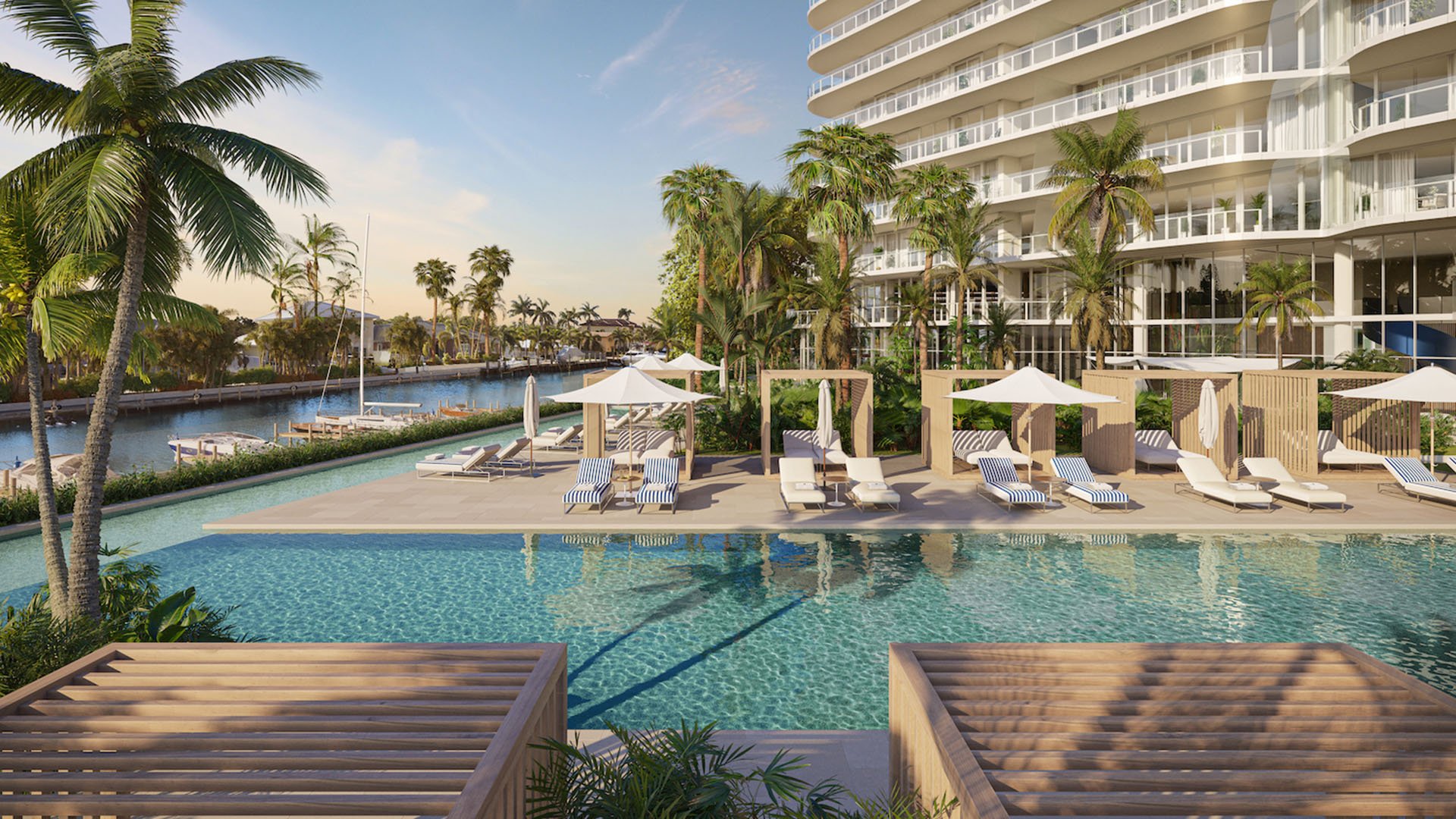
In Pompano Beach, the choice between a large amenity deck and lower-density living is not simply a comparison of features. It is a question of daily rhythm. Some buyers want the feel of a private resort just an elevator ride away, with a pool, loungers, wellness spaces, dining areas, and places to host without opening their own residence. Others want a quieter building culture, fewer shared touchpoints, and a home that feels less like a social campus and more like a private retreat.
Both instincts are valid. The decision becomes sharper when it is framed around how the residence will actually be used. A full-time owner who starts the day with coffee outdoors, works from home, and values a calm elevator ride may read density differently than a seasonal owner who wants effortless entertaining and a resort atmosphere with every visit. Pompano Beach buyers are often comparing not only finishes and views, but how a building will feel at 8 a.m., 4 p.m., and after dinner.
That is why a polished amenity deck can be seductive, but not automatically decisive. Luxury today is not measured by the number of spaces a building can display. It is measured by whether those spaces improve daily life without adding friction.
A large amenity deck is best understood as an extension of the residence. It allows owners to expand their home without maintaining every square foot privately. For buyers who host family, welcome long-weekend guests, or want easy access to outdoor lounging, wellness, and water-facing leisure, the amenity deck can make a condominium feel larger and more complete.
The appeal is strongest when the owner wants flexibility. A private terrace may be ideal for breakfast or a quiet evening, while the amenity level supports larger gatherings, casual afternoons, or a change of scenery. In that context, the residence becomes one layer of the lifestyle, not the entire lifestyle.
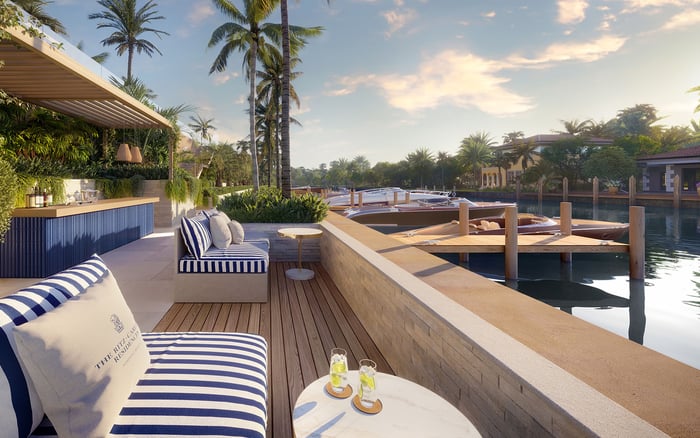
Projects such as The Ritz-Carlton Residences® Pompano Beach sit naturally in this conversation because branded residential buyers often seek a clear service culture and a polished day-to-day environment. The important point is not the label alone. It is whether the building experience supports the owner’s expectations for arrival, privacy, service, and leisure.
A large amenity deck also helps separate functions. Owners can keep the residence serene while using shared spaces for movement, sun, social time, or guests. For some households, that separation is precisely what makes condominium living feel elegant.
Lower-density living speaks to a different definition of refinement. It favors discretion, ease, and a sense of personal territory. The benefit is not only fewer people. It is the perception of less choreography: less waiting, fewer encounters while moving through the building, and a quieter relationship between private life and common space.
For owners who prize stillness, this can matter more than a long amenity menu. Lower floors can be attractive for some buyers when they offer easier comings and goings, a more grounded relationship to the setting, or a simpler daily pattern. Higher views may capture attention, but the best floor is the one that suits the owner’s habits.
Lower-density residences may also appeal to buyers who travel frequently. If the home is used in concentrated periods, the arrival experience becomes especially important. The owner may want to land, settle, and feel immediately at ease, rather than adapt to a larger resort cadence.
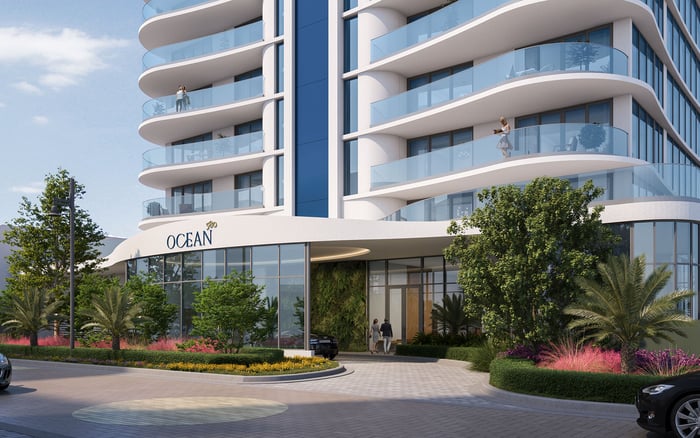
In this category, a buyer looking at Ocean 580 Pompano Beach may be thinking less about spectacle and more about proportion, privacy, and the way a building fits into everyday coastal life. The right answer depends on temperament as much as inventory.
Oceanfront living changes the equation because the setting is already the primary amenity. When the Atlantic is the daily focal point, a buyer may not need every possible shared feature to feel indulged. The view, light, air, and beach proximity can do much of the emotional work.
That does not make amenity decks less relevant. It makes their design and usefulness more important. A water-facing deck that supports quiet reading, swimming, and relaxed hosting can be far more valuable than an oversized program that feels busy. Oceanfront buyers should ask whether the common spaces amplify the water or compete with it.
This is also where private outdoor space becomes central. A generous terrace can shift the balance toward a more private lifestyle, even within a highly amenitized building. If the owner’s favorite moments are morning light, evening breezes, and dinner outside with a small circle, the terrace may matter more than the scale of the deck below.
Pompano Beach buyers considering Armani Casa Residences Pompano Beach are often drawn into a design-forward discussion, but the same practical test applies: how often will the owner use shared amenities versus private space, and which environment will feel better over time?
A large amenity deck often raises the social temperature of a building. That can be a benefit. Owners with visiting children, friends, or extended family may appreciate spaces where guests can enjoy the property without crowding the residence. A well-conceived amenity level can make hosting feel effortless.
Yet not every buyer wants that energy. Some prefer a building where the common areas feel hushed, almost residential in the old-world sense. They may entertain privately, use the beach as the main outdoor room, and value a lobby that feels composed rather than animated.
The distinction is especially important for second-home owners. A property used for restoration should not feel like a schedule. If the owner arrives seeking quiet, the wrong amenity culture can feel intrusive. If the owner arrives seeking convenience and life on property, too little shared programming can feel underwhelming.
For buyers evaluating W Pompano Beach Hotel & Residences, the question may be how a hospitality-inflected environment aligns with personal preference. Some owners want the energy that comes with a hospitality sensibility. Others want the quieter codes of a purely residential mood.
Begin with a personal-use audit. How many days a year will the residence be occupied? Will the owner host often? Is the home meant to be a primary residence, a seasonal base, or a flexible coastal address? Does the owner prefer spontaneous social spaces or a more controlled private environment?
Then test the building through movement. Consider the arrival sequence, elevator experience, pool access, outdoor flow, and the distance between private and shared spaces. Luxury weakens when the owner must negotiate the property every day. It strengthens when the building seems to anticipate the owner’s habits.
Finally, separate visual desire from lived desire. A dramatic deck may photograph beautifully, while a quieter residence may live better. Conversely, a restrained building may feel elegant on paper but too limited for a household that wants energy, guests, and options.
For some buyers, Waldorf Astoria Residences Pompano Beach will belong in the branded, service-oriented frame. For others, a more intimate expression may be the more enduring luxury. The right choice is the one that preserves the owner’s preferred pace.
Is a large amenity deck always better in Pompano Beach? No. It is better for buyers who will actively use shared leisure, wellness, and hosting spaces.
Who should prioritize lower-density living? Buyers who value privacy, quiet circulation, and a more residential atmosphere should give it serious weight.
Does oceanfront living reduce the need for amenities? Sometimes. A strong ocean setting can make private terraces and beach access feel more important than amenity volume.
Should second-home buyers choose more amenities? It depends on use. Frequent guests and family visits may favor amenities, while restorative escapes may favor calm.
Is a private terrace more valuable than a shared deck? For some owners, yes. Private outdoor space can be the most used amenity in the entire property.
Are lower floors a compromise in luxury condos? Not necessarily. Some buyers prefer easier access, a grounded feel, or less dependence on vertical movement.
How should buyers compare pool areas? Look beyond size. Consider privacy, sun exposure, seating, guest flow, and how the space feels when occupied.
Do branded residences change the decision? They can. A branded setting may add service expectations, but the lifestyle fit still matters most.
What is the biggest mistake buyers make? Choosing the longest amenity list without asking whether those spaces match their daily routine.
What should a Pompano Beach buyer decide first? Decide whether the home should feel like a private retreat, a resort environment, or a balanced version of both.
If you'd like a private walkthrough and a curated shortlist, connect with MILLION.
If branded residences are on your mind — as a home or as an allocation — we would be glad to share what we are seeing, privately.
Begin a quiet conversation