For Surfside buyers with a wine collection, closing readiness means looking beyond the amenity description. Verify backup-power coverage, delivery responsibilities and climate-monitoring records within the purchase contract’s deadlines.
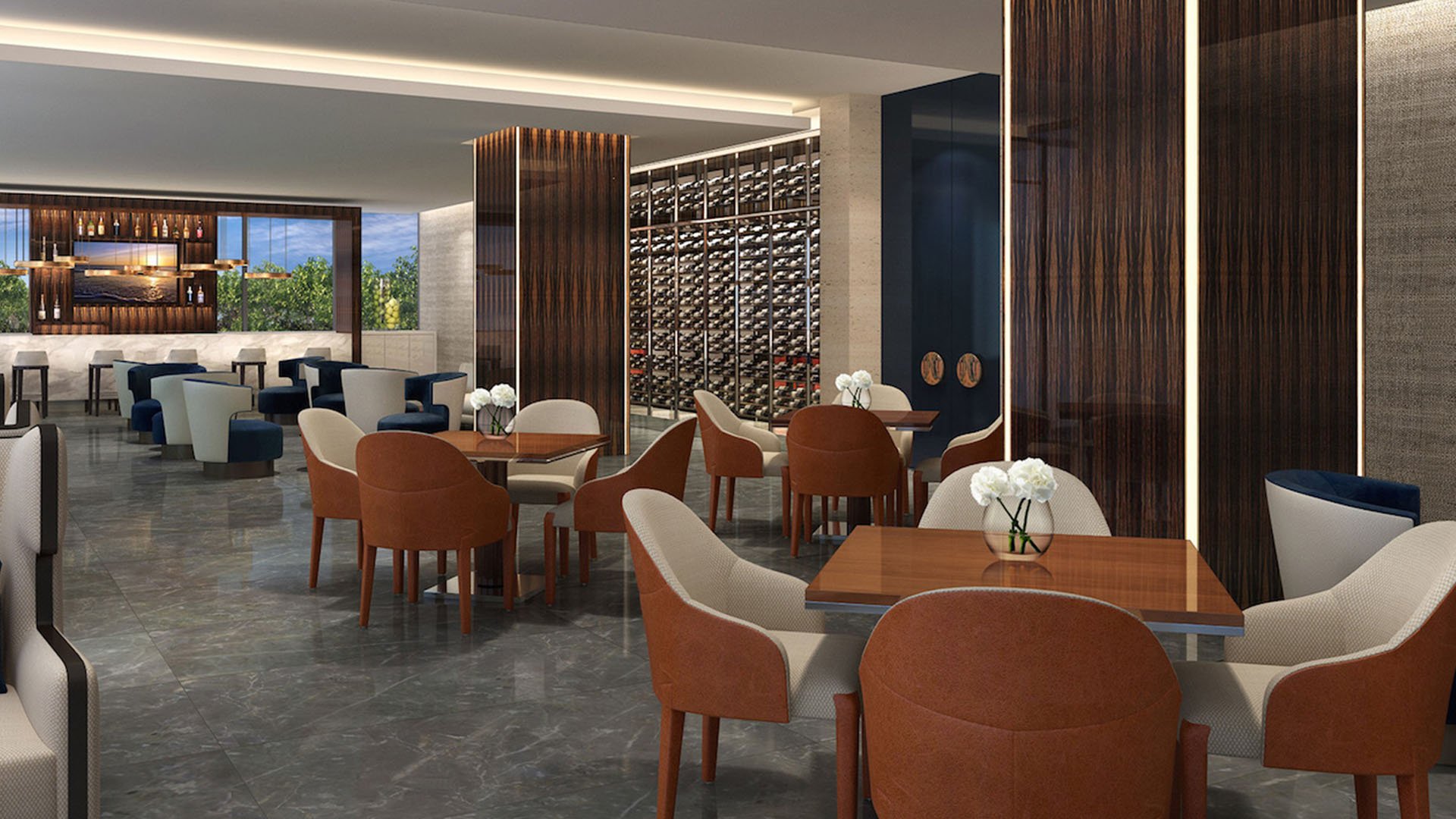
For a collector purchasing in Surfside, a wine-storage amenity merits the same disciplined review as any feature central to the purchase. The room may be beautifully presented, but closing readiness rests on less visible questions: what stays powered during an interruption, who accepts a delivery, and which records demonstrate climate performance over time.
At Arte Surfside, 8955 Collins Avenue, climate-controlled wine storage is advertised. That description establishes neither backup-power coverage nor monitoring history. Buyers should treat the amenity and its operational verification as separate matters, rather than allowing one to stand in for the other.
A useful closing file is more than a collection of assurances. It provides a written account of the storage arrangement, supporting technical information where available, and a clear record of unresolved questions.
Florida does not impose a universal real-estate due-diligence period. Buyers and sellers negotiate the timeframe in their purchase contract. Residential contracts commonly allow approximately 10-15 days for inspections, but the actual agreement governs, including its notice requirements and deadlines.
Association records follow a different timetable. Official condominium records generally must be available for inspection by association members or their authorized representatives at reasonable times, and generally within 10 working days after the board or its designee receives a written request. This is not an unrestricted inspection right for every prospective buyer.
Ask counsel to coordinate access promptly through the seller or an appropriately authorized representative. Do not assume the records-access window will fit within the inspection period or extend it. If wine-storage verification is material to the purchase, discuss the necessary contractual protections before the relevant deadline. An informal promise to provide documents later is no substitute.
The first power question is not whether the building has a generator. It is whether the equipment serving the particular wine-storage space connects to emergency power-and what that connection actually supports.
Request written clarification identifying the storage equipment and its backup arrangement. Where available, ask for circuit documentation, relevant maintenance records and testing information. Have a qualified professional assess whether those materials support the stated coverage, including any separate controls or monitoring equipment on which the system depends.
Ask whether transfer to backup is automatic, whether an interruption requires a manual restart, and who is responsible for restoring normal operation. Establish what testing has demonstrated rather than treating the presence of a generator as evidence of uninterrupted storage conditions.
Surfside’s Ordinance No. 2022-1731 amends Section 90-67 concerning emergency power generators. That ordinance does not prove that a particular wine-storage circuit receives backup power. Keep the regulatory question separate from equipment-specific verification.
A display observed during a tour establishes little about past performance. Request available temperature and humidity histories for the relevant storage area, along with an explanation of the period covered, sensor locations and any gaps in recording.
Ask management to identify the system’s documented operating parameters and alarm settings. Do not substitute a generic numerical target for the specifications of the actual installation. Where appropriate, have a wine-storage specialist review those specifications alongside the collection’s requirements.
The most useful review connects readings to actions. Request available alarm histories, service records and explanations of excursions outside the documented range. Ask who receives alerts, who responds outside normal staffing hours, and whether monitoring continues during a power or communications interruption.
For buyers also considering Fendi Château Residences Surfside, apply the same evidence standard to any storage arrangement proposed during negotiations. This is a due-diligence framework, not a statement that the property offers a particular wine amenity or monitoring system.
An absent log is an unresolved verification issue, not proof of equipment failure. Record that distinction and decide with your advisers whether additional inspection, written clarification or another storage plan is needed.
Storage readiness and delivery readiness are separate questions. Before arranging a collection’s arrival, request the building’s current written procedures and confirmation that they apply to the proposed shipment.
Ask about permitted delivery hours, advance notice, loading access and any elevator reservation requirements. Establish who may accept the shipment, whether owner authorization is needed, and where cases would wait before reaching their intended storage location.
Do not presume that receiving space is temperature controlled or that staff will move wine into storage. Clarify responsibility for each handoff, what happens if the owner is absent, and how a delay, refused delivery or damaged package would be handled. Obtain contact details for the person coordinating arrival.
A buyer evaluating The Surf Club Four Seasons Surfside should likewise request property-specific confirmation. A service-oriented residential setting does not, by itself, establish wine-delivery procedures. No particular receiving hours, handling arrangements or storage conditions should enter the closing plan without confirmation.
A focused amenity review belongs within the broader condominium investigation. Review the declaration and amendments, bylaws and current rules to understand the rights and restrictions relevant to the storage arrangement. Ask whether the proposed use involves an assigned space, a shared facility or equipment within the residence, and obtain documentation supporting the answer.
Examine the current budget, recent financial statements and reserve information. Request recent board and owner meeting minutes, and review pending or approved assessments, insurance information and litigation. Ask counsel and the insurance adviser to clarify responsibility for the storage equipment and the collection; do not assume the same coverage applies to both.
Request engineering reports, applicable milestone-inspection or recertification records, and the Structural Integrity Reserve Study where applicable. Property inspections should also address moisture intrusion, mold associated with high humidity, hurricane damage and inadequate storm preparations. An attractive storage installation does not replace this wider review.
Before the contractual review window ends, organize the file into three categories: documented facts, statements awaiting support and unresolved matters. For each material item, identify who must respond and when. Written answers are most useful when they address the specific space and equipment being purchased or used.
If backup coverage, climate history or receiving arrangements remain uncertain, discuss the implications with counsel and the appropriate technical adviser. Do not treat a future service promise as an existing operating record. Consider keeping the collection elsewhere until the intended arrangement has been adequately assessed.
The objective is not an elaborate dossier for its own sake. It is a residence whose practical arrangements are as considered as its interiors, with the collection’s arrival planned rather than assumed.
For a considered approach to Surfside ownership, explore MILLION.
If branded residences are on your mind — as a home or as an allocation — we would be glad to share what we are seeing, privately.
Begin a quiet conversationNo. An amenity description does not establish which equipment receives emergency power or how it performs during an outage.
Arte Surfside is advertised as offering climate-controlled wine storage. That description does not establish its backup-power coverage or monitoring history.
There is no universal period; the purchase contract governs. Residential contracts commonly provide approximately 10–15 days for inspections, but buyers must follow their actual agreement.
The general records-access guidance covers association members and their authorized representatives. Buyers should coordinate access through the seller or an appropriately authorized representative with counsel’s assistance.
Records generally must be made available within 10 working days after the board or its designee receives a written request. Buyers should not assume this extends their contractual inspection deadline.
Request equipment-specific confirmation, available circuit documentation, and relevant maintenance and testing records. A qualified professional should assess whether those materials support the claimed coverage.
Request available temperature and humidity histories, documented operating parameters, alarm settings, service records and explanations of recording gaps or excursions. Clarify who receives alerts and responds to them.
Confirm delivery hours, notice requirements, loading access, elevator reservations and acceptance authority. Also establish where wine waits and who handles each transfer to storage.
No. The ordinance index entry concerning emergency generators does not establish that a particular wine-storage system is connected to backup power.
Review governing documents, financial information, meeting minutes, assessments, insurance and litigation. Request engineering and applicable inspection records, plus the Structural Integrity Reserve Study where applicable.