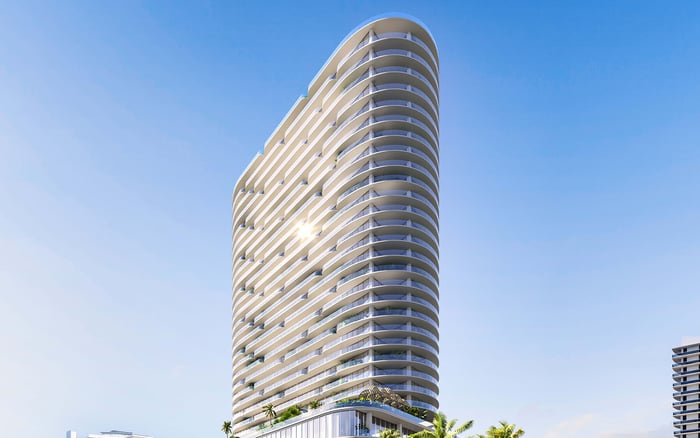
At Five Park, penthouse value depends on more than elevation and views. Recorded roof boundaries, mechanical adjacencies, elevator infrastructure, maintenance duties, and service-access rights can shape privacy, control, cost, and future improvements.
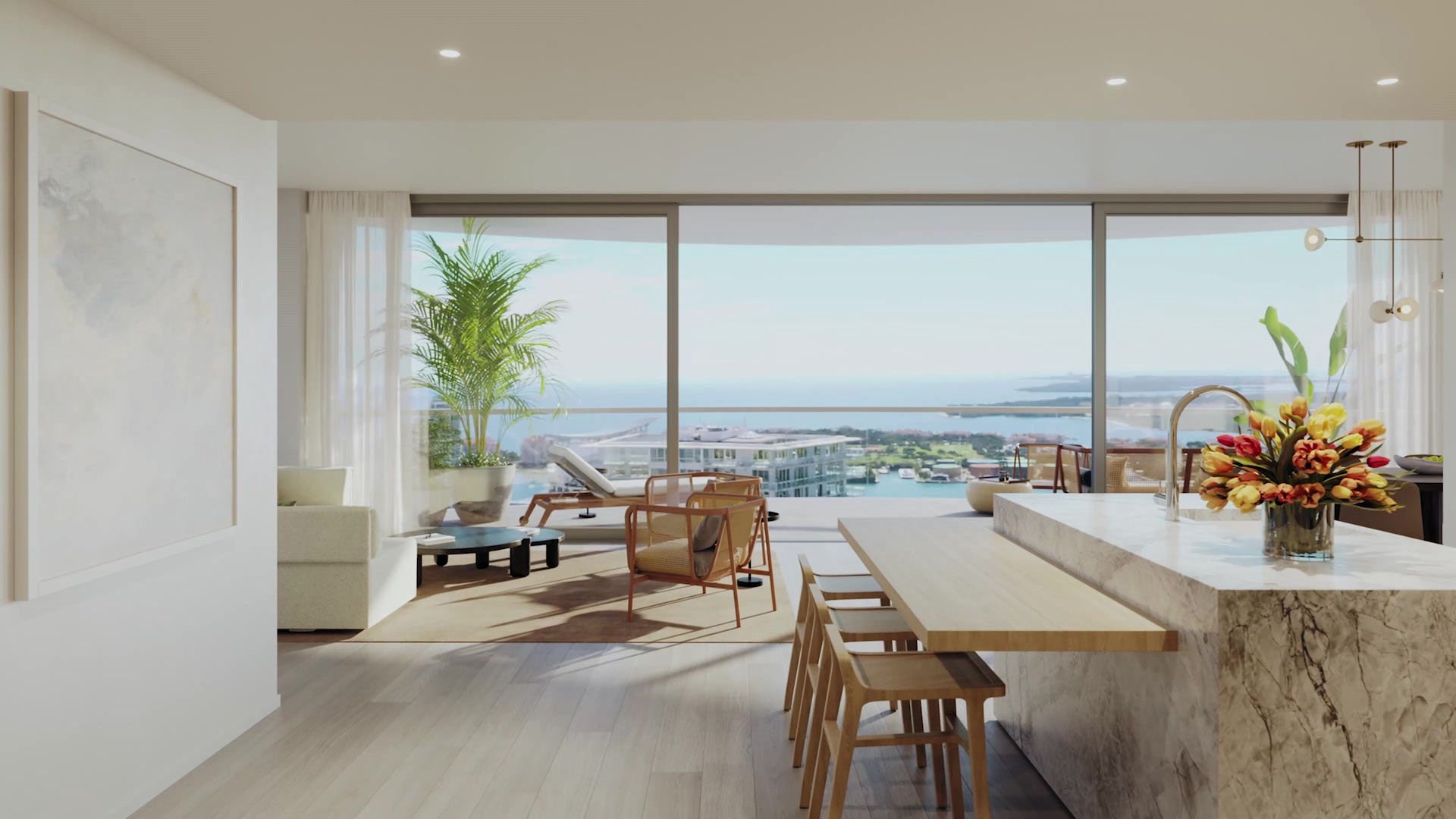
At Five Park Miami Beach, expansive views, proximity to the park, private lobbies, and elevator banks create a compelling arrival. Yet the most consequential penthouse attributes may be less visible. They reside in the recorded declaration, boundary exhibits, roof plans, mechanical drawings, elevator documents, easements, and maintenance provisions.
Five Park is a luxury condominium tower in Miami Beach developed by Terra and GFO Investments. Its last available penthouse reportedly sold for $18.5 million, underscoring how much value can rest on unit-specific rights and physical conditions. At that level, the buyer is not simply purchasing volume and outlook, but a defined bundle of property rights alongside carefully allocated obligations.
Private access is not the same as ownership, control, or freedom from service access.
A rooftop associated with a condominium residence can fall into three materially different categories: it may sit within the recorded unit boundaries, remain a common element, or be designated as a limited common element for the exclusive use of a particular owner.
A roof deck included within the unit generally provides the strongest ownership position. Even then, the declaration, rules, structural limits, waterproofing requirements, and applicable law may restrict alterations. A pool, pergola, outdoor kitchen, elevator extension, or substantial landscaping installation should not be valued as an assured possibility until approvals and structural capacity are verified.
A common-element roof remains under association control, even if the penthouse has convenient or apparently private access. A limited common element can provide exclusive use without transferring ownership or granting control over structural repairs. An easement may provide access while preserving association rights beneath, above, or across the space.
The correct inquiry, therefore, is not whether a terrace is marketed as private. Counsel should mark every roof surface on the recorded exhibits as unit property, common element, limited common element, or easement area, then connect each classification to the maintenance language. Exclusive access alone does not determine responsibility for waterproofing, drainage, railings, structural work, or damage caused by owner improvements.
High-floor serenity depends partly on what occupies the roof, service zones, and adjacent rooms. Fans, pumps, exhausts, intakes, equipment rooms, access doors, and service routes may be entirely appropriate building infrastructure, yet their position relative to bedrooms, baths, living areas, and outdoor spaces can affect the residential experience.
Buyers should request the latest architectural, mechanical, structural, and roof drawings for the specific unit. The review should map each system against walls, ceilings, sleeping spaces, and terraces. It should also identify technicians’ routes, whether they may cross a vestibule or roof deck, and the notice procedures governing entry.
Plans tell only part of the story. Rooms and outdoor areas near building systems should be experienced at different times to assess noise, vibration, airflow, odors, and service traffic. This is especially important when quiet bedrooms or formal entertaining zones share a boundary with infrastructure. Design and architectural decisions inside the residence may mitigate some conditions, but they do not rewrite access rights or relocate common equipment.
A private elevator arrival creates exclusivity at the threshold, not necessarily ownership of the system behind it. The shaft, controller space, machine room, and overrun may remain building infrastructure, regardless of how private the lobby feels.
Miami Beach treats elevator shafts, stairwells, and mechanical chutes as vertical building systems in its floor-area framework. Elevators are also subject to statutory inspection, safety, maintenance, and regulatory requirements under Florida Chapter 399. Even elevators within private residences remain regulated systems.
For a penthouse buyer, the practical questions are spatial and contractual. Where is the overrun relative to the residence? Is controller or machine space adjacent to a bedroom or entertaining area? Who may enter for inspection, repair, or emergency work? Can technicians reach the system without crossing private living space? Which party handles maintenance, and how are losses or damage allocated among the association, building owner, contractor, manufacturer, and residence owner?
The answers should be reconciled across the declaration, elevator plans, service agreements, rules, and insurance materials. A polished private lobby does not provide them.
These issues are not unique to one tower. Buyers considering Apogee South Beach, Shore Club Private Collections Miami Beach, or The Ritz-Carlton Residences® Miami Beach should apply the same unit-specific framework rather than infer rights from project positioning.
The comparison should focus on substance: recorded boundaries, exclusivity, alteration authority, repair responsibility, technician access, equipment adjacency, and the clarity of governing documents. Two residences with similarly impressive views may offer markedly different levels of rooftop control and operational privacy.
Begin with the recorded declaration, amendments, plats, boundary exhibits, rules, insurance materials, easements, and roof-maintenance provisions. Counsel should prepare a marked exhibit showing precisely where the unit ends and association-controlled areas begin.
Next, retain appropriate technical advisers to review current architectural, mechanical, roof, structural, and elevator drawings. Map equipment and access routes to the residence, then inspect the relevant rooms and exterior areas under varied operating conditions.
The purchase review should resolve five points in writing:
Whether each roof area is owned, exclusively usable, shared, or subject to access rights.
Who controls alterations and who pays for waterproofing, drainage, railings, and structural repairs.
Whether proposed improvements are permitted and structurally feasible.
Where elevator and mechanical infrastructure sits relative to sensitive rooms.
How technicians gain access, what notice is required, and who bears responsibility for resulting damage.
For waterfront buyers, this level of scrutiny is not contrary to an emotional purchase. It protects the calm, privacy, and flexibility that make the residence desirable in the first place.
The strongest penthouse proposition aligns visual privilege with legal clarity and technical separation. Roof rights should be legible, maintenance obligations deliberate, service access controlled, and infrastructure understood before a buyer assigns value to future improvements or absolute privacy.
At Five Park, the view may establish the first impression. The documents and plans determine how completely the owner can command the space. Investment judgment is strongest when every apparent privilege can be traced to an enforceable right and every hidden adjacency has been tested.
For confidential guidance on South Florida’s most exceptional residences, connect with MILLION.
If branded residences are on your mind — as a home or as an allocation — we would be glad to share what we are seeing, privately.
Begin a quiet conversationNo. The roof may be unit property, a common element, a limited common element, or an easement area, each with different rights and duties.
A roof deck located within the recorded unit boundaries generally creates the strongest position, although alterations can still require approvals.
The condominium association controls a common-element roof, even when a penthouse has convenient or apparently private access.
It can provide exclusive use to a designated owner without transferring ownership or full control over structural work and major decisions.
That depends on the declaration and maintenance provisions. Exclusive access alone does not establish responsibility or control.
Nearby fans, pumps, exhausts, intakes, equipment rooms, and service routes can affect noise, vibration, airflow, odors, privacy, and traffic.
Not necessarily. The shaft, controller space, machine room, and overrun may remain association or building infrastructure.
Yes. Florida Chapter 399 imposes inspection, safety, maintenance, and other regulatory requirements, including provisions relevant to private residences.
Request current architectural, mechanical, roof, structural, and elevator drawings for the specific residence.
Confirm ownership rights, governing-document approvals, structural capacity, waterproofing responsibility, drainage, access requirements, and damage allocation.