Paying cash removes a lender’s insurance conditions, not Key Biscayne’s physical exposure. Affluent buyers should price wind, flood, and hurricane deductibles property by property before closing.
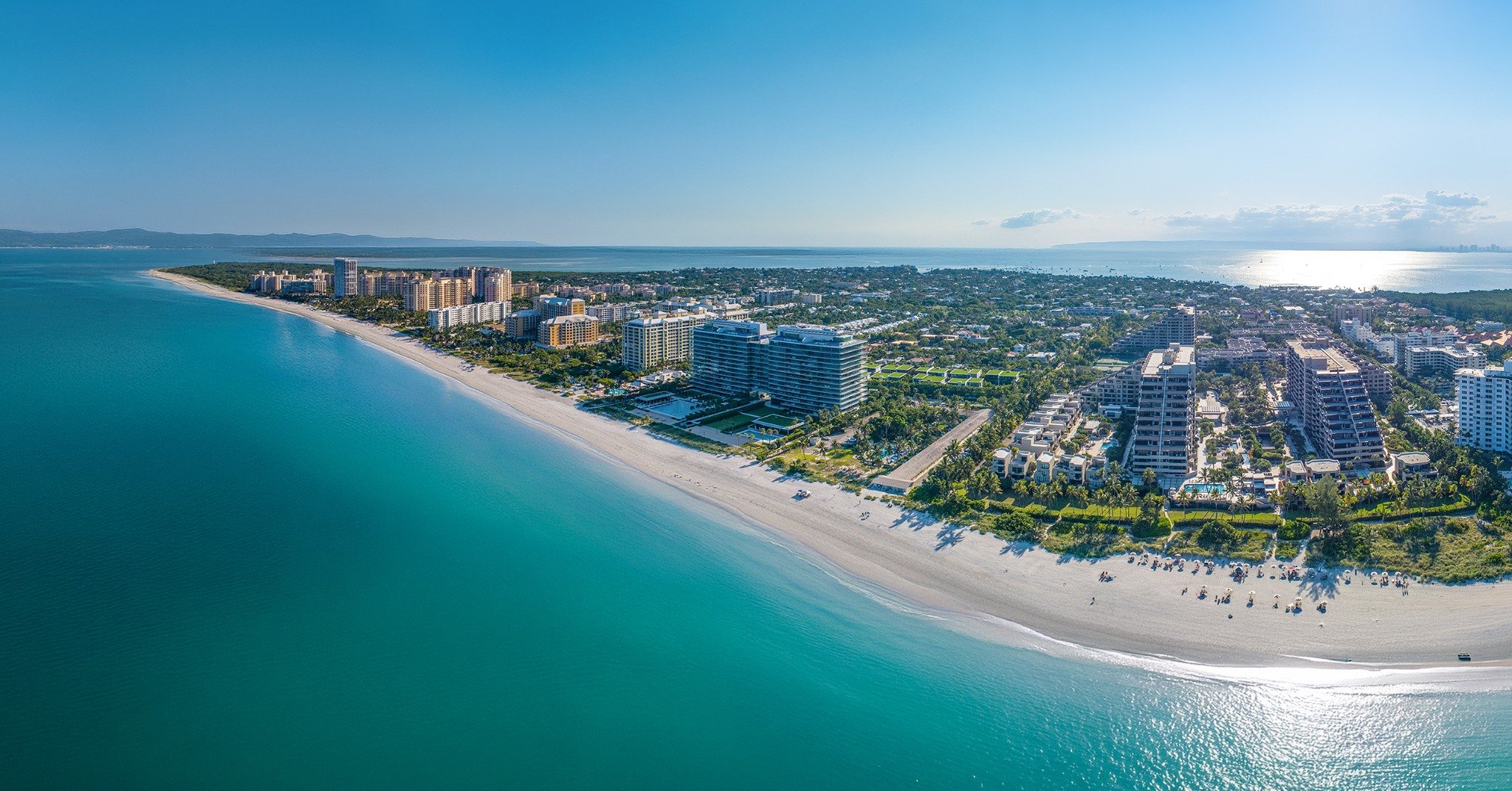
A cash closing in Key Biscayne can feel exceptionally clean: no lender approval, no mortgage contingency, and no bank-imposed insurance condition. Yet the absence of financing does not change the island’s exposure to wind or flooding. It simply transfers the decision-and any potential uninsured loss-entirely to the owner.
Florida does not generally compel an owner to purchase homeowners or windstorm insurance. Residential property insurers generally must provide windstorm coverage, subject to statutory exceptions, but availability, exclusions, limits, and eligibility still demand careful review. A condominium association’s documents, Citizens eligibility rules, or another contractual obligation may also shape the practical decision.
For MILLION’s Buyer's Guides audience, this distinction is especially relevant to Waterfront acquisitions, Second-home purchases, Investment holdings, and Estates & Single-Family properties. Cash is a negotiating instrument, not a substitute for risk transfer.
Standard homeowners insurance does not ordinarily cover flooding. A coastal owner will generally need a separate flood policy alongside homeowners or wind coverage. Because Key Biscayne lies in a floodplain, buyers should obtain a property-specific flood quote before closing, even when no federally backed lender is involved.
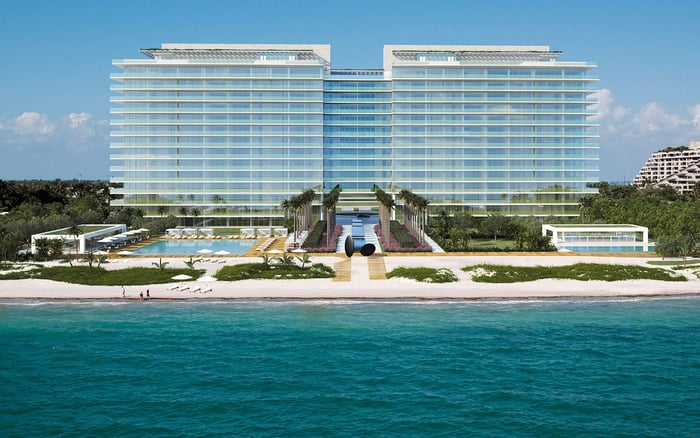
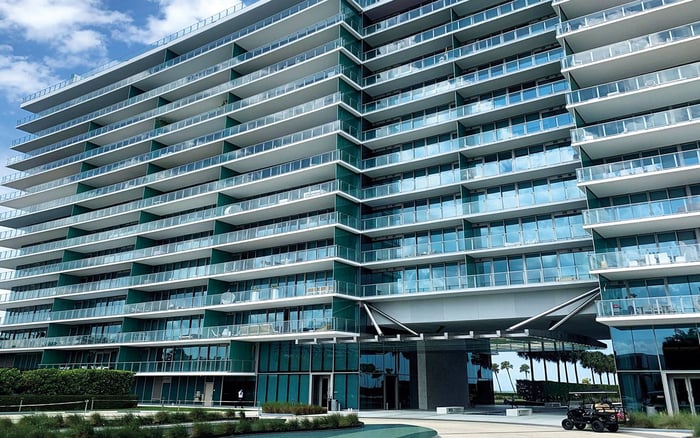
Do not rely on a neighborhood-level assumption. Verify the parcel’s current flood-hazard designation, proposed limits, exclusions, valuation basis, and retained risk. For a condominium purchase such as Oceana Key Biscayne, review the association’s coverage and the owner’s policy together. Neither should be presumed to eliminate every gap affecting the residence, improvements, or personal property.
The same discipline applies when comparing other coastal residences, including Eighty Seven Park Surfside and The Ritz-Carlton Residences® Miami Beach. A project name or construction category does not answer a property-specific insurance question. Policy language does.
A cash buyer may have no lender demanding flood insurance, but Citizens requirements can create a separate coverage condition. Citizens began requiring flood insurance for new policies with wind coverage in FEMA-designated special flood hazard areas on April 1, 2023, and for renewals beginning July 1, 2023.
Effective January 1, 2024, that requirement expanded to new and renewing policies with wind coverage for dwellings carrying replacement costs of $600,000 or more. The phase-in is scheduled to encompass all covered structures, regardless of value, by 2027.
The practical point is simple: “no mortgage requirement” does not always mean “no flood-policy requirement.” If Citizens forms part of the proposed insurance structure, confirm its current rules for the specific property before the deposit becomes nonrefundable, then recheck them near closing.
In high-risk South Florida locations, separate wind or hurricane deductibles commonly range from 1% to 5% of the insured dwelling value rather than a fixed dollar amount. The percentage may look modest on a declarations page, but its dollar impact rises with the coverage limit.
For illustration only, a 2% deductible applied to a $5 million insured dwelling value equals $100,000. At 5%, it equals $250,000. These figures are neither premium estimates nor quotations; they demonstrate why a sophisticated buyer should evaluate the deductible as retained capital at risk.
Florida’s personal-lines hurricane deductible applies annually to covered hurricane losses during the calendar year under policies issued by the same insurer or insurer group. If deductibles apply separately to multiple structures, an owner may face one for the main residence and another for a guesthouse or other insured structure. Request the dollar amount, trigger, aggregation treatment, and structure-by-structure application in writing.
Wind mitigation can influence underwriting, premium credits, and deductible reductions, but the benefit depends on inspection-verified features and the insurer’s rules. A seller’s description of a home as “hurricane-ready” is not enough.
Approved panels, shutters, and impact-resistant windows and doors may qualify as opening protection. Roof age, condition, and attachment can also materially affect underwriting. One coastal benchmark is that carriers commonly seek roofs under 20 years old, in good condition, and properly strapped down, although the relevant carrier must evaluate the property itself.
Before closing, obtain the available wind-mitigation inspection, roof permits and records, and documentation for opening protection. Compare those materials against the insurance application. For buyers considering The Residences at Six Fisher Island as part of a broader coastal search, the same principle holds: physical resilience matters only when it is documented and recognized in underwriting.
The most useful pre-closing package is concise yet specific. It should identify flood-hazard status, flood and wind quotations, policy limits, wind exclusions, replacement-cost assumptions, hurricane-deductible percentages and dollar values, and any Citizens flood requirement. For condominiums, include relevant association documents and master-policy information. For detached homes, address every insured structure.
Quotes and eligibility can change, so refresh them for the exact property and intended closing date. The goal is not merely to secure a policy. It is to understand which losses are transferred, which remain with the owner, and how much liquidity a storm could require.
Does paying cash eliminate the need for insurance? It removes lender-imposed conditions, but the owner personally absorbs any uninsured wind, hurricane, or flood loss.
Is homeowners insurance legally required in Florida? Florida does not generally require owners to purchase homeowners or windstorm insurance, though contractual or eligibility rules may still apply.
Does a standard homeowners policy cover flooding? Ordinarily, no. Coastal owners generally need a separate flood policy in addition to homeowners or wind coverage.
Is all of Key Biscayne exposed to flood considerations? Key Biscayne lies in a floodplain, but buyers should verify the current designation and quote for the specific parcel.
Can Citizens require flood insurance without a mortgage? Yes. Citizens’ requirements can apply to policies with wind coverage independently of a lender’s conditions.
How large is a typical wind or hurricane deductible? In high-risk South Florida areas, separate deductibles commonly range from 1% to 5% of the insured dwelling value.
Is Florida’s hurricane deductible charged for every storm? The personal-lines hurricane deductible applies annually to covered hurricane losses under policies from the same insurer or insurer group.
Can multiple structures create multiple deductibles? Yes. When a policy applies deductibles separately, each insured structure may carry its own charge.
Do impact windows automatically reduce the premium? Not automatically. Any savings depend on inspection verification and the insurer’s underwriting treatment.
What should a buyer confirm before closing? Confirm flood status, policy limits, wind exclusions, replacement-cost assumptions, deductible dollars, mitigation credits, and current Citizens requirements.
For a tailored shortlist and next-step guidance, connect with MILLION.
If branded residences are on your mind — as a home or as an allocation — we would be glad to share what we are seeing, privately.
Begin a quiet conversation