A waterfront closing in Bal Harbour should test the entire service sequence, from the residence door to the terminal curb. Buyers should pair realistic airport benchmarks with motor-court observations, event-week operating plans, driver-staging rules, and written absentee-owner protocols.
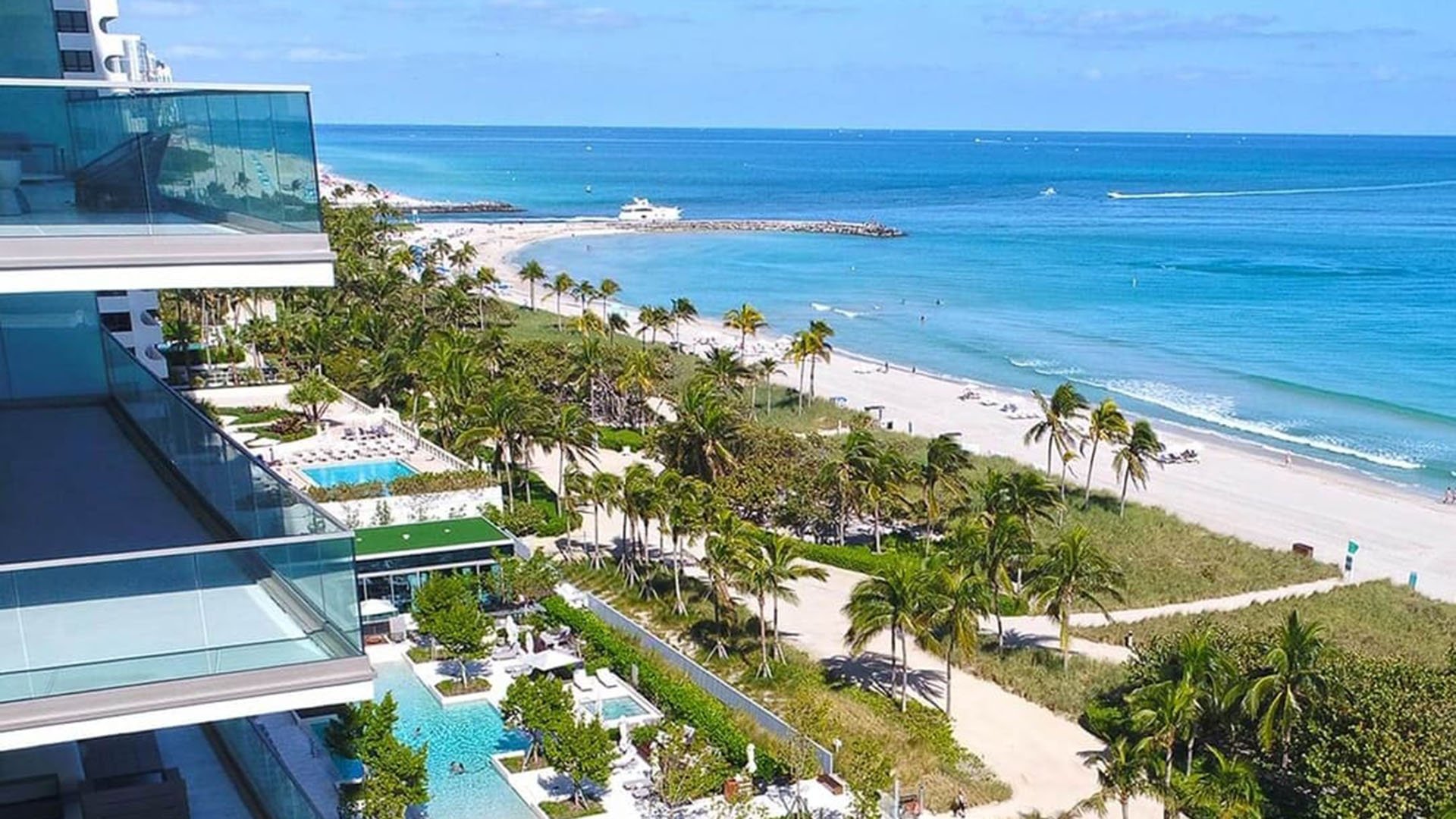
A Bal Harbour waterfront residence may feel exceptionally close to Miami’s private aviation, international routes and cultural calendar. Yet a map estimate captures only the car in motion. For a buyer, the relevant measure is the full interval from the residence door to the terminal curb, including elevator time, vehicle retrieval, motor-court circulation, roadway travel and airport-terminal access.
For Miami International Airport, uncongested estimates commonly fall between 25 and 27 minutes, depending on the precise Bal Harbour endpoint. The average ride benchmark is closer to 35 minutes. A standard transfer may take roughly 30 to 40 minutes, while weekday rush periods around 7 to 9 a.m. and 4 to 6 p.m. can extend the trip to 45 to 50 minutes before valet, security or terminal delays.
These figures are not contradictory. They reflect different conditions and, in some cases, different endpoints or routes. Mileage estimates also vary from about 15 to 19 miles. Prudent closing analysis should therefore separate four intervals: requesting the vehicle, reaching the car, clearing the property and driving to the chosen terminal.
The number that matters is the complete interval from residence door to terminal curb.
Small location differences can affect a tightly timed departure. Under normal conditions, estimates are approximately 25 minutes from Bal Harbour Shops and the St. Regis area to MIA, compared with about 27 minutes from the Ritz-Carlton area. An exact-property test is therefore more useful than a generalized Bal Harbour promise.
Ask the concierge or regular drivers for time-stamped records covering the buyer’s customary travel windows. A frequent 7 a.m. departure, a Friday afternoon arrival and a late-night international pickup each test a different part of the system. Ideally, conduct at least one live test from the unit itself, with luggage, using the transportation arrangement the household expects to retain.
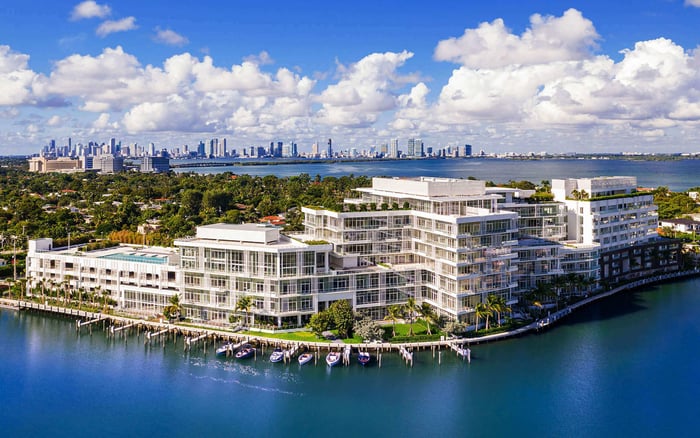
The same discipline applies when evaluating Oceana Bal Harbour or Rivage Bal Harbour. The question is not which name offers the most elegant arrival experience, but whether that arrival sequence remains predictable during the owner’s actual travel hours.
Fort Lauderdale-Hollywood International Airport can be a practical alternative, but it also warrants a complete test. Bal Harbour-to-FLL estimates range from approximately 27 to 39 minutes, while a trip from FLL to the Ritz-Carlton area has been estimated at about 18 miles and 25 minutes. The nonstop drive between Bal Harbour and central Fort Lauderdale is approximately 20 miles and 33 minutes, before airport-terminal circulation.
Compare MIA and FLL at matching departure hours rather than treating the airports as static choices. Route preference, airline schedule, terminal location and the time required to clear the building may change the answer. A buyer who alternates between commercial and chauffeured travel should test both operating patterns.
For households also considering nearby oceanfront options, The Surf Club Four Seasons Surfside and The Delmore Surfside offer distinct property-specific comparisons. Measure each candidate from its own residence door, not from a neighborhood pin.
Event weeks demand a different standard of diligence. There is no reliable universal travel-time multiplier for Art Basel, F1, holiday periods or New Year’s traffic. Conditions depend on the hour, route, security controls, venue activity and the building’s own response.
Request actual building logs from comparable dates if management maintains them. Ask how staffing changes, whether resident and hotel traffic share a lane, whether deliveries are restricted and whether the property communicates departure advisories. If historical logs are unavailable, request the written operating plan and speak with the head of security, valet manager or concierge responsible for its execution.
A useful question is not simply, “How long does the airport take?” Ask what happens when several residents request cars simultaneously, a ride-share vehicle blocks the approach or a private driver arrives before the passenger. The resilience of the protocol matters more than a best-case anecdote.
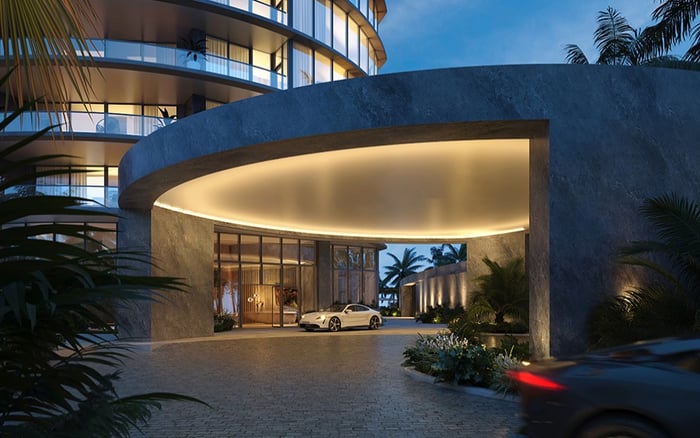
Treat driver staging as part of the residence’s infrastructure. Confirm where a private car may wait, how long it may remain, whether the driver needs advance registration and how staff identify the correct vehicle. Determine whether ride-share pickups use the same position as resident vehicles and whether guests, vendors, hotel patrons or retail visitors compete for the same curb.
Ask management to demonstrate the sequence during a busy period. Observe visibility, turning movements, pedestrian crossings and the path from the residential elevators to the vehicle. Confirm whether residents have a separate lane or dispatch channel and how procedures change during holiday or event surges.
Document the household’s own practices as well. Decide who requests the car, how luggage is transferred, whether a driver can collect keys and who is authorized to receive an arriving family member. Discretion depends on repeatable instructions, not informal familiarity with a single valet attendant.
For a second-home owner, lock-and-leave service is not a single amenity. It is a chain of inspections, permissions and escalation steps. Request the written procedures for scheduled unit checks, package handling, HVAC and leak monitoring, water shutoff, vendor entry, access logs and post-storm reporting.
Clarify frequency, scope and documentation. Does each inspection produce a dated record? Who is contacted first if moisture, temperature or power conditions fall outside expectations? Can management admit a housekeeper, art handler or maintenance specialist, and does the owner receive a record of entry and departure?
Storm readiness deserves separate attention. Verify whether the specific residence is protected by impact glass or shutters. If shutters exist, determine who deploys and removes them for an absent owner. Request a precise schedule of generator-backed functions, including which elevators, security systems and residential loads continue operating during an outage. Do not assume that “generator power” means the residence operates normally.
Short-term-rental rules can influence far more than income flexibility. Turnover frequency may affect lobby traffic, credentialing, elevator demand and the consistency of resident services. Review the condominium documents, management policies and any operational restrictions relevant to occupants, guests and service providers.
Waterfront and oceanfront ownership also places greater weight on coordinated care during prolonged absences. Confirm insurance responsibilities with the appropriate advisers, then align the owner’s private staff with building procedures. The objective is a clear division of responsibility among management, household employees and approved vendors.
Before funds are released, assemble a concise operating file: live airport-test results, time-stamped building records, event-week procedures, driver-staging rules, motor-court observations, absentee inspection terms, storm protocols, generator coverage and access-control policies. Include names and escalation contacts for concierge, valet, security and management, while recognizing that personnel may change.
The best Bal Harbour closing diligence protects time as carefully as title. A residence should perform with equal composure on an ordinary morning, during a major event and after weeks without its owner in occupancy.
For discreet guidance on evaluating a Bal Harbour waterfront residence, consult MILLION.
If branded residences are on your mind — as a home or as an allocation — we would be glad to share what we are seeing, privately.
Begin a quiet conversationUncongested estimates are about 25 to 27 minutes, while an average ride benchmark is closer to 35 minutes. Peak weekday guidance can reach 45 to 50 minutes before building and terminal delays.
Roadway time excludes elevators, vehicle retrieval, motor-court circulation and terminal access. The complete interval better reflects the household’s actual travel experience.
Yes. Bal Harbour-to-FLL estimates range from approximately 27 to 39 minutes, so both airports should be tested at the buyer’s customary departure hours.
Request time-stamped trip records for comparable weekdays, rush periods and major event dates. The records should distinguish vehicle-request time from roadway travel.
No universal estimate is supported for Art Basel, F1, holiday weeks or New Year’s. Buyers should rely on property-specific logs and written operating plans.
Confirm where drivers wait, how long they may remain, whether preregistration is required and whether private cars share space with ride-share, guest or hotel traffic.
It should address inspections, packages, HVAC and leak monitoring, water shutoff, vendor access logs, escalation contacts and post-storm reporting.
Verify impact glass or shutters, responsibility for shutter deployment and the exact elevators, security systems and residential loads supported by generator power.
Turnover policies may affect lobby traffic, access control, elevator demand and service consistency. Buyers should review governing documents and management procedures.
Include airport tests, event procedures, staging rules, motor-court observations, absentee-care terms, storm protocols, generator coverage and key escalation contacts.