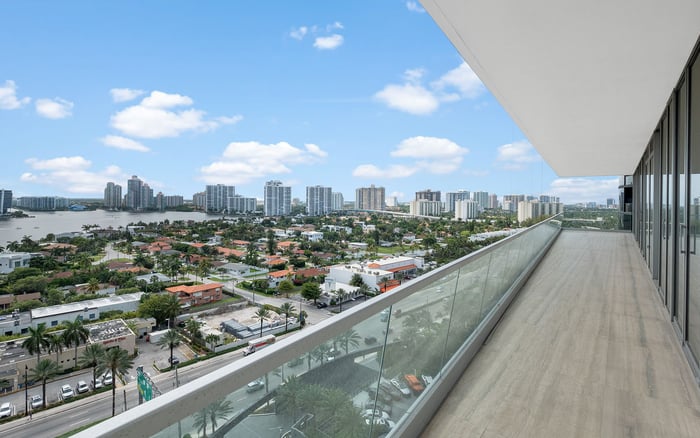
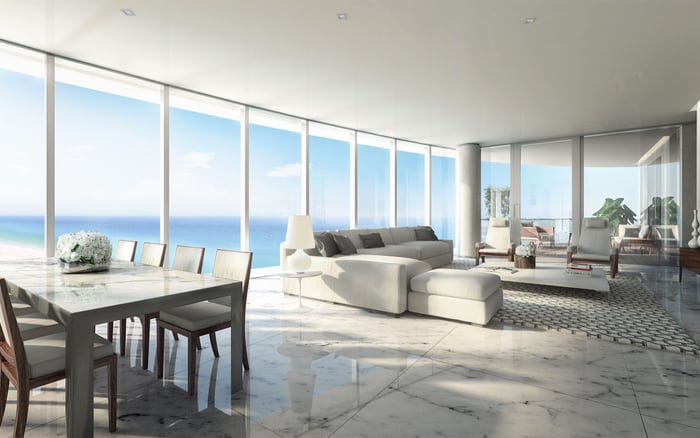
At Turnberry Ocean Club, disciplined due diligence connects any assessment exposure to defined repairs, competitive bids, funding approvals, collections, and the unit-level estoppel before closing.
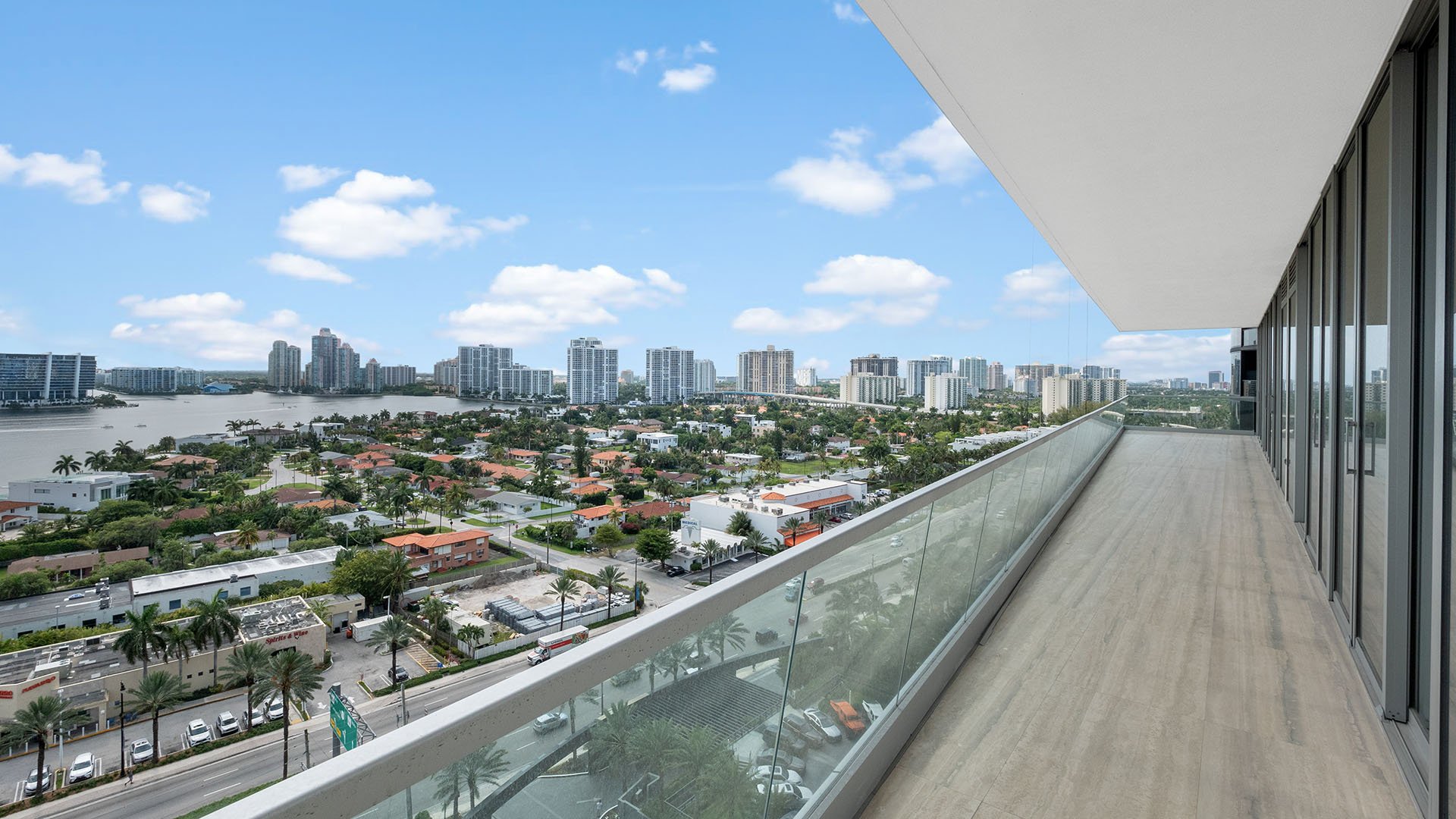
At Turnberry Ocean Club Sunny Isles, the closing inquiry is not simply whether a special assessment appears in a disclosure. The more consequential question is whether a potential owner obligation can be traced from an identified building condition through engineering, pricing, authorization, funding, billing, and collection.
The 54-story, 154-unit condominium at 18501 Collins Avenue was completed around 2020. Its relative youth may shape a buyer's first impression, but it does not eliminate the need for exacting document review. Its 25-year structural recertification would fall around 2045, yet recertification timing and current repair exposure are separate matters.
This distinction is especially relevant because the condominium association filed a construction-defect lawsuit in December 2023. The court matter, case 2023-028771-CA-01, identifies 26 defendants. The complaint alleges deficiencies involving balconies, the pool deck, entrance, garage, elevators, life-safety systems, concrete, stucco, glazing, and waterproofing, among other conditions. Allegations do not establish liability or guarantee an assessment, but they create financial questions that should be resolved as fully as the available records permit.
An assessment becomes intelligible only when its scope, price, funding, and collection status align.
A proposed assessment amount has limited meaning without the work behind it. Buyers should request the engineering scope, drawings or specifications, line-item budget, anticipated schedule, contractor bids, selected contract, and evidence of board approval. Each material condition raised in the litigation should, where possible, be mapped to a contemplated repair and funding source.
That exercise helps distinguish investigation from remediation and preliminary estimates from contracted costs. It also reveals whether several alleged conditions have been bundled into one project or divided into phases. Exposed or corroded steel, cracking, failed paint, accessibility concerns, and waterproofing issues may require different technical responses and timelines. A single aggregate figure can obscure those distinctions.
For oceanfront ownership, disruption matters alongside expense. The scope should indicate which common areas or units may be affected and when. A carefully defined project allows a purchaser to evaluate access, scheduling, and practical use of the residence without assuming that every allegation will produce the same level of work.
Once the scope is defined, pricing should be tested. A buyer should compare contractor bids on a like-for-like basis, confirming that each covers the same specifications, allowances, exclusions, contingencies, insurance requirements, and schedule. The lowest number is not necessarily the most complete, while a higher-priced selection should be understood through the board record and contract terms.
Minutes are central. They can show whether the board merely discussed a project, approved a scope, selected a contractor, authorized an assessment, or changed the funding plan. These are materially different stages. Written resolutions and executed contracts should support any conclusion drawn from meeting discussions.
This rigor applies across the Sunny Isles Beach luxury corridor. Buyers comparing completed residences such as Armani Casa Sunny Isles Beach or The Ritz-Carlton Residences® Sunny Isles should follow the same principle: building age, service level, and presentation never replace association-level financial review.
Special assessments generally address major costs that exceed the operating budget and available reserves. Reserve funds ordinarily support capital repairs and replacements, including roofs, elevators, pool decks, exterior painting, and structural components. Still, a seemingly substantial reserve balance may not be available for the specific components implicated by a contemplated project.
Review annual contributions, current balances, designated uses, and projected replacement needs together. The latest Structural Integrity Reserve Study should be obtained, or the resale disclosure should state that the association has not completed one. Its assumptions should then be reconciled with current engineering information and the proposed remediation scope.
Reserves appeared well funded, with no special assessments disclosed through 2025. That is historical context, not closing evidence. Current association records control the present inquiry, particularly when repair scope, insurance participation, litigation proceeds, or an owner-funded shortfall remain uncertain.
The amount approved is not the same as the amount collected. For any assessment, establish the total levied, installment schedule, sums billed, sums collected, owner delinquencies, and remaining balance. Then isolate the subject residence. The estoppel should identify regular dues, current assessment obligations, and the unit's paid or unpaid status.
Board records deserve a parallel review because an approved obligation may not yet have been billed and therefore may not appear as a current unit balance. Conversely, an assessment may have been levied, substantially collected, and partly spent. These scenarios can create very different post-closing exposure, even if an initial disclosure uses the same assessment label.
The buyer should also confirm the unit's percentage interest in the common elements from the recorded declaration before modeling its potential share of a building-wide charge. Do not assume that a building total divides evenly among 154 residences.
The purchase agreement should state whether the seller or buyer pays an existing assessment. If final cost, insurance recovery, litigation proceeds, or collection status remains unsettled, counsel can address credits, prorations, or escrow arrangements in the contract. The objective is not to predict every outcome. It is to determine who bears each defined obligation and how unresolved amounts will be handled.
Promotional economics should also be separated from continuing ownership costs. Buyers are responsible for all fees beginning in year two. Any developer-supported or promotional first-year arrangement should therefore not be treated as the stabilized cost of ownership.
For an investment or second residence, this allocation can affect more than the closing statement. It may influence the buyer's liquidity planning, carrying-cost model, and view of near-term capital needs. The same consideration applies when evaluating newer corridor offerings such as St. Regis® Residences Sunny Isles, even though each association and transaction requires its own records.
A disciplined resale review brings the current budget, reserve study, financial statements, engineering reports, litigation materials, board minutes, contracts, and estoppel into one coherent narrative. If one document suggests planned work while another shows no funding, the inconsistency requires written clarification. Verbal assurances from a broker or manager should not substitute for the governing records.
The assessment picture can change after contract execution. Updated minutes, revised bids, settlements, payment delinquencies, or new board action may alter the buyer's position. Association disclosures and unit payment information should therefore be refreshed shortly before funds are wired.
The essential standard is documentary continuity: condition to scope, scope to bids, bids to approval, approval to funding, and funding to unit-level collection. That sequence gives a purchaser a more credible basis for understanding ownership at Turnberry Ocean Club than a simple yes-or-no assessment question.
For discreet guidance on South Florida luxury real estate, connect with MILLION.
If branded residences are on your mind — as a home or as an allocation — we would be glad to share what we are seeing, privately.
Begin a quiet conversationA historical statement indicated no disclosed special assessments through 2025, but buyers should verify current status through association records, board minutes, and a current estoppel.
No. Pending litigation does not establish that an assessment will occur, but it creates uncertainty around repair costs, recoveries, funding, and timing.
Request engineering reports, drawings or specifications, a line-item budget, anticipated schedule, contractor bids, and the selected contract.
Bids help test whether the proposed cost reflects a consistent scope and reveal exclusions, allowances, contingencies, and schedule differences.
Minutes should clarify whether work was discussed or approved, whether a contractor was selected, and whether an assessment or other funding source was authorized.
Compare annual contributions and current balances with designated uses and projected component needs. A large balance may not be available for the specific repair under review.
It should identify regular dues, current assessment obligations, and the subject unit's paid or unpaid balance as of the effective date.
An approved assessment may not yet be billed or fully collected. Buyers should distinguish the total levied from amounts billed, collected, delinquent, and outstanding.
The contract can allocate payment to buyer or seller and provide for credits, prorations, or escrow when cost or collection remains unresolved.
Refresh disclosures, minutes, assessment information, and unit payment status shortly before closing funds are wired because the financial picture can change.