For Monaco buyers considering Hillsboro Beach, the decisive tax question is not simply what the seller pays today. A credible ownership plan must model reassessment after acquisition, nonhomestead growth, a possible future homestead conversion, and the tax presentation awaiting the next buyer at resale.
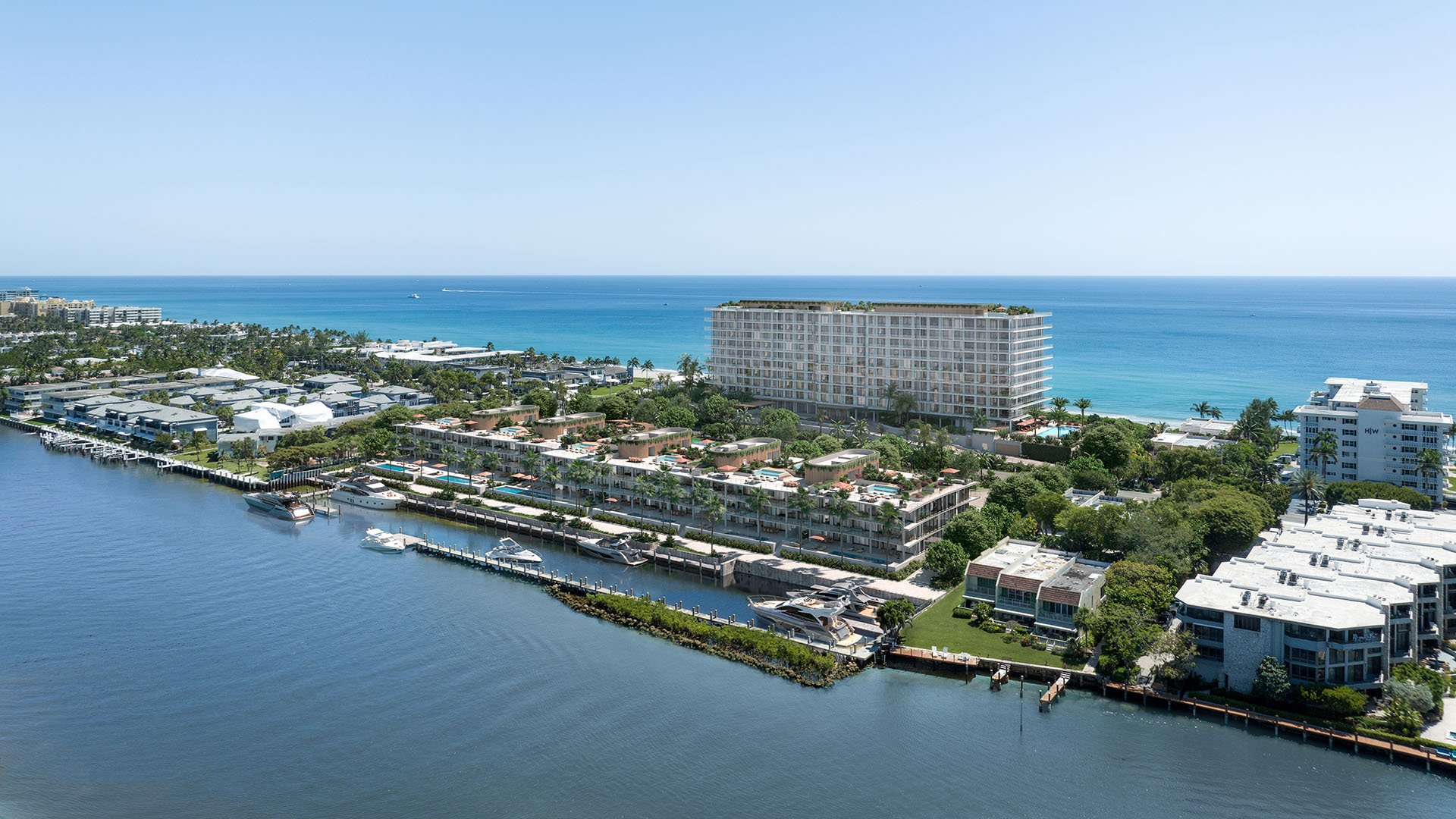
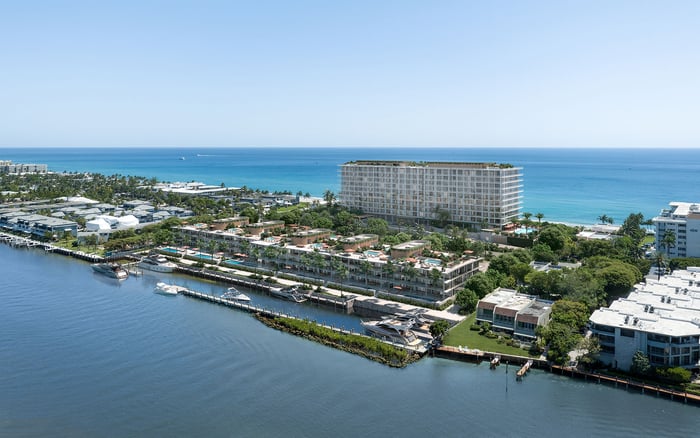
For a buyer leaving Monaco, Hillsboro Beach can represent an elegant change of rhythm: a quieter stretch of South Florida offering oceanfront privacy and access to the wider Broward luxury market. Yet the property-tax analysis begins before architecture, views, or the closing timetable. It begins with a deceptively simple question: Will the residence serve as a seasonal retreat, or become the owner’s permanent Florida home?
A property used as a vacation home or secondary residence generally does not qualify for Florida homestead benefits. Eligibility depends on making the property a permanent residence and establishing Florida domicile-not merely owning it or spending part of the year there. That distinction should shape the acquisition model for a residence at Rosewood Residences Hillsboro Beach or any other Hillsboro Beach address.
The correct tax forecast begins with the buyer’s intended use, not the seller’s latest bill.
A polished purchase analysis should therefore present more than one scenario. The first should assume continued nonhomestead ownership. The second should consider a later, properly qualified conversion to homestead. A third can test the effects of different holding periods and an eventual sale.
The current owner’s property-tax bill may reflect years of capped assessment growth. That history generally does not transfer to the purchaser. A qualifying sale or ownership change can reset accumulated nonhomestead protection, exposing the property to reassessment toward market value.
The difference can be particularly material when an oceanfront residence has been held for many years while its market value rose more quickly than its assessed value. A buyer who simply inserts the seller’s latest bill into a carrying-cost spreadsheet may therefore understate the post-acquisition expense.
Florida property tax is calculated by applying locally determined millage to taxable value. A rigorous forecast must therefore consider both the projected post-sale assessed value and the applicable Broward, Hillsboro Beach, school-board, and other taxing rates. Millage is determined annually, so even an assessment cap does not ensure that the total bill will rise by the same percentage.
This principle also matters when comparing nearby luxury options. A purchaser weighing Hillsboro Beach against Armani Casa Residences Pompano Beach should model each property within its own taxing context rather than carry assumptions from one address to another.
A nonhomestead property receives a separate cap limiting annual assessment growth to 10%. It generally applies to second homes, vacation residences, rentals, commercial property, and other real estate without a homestead exemption; the owner does not need to apply for this protection.
The cap is useful, but it must not be mistaken for a universal ceiling on the tax bill. It does not apply to school-board taxes. In addition, annual millage decisions can alter the amount due even when part of the assessed value is capped. For a high-value residence, these distinctions warrant line-by-line treatment rather than a single assumed escalation rate.
A disciplined investment model can begin with a projected reassessed value after closing, then separate the school-board component from the portions subject to the nonhomestead limitation. It should also test annual changes across the buyer’s expected ownership horizon. The objective is not to predict an exact future invoice, but to establish a defensible range for liquidity planning.
For regional comparison, the same analytical discipline applies to residences such as The Ritz-Carlton Residences® Pompano Beach and Auberge Beach Residences & Spa Fort Lauderdale. Prestige does not standardize taxable value, municipal rates, or an owner’s exemption status.
If the owner later makes Hillsboro Beach a permanent residence and qualifies for homestead, the future assessment framework changes. Florida’s homestead exemption can reduce assessed value by up to $50,000, although part of that exemption does not apply to school-board levies. Once the property is homesteaded, Save Our Homes limits annual assessed-value growth to 3% or the change in the Consumer Price Index, whichever is lower.
This potential transition should be modeled, but never presumed. Domicile, occupancy, ownership structure, and filing requirements must align. A residence held through a structure selected for estate, privacy, or liability reasons may require coordinated review before a homestead position is assumed. The buyer’s legal and tax advisers should address these questions before closing and revisit them if personal circumstances change.
Portability is another narrowly defined consideration. An eligible owner may transfer as much as $500,000 of assessment difference from a previous Florida homestead to a new Florida homestead. A direct arrival from Monaco without a qualifying prior Florida homestead normally offers no portable benefit. For those who qualify, the new Florida residence generally must be established by January 1 of the third year after the former homestead was abandoned, and the transfer request must be filed by the applicable deadline. Portability is not automatic.
A layered view of ownership costs allows each component to answer a different question. The opening layer estimates taxable value after the transaction rather than carrying forward the seller’s historic figure. The next applies the relevant millage components, with school-board treatment shown separately. The holding layer compares continued nonhomestead ownership with a future homestead scenario, if realistically available.
The model should then be tested against ownership duration. A shorter hold may leave limited time for capped assessment differences to accumulate. A longer hold can create a widening gap between assessed and market value, subject to the applicable rules and annual millage. That difference may benefit the current owner’s tax carry while creating a sharper reset for the next purchaser.
Finally, confirm domicile, title structure, deadlines, and any portability claim with the local property appraiser and qualified Florida tax counsel. The tax model should also be refreshed before closing and during each annual planning cycle because millage can change.
Resale strategy should not begin when photographs are commissioned. It should begin at acquisition, with a clear understanding of how a future purchaser may underwrite the property. If the home appreciates substantially during a long hold, the owner’s then-current tax bill may become increasingly unrepresentative of the next buyer’s likely carry after reassessment.
A sophisticated marketing package should therefore distinguish the seller’s actual taxes from an estimate of the purchaser’s post-reset position. This is especially important for an appreciated oceanfront house or condominium, where a large gap between market and assessed value can affect annual budgeting. Clear presentation reduces surprise and gives advisers a more credible basis for evaluating total ownership cost.
The central lesson is one of sequencing. Determine intended use, estimate reassessment, apply the relevant millage, model nonhomestead growth, test a legitimate homestead conversion, and anticipate the reset that may accompany the eventual sale. In Hillsboro Beach, that sequence turns property tax from a closing footnote into a deliberate component of wealth and exit planning.
For discreet guidance on Hillsboro Beach acquisition and resale strategy, connect with MILLION.
If branded residences are on your mind — as a home or as an allocation — we would be glad to share what we are seeing, privately.
Begin a quiet conversationGenerally no. The property must become the owner’s permanent residence, with Florida domicile properly established, before homestead benefits can apply.
The seller’s capped assessed value generally does not transfer. A qualifying sale can trigger reassessment toward market value and produce a materially different bill.
Nonhomestead property receives a 10% annual assessment-growth cap. Owners generally do not need to apply for it.
No. The school-board portion is outside the nonhomestead cap, so that component is not protected by the 10% limitation.
No. Millage is set annually, and school-board taxes are outside the cap, so the total bill does not necessarily move by the capped percentage.
A qualifying homestead can provide an exemption and shift future assessment growth to the Save Our Homes framework.
It can reduce assessed value by up to $50,000, although part of the exemption does not apply to school-board levies.
Once a property is homesteaded, annual assessed-value growth is limited to 3% or the change in the Consumer Price Index, whichever is lower.
Normally not without a qualifying prior Florida homestead. Eligible owners may transfer up to $500,000 of assessment difference, subject to timing and filing rules.
A long-held property may carry a low assessed value that resets after sale. Showing a likely post-reset range helps future buyers evaluate ownership costs more accurately.