A discerning buyer’s guide to evaluating a Brickell penthouse beyond its views, with practical checks for wind exposure, elevator arrangements, terrace waterproofing, and condominium maintenance obligations.
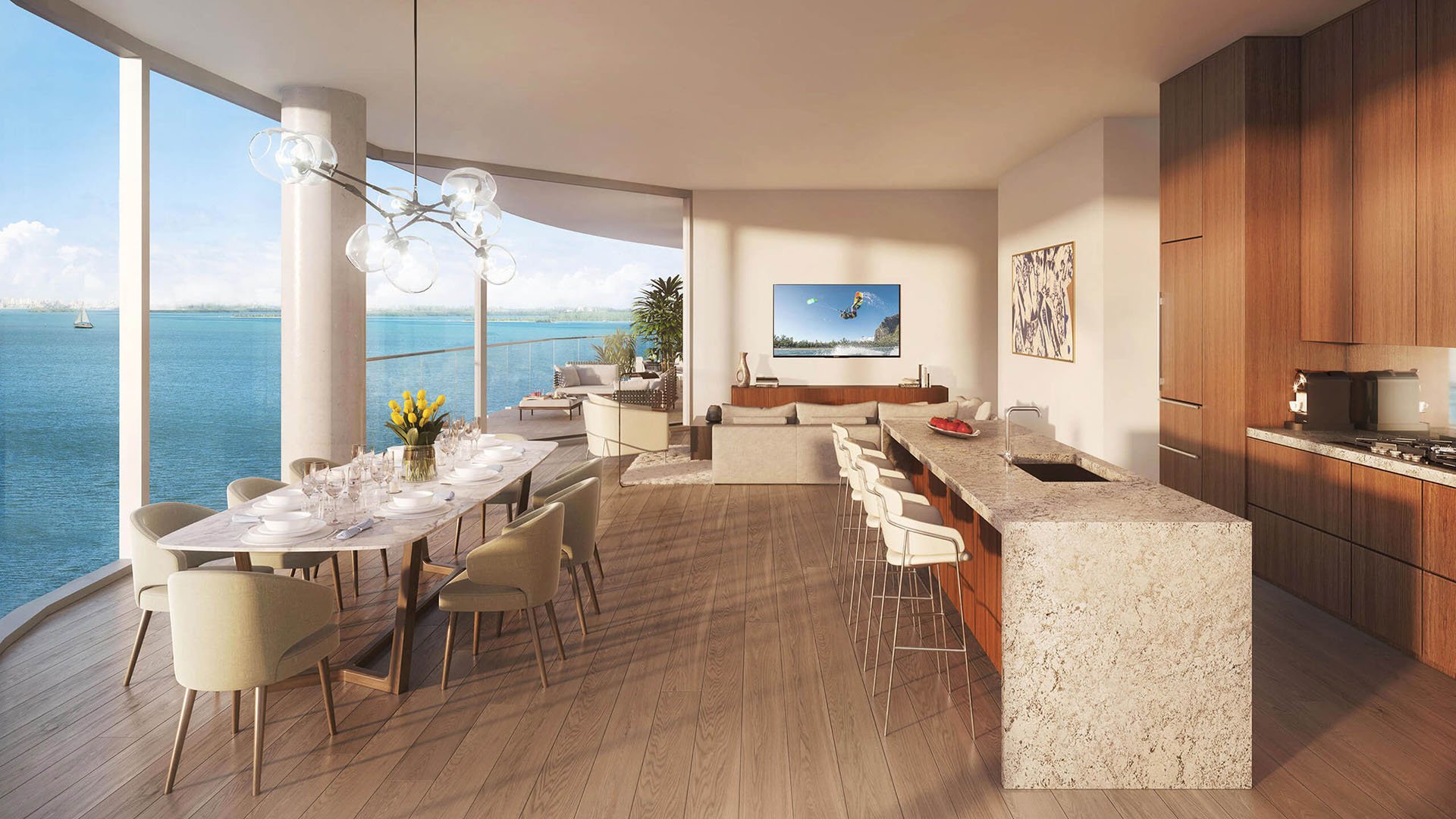
A Brickell penthouse should offer more than an extraordinary outlook. Its appeal also depends on how confidently you can use the terrace, how reliably you can reach the residence, and how clearly the building assigns maintenance obligations. These considerations belong beside layout, privacy, and finish quality in the purchase decision.
The essential distinction is between an advertised feature and a verified condition. A generous terrace is not evidence of sound waterproofing. A private elevator description does not establish exclusive access or uninterrupted service. A wind-risk score does not explain how a particular elevation, glazing assembly, or outdoor seating area performs.
For buyers considering The Residences at 1428 Brickell alongside other Brickell addresses, the same discipline applies: assess the specific residence, its supporting building systems, and the documents governing both. A project name should never substitute for unit-level diligence.
A listing-level wind-risk estimate is not a penthouse engineering assessment. It does not establish floor-specific wind pressure, terrace comfort, or window performance.
Use this information to frame questions, not draw conclusions. Ask a qualified professional what documentation is available for the residence’s windows, exterior doors, and surrounding envelope. Request repair histories and investigate evidence of water entry rather than relying on the appearance of recently finished surfaces.
During a visit, consider how you would actually use the outdoor space. Ask about furniture restrictions, storm preparation, and building rules affecting terrace use. A pleasant showing offers a useful impression, but it is not a test of performance in severe weather.
If a residence is advertised with a private elevator, establish the precise arrangement: whether access is exclusive or shared, where the doors open, and what separates the arrival area from the living space.
Request a demonstration of access controls and ask how visitors, household staff, deliveries, and contractors enter. Establish whether a service elevator exists and what arrangements apply when the principal elevator is unavailable. These questions connect the promise of privacy with the daily operation of the home.
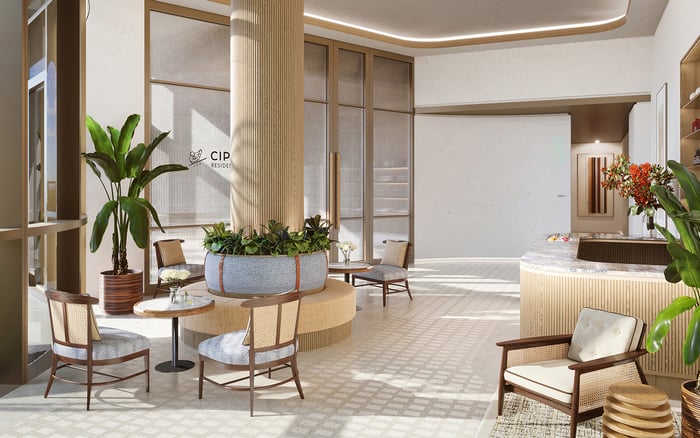
When evaluating Cipriani Residences Brickell or another candidate, request the relevant plans and operating procedures rather than inferring an access configuration from marketing language. Use the same questions on every property comparison sheet.
Hurricane preparation deserves a separate conversation. Ask when elevators are taken out of service, who authorizes shutdown and restart, and what happens during a power failure. Request maintenance and shutdown records. Include machine-room and hoistway vents and openings in the discussion of water-leakage prevention. Do not assume backup power guarantees continued passenger service.
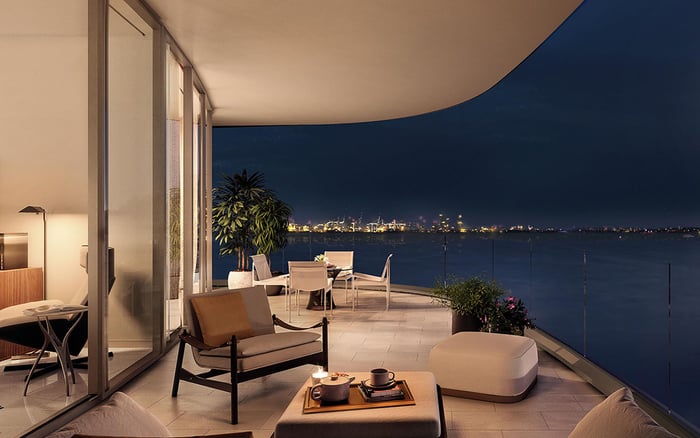
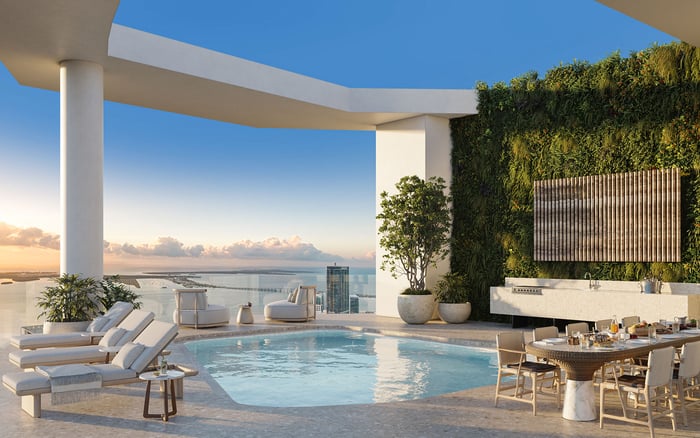
A terrace deserves its own inspection scope, not a passing glance during an interior walkthrough. Ask a qualified specialist to review waterproofing, drainage, thresholds, sealants, railings, and repair history. The objective is to understand the assembly, not simply approve the surface.
Cosmetic resurfacing alone does not document membrane replacement. If the terrace has been renovated, request the scope, permits where applicable, and records identifying what was removed, retained, repaired, or replaced. Ask whether the work addressed drainage and door thresholds as well as the visible finish.
Have unexplained staining, patching, or differences in finish examined rather than judged by appearance alone. Ask the seller and association about prior leaks and related work, then compare their answers with available records. An attractive surface and a documented repair history answer different questions.
For a buyer comparing Una Residences Brickell with other options, the same distinction should guide diligence: outdoor square footage is a lifestyle feature; waterproofing condition and repair responsibility require separate verification.
Structural inspection documents are important, but they are not a comprehensive assessment of every finish or terrace component. Review them alongside a residence-specific inspection and any specialist envelope or waterproofing review your advisers recommend.
Have counsel or the appropriate local authority verify current inspection requirements and applicable deadlines for the particular Brickell building. Request the certificate of occupancy and relevant inspection records rather than estimating building age or compliance from a sales description.
Ask whether any findings require further evaluation or repairs. Request complete findings, follow-up evaluations, repair scopes, permits, and completion records. A summary alone may not answer the questions relevant to your purchase.
Do not infer maintenance responsibility from exclusive use. Request the condominium documents identifying who is responsible for terrace slabs, membranes, drains, finishes, and elevator equipment. Have counsel distinguish the owner’s obligations from the association’s, including any relevant access or alteration provisions.
Review board minutes, assessments, insurance terms, and planned repair scopes together. Ask whether proposed work could affect terrace access or elevator service during your intended occupancy. If an obligation or cost remains unresolved, seek clarification before treating it as a settled part of the ownership budget.
The strongest purchase decision aligns three things: the home you want to inhabit, the condition your advisers can substantiate, and the responsibilities you understand. Views and finishes may create the initial attraction; documented performance and clear obligations support a more confident commitment.
For a considered approach to your next Brickell penthouse purchase, connect with MILLION.
If branded residences are on your mind — as a home or as an allocation — we would be glad to share what we are seeing, privately.
Begin a quiet conversationNo. A listing-level wind-risk estimate does not establish floor-specific wind pressure, window performance, or terrace usability.
Confirm whether access is exclusive or shared, where the elevator opens, how access controls work, and whether a service elevator is available.
Do not assume it does. Request the building’s hurricane shutdown, power-failure, and restart procedures.
Request a review of waterproofing, drainage, thresholds, sealants, railings, and repair history rather than relying on the visible finish.
No. Request the repair scope and supporting records to establish whether membrane work occurred.
Responsibility must be established from the applicable condominium documents. Review the allocation for slabs, membranes, drains, and finishes with counsel.
Have counsel or the appropriate local authority confirm current requirements and building-specific deadlines. Review the relevant inspection records rather than relying on a sales description.
It helps document building age when reviewing inspection timing. Have your advisers assess it alongside applicable requirements and inspection records.
No. Structural-safety review is not a comprehensive assessment of every terrace component or unit finish.
Request complete inspection findings, repair scopes and permits, board minutes, assessments, insurance terms, and elevator maintenance and shutdown records.