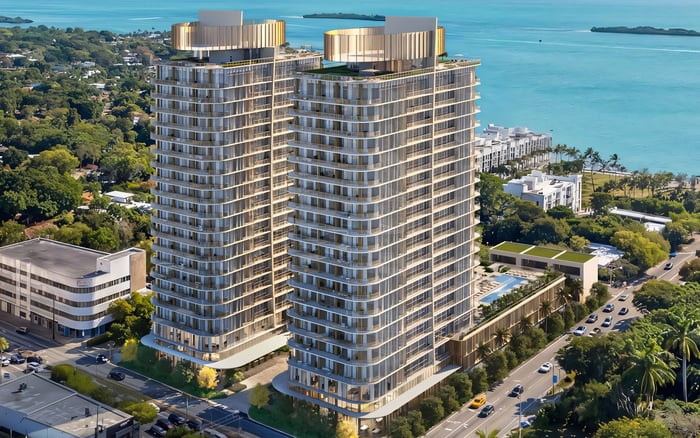
Cash buyers in the Miami Design District should evaluate more than the purchase price when preparing for closing. Contract terms, title and settlement services, recording, prorations, prepaids, inspections, and condominium association charges can all affect the final amount due.

A cash acquisition in the Miami Design District can avoid financing-related line items, but buyers should not assume that the purchase price equals the total amount due at settlement. The contract and property documents should be reviewed for title and settlement services, deed recording, inspections, tax and association prorations, prepaids, and building-related charges.
Property type also matters. A condominium resale and a new-development purchase may use different documents, payment schedules, association requirements, and closing allocations. Instead of relying on a generic percentage, buyers should request a written, itemized estimate tied to the specific residence and anticipated closing date.
A cash buyer should ask whether an owner's title policy is contemplated, who is responsible for its cost, and which title, search, settlement, or recording charges are listed separately. The answers should come from the applicable contract and closing professionals rather than assumptions based on another transaction.
This review is especially important when comparing properties with different contractual structures. A buyer evaluating Kempinski Residences Miami Design District should assess the documents and estimates prepared for that particular acquisition.
The same discipline applies to the closing provider's preliminary figures. Buyers should ask what each line item covers, whether it is fixed or estimated, and which amounts may be updated before settlement.
Property-tax, association, and other prorations may depend on the closing date and the information available when the settlement statement is prepared. A change in timing or updated account information can therefore alter the final calculation.
When comparing a Design District residence with Miami Tropic Residences or another South Florida option, buyers should compare itemized cash-to-close estimates rather than purchase prices alone. Each estimate should reflect its own contract, property documents, timing, and applicable charges.
A preliminary estimate is most useful as a working document. It should be refreshed when the closing date, title allocation, proration information, or association figures change.
For a condominium purchase, buyers should request the available association fee schedule and identify any application, transfer, estoppel, move-in, documentation, or similar items shown in the transaction materials. They should also review current dues, reserve information, and any assessment disclosures provided for the property.
A buyer considering EDITION Edgewater should evaluate that project's own purchase documents and building requirements rather than apply assumptions from a Design District resale or another condominium.
The review should distinguish among amounts due at closing, recurring obligations, and disclosed assessments. Although each can affect capital planning, they do not serve the same purpose or follow the same timing.
Request an itemized settlement estimate early and organize it by category: purchase price, title and settlement services, recording, inspections, prorations, prepaids, and association or building charges. Ask which entries are estimates and what information is still outstanding.
Cross-market comparisons require the same care. The documents and charges associated with The Residences at 1428 Brickell should be reviewed on their own terms before being compared with a Miami Design District opportunity.
Before funds are scheduled for delivery, buyers should obtain the latest settlement statement and reconcile it with the contract, association materials, and prior estimates. Any unexplained change should be addressed with the appropriate closing professional.
Confirm whether the acquisition is a resale or new-development purchase. Identify how the contract allocates title and settlement expenses, then request the available association application, fee schedule, budget, reserve information, and assessment disclosures.
Ask which taxes, dues, assessments, insurance costs, or other prepaids may be collected or prorated at closing. Keep room in the funding plan for revisions because preliminary figures can change as documents and timing are finalized.
Do cash buyers in the Miami Design District still need a closing budget? Yes. The buyer should account for every charge identified in the contract, settlement estimate, and property documents rather than planning for the purchase price alone.
Should a buyer rely on a standard closing-cost percentage? A generic percentage is not a substitute for a property-specific estimate. Contract allocations, timing, property type, and building requirements can produce different results.
Why should title allocation be reviewed before signing? The contract may assign title-related expenses between the parties. Reviewing that allocation early helps the buyer understand the expected cash requirement.
What title questions should a cash buyer ask? Ask whether an owner's policy is contemplated, who pays for it, and which search, settlement, or recording charges are separate.
Can the closing date affect the final amount due? It can affect calculations tied to timing, including applicable prorations. Updated figures should be requested if the settlement date changes.
Which association materials should a condominium buyer request? Request the available fee schedule, application materials, budget, reserve information, and assessment disclosures for the specific property.
How should association charges be categorized? Separate closing-day charges from recurring dues and disclosed assessments. This makes the immediate funding requirement and longer-term obligations easier to evaluate.
Are resale and new-development closings identical? Buyers should not assume they are. Each transaction should be evaluated under its own contract, payment schedule, property documents, and building requirements.
When should a settlement estimate be updated? Request revisions when timing, title allocation, proration information, or association figures change. Review the latest version before arranging the final funds.
What is the most useful final review before closing? Reconcile the latest settlement statement with the contract, association materials, and prior estimates, then ask the appropriate closing professional about any unexplained difference.
If you'd like a private walkthrough and a curated shortlist, connect with MILLION.
If branded residences are on your mind — as a home or as an allocation — we would be glad to share what we are seeing, privately.
Begin a quiet conversation