A discreet editorial guide for families converting northern estate sale proceeds into South Florida real estate, with focus on liquidity, governance, lifestyle fit, and long-term family use.

When a northern estate sells, the instinct is often to begin with the most visible question: where in South Florida should the family buy? The more useful first question is quieter and more consequential: how should the cash be allocated before any property becomes emotionally irresistible?
For multigenerational families, a South Florida purchase is rarely just a second home. It may become a winter base, a gathering place for adult children, a residence for aging parents, a remote-work address, or a legacy asset intended to keep the family connected. That range of possible uses means the capital plan should come before the architectural preference.
A disciplined allocation framework separates the proceeds into distinct buckets: acquisition capital, renovation or furnishing reserves, near-term liquidity, carrying-cost support, and longer-term family liquidity. The property itself may be exceptional, but the balance sheet around it must be equally elegant. The finest purchase is not only beautiful; it is one the family can hold comfortably through changing seasons, changing markets, and changing family needs.
Before touring oceanfront condominiums, gated estates, or club-oriented communities, families should agree on the mandate. Is the goal privacy, convenience, health, school proximity, boating access, cultural life, tax residence planning, or simply a warmer setting for time together? A vague mandate creates expensive drift. A written mandate creates restraint.
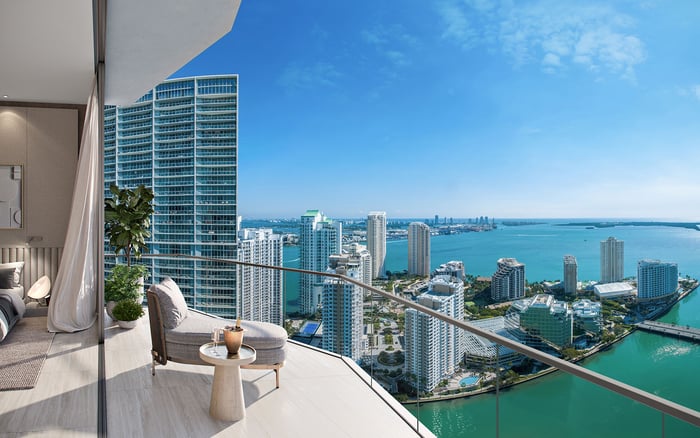
South Florida offers many residential personalities. Brickell can appeal to families who want an urban, service-rich setting close to dining, offices, and the bay, with towers such as The Residences at 1428 Brickell representing the type of vertical living that can suit a highly managed lifestyle. Coconut Grove often enters the conversation when buyers want a softer village rhythm, mature greenery, and proximity to the water; projects such as Four Seasons Residences Coconut Grove may be considered by families comparing branded service with a more residential atmosphere.
The point is not to choose a neighborhood by reputation alone. It is to define which rhythm fits the family’s actual life. A grand residence that no one uses is not a successful allocation. A smaller, better-located home that becomes the family’s preferred gathering place may be the stronger asset.
After a major sale, families sometimes view cash as temporary, something to redeploy quickly into the next property. That can be a mistake. Liquidity is not idle when it protects optionality. It allows a family to move decisively when a rare residence appears, absorb unexpected construction or association obligations, support estate planning, and avoid forced decisions.
A prudent plan distinguishes between cash for purchase and cash for ownership. South Florida carrying costs can include association dues, insurance, staffing, maintenance, club obligations, security, travel logistics, and periodic improvements. Even when a property is move-in ready, the family’s preferred way of living may require customization. That can include furnishings, technology, art installation, staff quarters, outdoor living enhancements, or accessibility improvements for older relatives.
Investment discipline also means recognizing that not every dollar should be placed into the residence. Some families prefer to buy below their theoretical ceiling so they can preserve liquidity for future acquisitions, charitable commitments, family office needs, or portfolio diversification. Others may choose a trophy asset because its utility, privacy, and scarcity align with their long-term intentions. Neither approach is inherently superior; the correct answer is the one that matches the family’s governance, time horizon, and risk tolerance.
A single buyer can act quickly. A family system needs structure. When adult children, spouses, trustees, parents, and advisors all have a voice, the purchase can become emotionally crowded. Governance prevents the process from becoming a referendum on taste.
At minimum, families should decide who has decision authority, who may use the property, how holidays are allocated, whether guests are permitted without the principal owner present, how expenses are shared, and what happens if one branch wants out. These questions may feel unromantic before acquisition. They become essential after the keys are delivered.
For buyers comparing highly serviced condominium living with a private estate, governance also affects daily life. A condominium can simplify staffing, security, and lock-and-leave ownership. A single-family residence may offer more control, more privacy, and more flexibility. Waterfront homes may add boating and maintenance considerations. The right structure depends on who will use the home most often and how much management the family wishes to retain.
A short hold and a generational hold are different purchases. A family expecting to use South Florida for a few seasons may emphasize convenience, resale clarity, and minimal customization. A family building a long-term base may focus more on privacy, floor plan adaptability, guest separation, service areas, and the ability to host across generations.
Palm Beach may attract families who want a polished residential environment, a sense of tradition, and access to a quieter island lifestyle; Palm Beach Residences can enter the discussion for buyers focused on that address profile. Fisher Island may appeal to families seeking a more enclave-like setting, with The Residences at Six Fisher Island offering a relevant reference point for those evaluating privacy, access, and resort-style living. Boca Raton may be considered by buyers who want a more family-oriented South Florida base, with The Residences at Mandarin Oriental Boca Raton among the projects that may frame that conversation.
This is where buyer’s guides can be useful, but only if the family resists treating them as substitutes for judgment. A guide can clarify the market. It cannot tell a family whether the grandchildren will gather there, whether parents will feel comfortable, or whether the home will improve the family’s quality of time together.
The purchase price is only the beginning of the allocation. The life around the residence can require meaningful planning: travel, household support, seasonal entertaining, care arrangements, vehicles, boats, art handling, club participation, and family events. For ultra-premium buyers, these are not incidental costs. They are part of the reason the property works.
The best families treat reserves as part of the design brief. If the home is intended as a gathering place, budget for the gatherings. If it is intended for aging parents, budget for comfort and access. If it is intended to host children and grandchildren, budget for durable finishes, guest logistics, and privacy. If it is intended as a calm retreat, budget for the management that keeps it calm.
This is also where the family should be candid about future exits. If the property is held in trust, shared among branches, or intended for long-term family use, the exit language matters. Selling a cherished home can be complicated when memories, liquidity needs, and unequal use collide. A clear agreement now can preserve family harmony later.
Should we buy immediately after selling a northern estate? Not necessarily. Many families benefit from setting liquidity targets, governance rules, and purchase criteria before entering serious negotiations.
How much cash should remain outside the South Florida purchase? The answer depends on carrying costs, family obligations, portfolio needs, and the intended holding period. A qualified advisory team should model several scenarios.
Is a condominium easier for multigenerational ownership? It can be easier when service, security, and lock-and-leave convenience are priorities. It may be less flexible for families that need extensive private outdoor space or control.
When does a single-family estate make more sense? It may suit families that value privacy, customization, guest separation, and direct control of the property environment.
Should adult children be part of the search? They should be consulted if they will use or inherit the property, but decision authority should be clearly defined before preferences multiply.
What is the biggest allocation mistake families make? Overcommitting to the purchase price while underestimating reserves for ownership, lifestyle, staffing, improvements, and liquidity.
How should families compare Brickell, Palm Beach, and other areas? Compare daily rhythm first: urban access, privacy, beach proximity, schools, boating, healthcare, clubs, and travel patterns.
Is waterfront ownership always the best choice? Not always. Waterfront living can be extraordinary, but it should match the family’s maintenance appetite, privacy needs, and actual use.
Can the property be both lifestyle-driven and an investment? Yes, but the family should decide which priority leads. A lifestyle asset should still be purchased with financial discipline.
What is the best way to shortlist comparable options for touring? Start with location fit, delivery status, and daily lifestyle priorities, then compare stacks and elevations to validate views and privacy.
To compare the best-fit options with clarity, connect with MILLION.
If branded residences are on your mind — as a home or as an allocation — we would be glad to share what we are seeing, privately.
Begin a quiet conversation.jpg&width=700&height=438&fit=cover)