A buyer-focused look at doorman discretion at Casa Bella by B&B Italia Downtown Miami, with privacy questions for high-profile residents, families, and reputation-conscious owners.
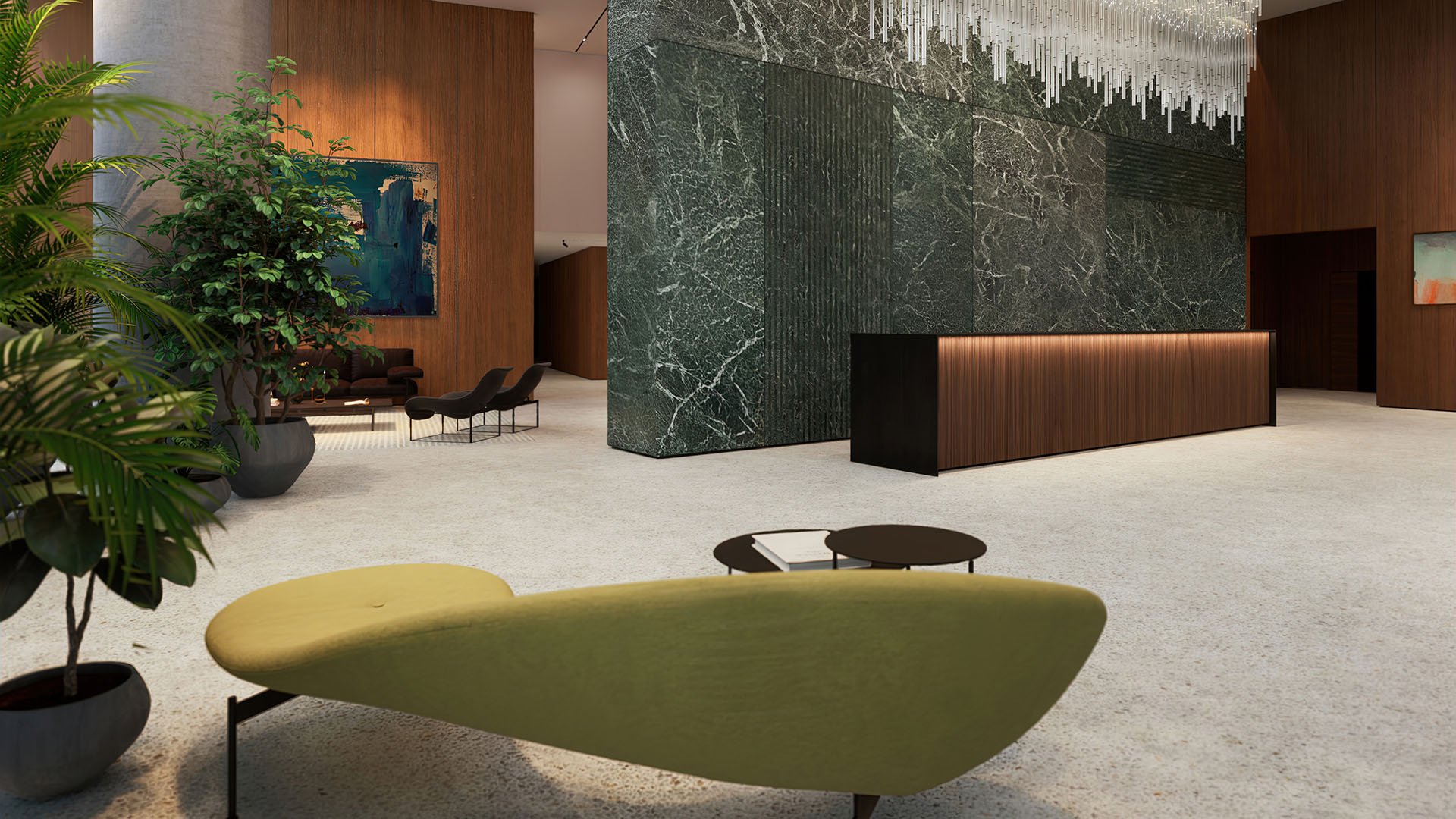
Casa Bella by B&B Italia Downtown Miami belongs to a class of branded luxury condominium projects where design identity is not a decorative layer, but a core part of the residential promise. The B&B Italia association signals a highly curated aesthetic, making the arrival experience especially important for many buyers. The lobby, the greeting, the transition from city to residence, and the conduct of the front desk all shape how the building is perceived.
For privacy-sensitive buyers, however, beauty is only one dimension of the question. A beautiful branded lobby is only as private as the people operating it. Doorman discretion is not a soft service detail. It is a due-diligence issue tied to privacy, security, reputation risk, family routines, guest exposure, and the daily handling of personal information.
In Downtown, where city living brings guests, vendors, rideshare vehicles, deliveries, brokers, household staff, and unexpected visitors into frequent contact with the building, the front-of-house function can become one of the most consequential parts of ownership. Buyers should not simply ask whether the service feels polished. They should ask whether it is disciplined.
Luxury buyers often respond to warmth. A doorman who remembers names, preferences, cars, pets, birthdays, and regular guests can make a residence feel personal and well run. Yet high-touch service is not automatically high-discretion service. For some owners, especially executives, entertainers, founders, political figures, collectors, and families with security concerns, excessive familiarity can create exposure.
The distinction matters. High-touch hospitality anticipates needs. High-discretion hospitality limits unnecessary disclosure. A refined staff member can be gracious without confirming whether a resident is home, identifying a guest, repeating a schedule, discussing ownership, or volunteering a personal routine. That balance is central to the privacy expectations buyers should bring to Casa Bella by B&B Italia Downtown Miami.
This is especially relevant in a new-construction or pre-construction purchase, where buyers may be evaluating not only finishes and amenities, but also the operating culture that will shape daily life. A residential brand can design a memorable lobby, but buyers should still understand how the condominium’s management team intends to train, supervise, and discipline the people who control first contact.
The first question is whether doormen, concierge personnel, lobby staff, and related security personnel are trained on resident confidentiality. Buyers should ask whether training specifically covers visitor discretion, non-disclosure expectations, guest privacy, ownership privacy, and the handling of sensitive personal patterns.
The second question is whether the building has written front-desk protocols. Informal judgment is not enough for owners who value consistency. A buyer should ask whether procedures exist for guest arrivals, vendor access, delivery personnel, rideshare pickups, brokers, household employees, and unexpected visitors. Written standards do not guarantee flawless conduct, but they create a basis for accountability.
Buyers should also ask whether staff are prohibited from discussing residents, guests, unit ownership, schedules, travel patterns, occupancy, service appointments, and personal routines. The issue is not only malicious gossip. Casual conversation in a lobby, elevator vestibule, loading area, or valet zone can reveal more than intended.
For high-profile owners, the question becomes more specific: can a resident set custom privacy preferences? Some buyers may want no verbal name announcements, restricted disclosure of occupancy, additional caution around recurring guests, or special handling when media, strangers, or unverified parties try to confirm whether someone is home.
The most elegant lobby can fail if visitor access is loose. Buyers should ask how visitors are verified before being permitted toward residential floors or elevators. They should also ask how staff respond when a guest says they are expected, when a vendor arrives outside an approved window, or when a delivery person attempts to bypass normal package handling.
In a Downtown setting, where the building’s public-facing edges may see a broad mix of arrivals, the doorman’s role is not merely to open a door. It is to manage the threshold between public city life and private residence. That threshold includes guest names, arrival timing, package volume, service providers, and the subtle choreography of who is allowed where.
Brickell buyers understand this issue as well, particularly in dense vertical neighborhoods where hospitality and security must coexist. The same principle applies here: a luxury tower should feel welcoming to invited guests and opaque to everyone else.
Discretion is also a records issue. Buyers should ask whether security logs, guest records, package records, and camera footage are access-controlled and retained under clear policies. Who can see the logs? Who can retrieve footage? How long are records retained? What happens if a resident asks who accessed information about their guests or deliveries?
The chain of supervision deserves equal attention. Buyers should ask who supervises doormen and front-desk staff: the condominium association, a property-management firm, a hospitality operator, or a security vendor. Each structure can work, but the buyer needs to know where authority sits and how standards are enforced.
Gratuities are another overlooked point. Buyers should ask whether lobby staff may accept tips or gifts from residents, guests, vendors, brokers, or service providers. Gratuity culture can influence access, attention, and discretion. A clear policy protects both residents and staff by reducing ambiguity around favors, special treatment, and informal influence.
Discipline should not be vague. Buyers should ask what process applies if staff leak resident information, mishandle visitor access, fail to follow privacy protocols, or discuss matters they should keep confidential. In luxury real estate, a privacy lapse can become an investment concern because reputation, resale confidence, and owner comfort are linked.
A showing can reveal more than finishes. Buyers should observe how lobby staff greet visitors, whether names are spoken aloud, how questions are answered, and whether staff appear casual with resident information. The objective is not to test or provoke the team. It is to understand whether the building culture favors polished restraint.
Listen for over-explanation. If staff volunteer who lives there, who is away, which buyers have visited, or what unit someone owns, that is a warning sign. If the team is courteous while limiting details, that may suggest a healthier operating culture.
Ask direct but respectful questions. How are unexpected visitors handled? What if a stranger claims to be a friend of a resident? How are media inquiries addressed? Are staff trained not to engage with paparazzi, social-media speculation, or attempts to confirm occupancy? Can a resident’s privacy preference be noted without creating a visible signal that the resident is high profile?
A top project in a sophisticated market should be evaluated through this lens. The more desirable the address, the more valuable discretion becomes.
Before moving forward, buyers should request the relevant building and management materials available for review, including rules or policies that address front-desk conduct, guest access, package handling, camera or record retention, staff supervision, and disciplinary procedures. The point is not to turn a residence into a fortress. The point is to ensure that elegance and privacy are aligned.
Casa Bella by B&B Italia Downtown Miami may attract buyers who care deeply about design, brand identity, and the emotional quality of arrival. Those buyers should also care about the invisible choreography behind the desk. In luxury condominium living, discretion is not the absence of service. It is service refined enough to know what not to say.
Why should Casa Bella buyers ask about doorman discretion? Because the front desk is a privacy gateway, not just a hospitality feature. For some owners, a casual disclosure can create security or reputation exposure.
Is warm lobby service a privacy risk? It can be if warmth becomes oversharing. High-touch service should still avoid discussing residents, guests, schedules, ownership, and routines.
What should buyers ask about staff training? Ask whether doormen and lobby staff are trained on confidentiality, visitor discretion, non-disclosure expectations, media encounters, and unexpected visitors.
Should privacy protocols be written? Yes. Written protocols create consistency and accountability, while informal judgment can vary by shift, staff member, or circumstance.
How should visitor access be handled? Buyers should ask how guests are verified before reaching residential floors or elevators, and how vendors, deliveries, and rideshare arrivals are managed.
Can high-profile residents request custom privacy preferences? Buyers should ask whether the building can accommodate preferences such as no verbal name announcements or restricted disclosure of occupancy.
Why do tips and gifts matter? Gratuities can influence access, attention, and perceived obligations. A clear policy helps protect staff neutrality and resident privacy.
Who should supervise front-desk discretion? Buyers should identify whether supervision sits with the condominium association, property manager, hospitality operator, or security vendor.
What records should buyers ask about? Ask about access controls and retention policies for guest logs, package records, security logs, and camera footage.
Is doorman discretion relevant to resale value? It can be, because privacy confidence supports owner comfort and the long-term perception of a luxury address.
If you'd like a private walkthrough and a curated shortlist, connect with MILLION.
If branded residences are on your mind — as a home or as an allocation — we would be glad to share what we are seeing, privately.
Begin a quiet conversation