A buyer-focused guide to the warranty questions that matter before purchasing luxury real estate in Midtown Miami, from coverage scope and exclusions to turnover, amenities, smart-home systems, and documentation.
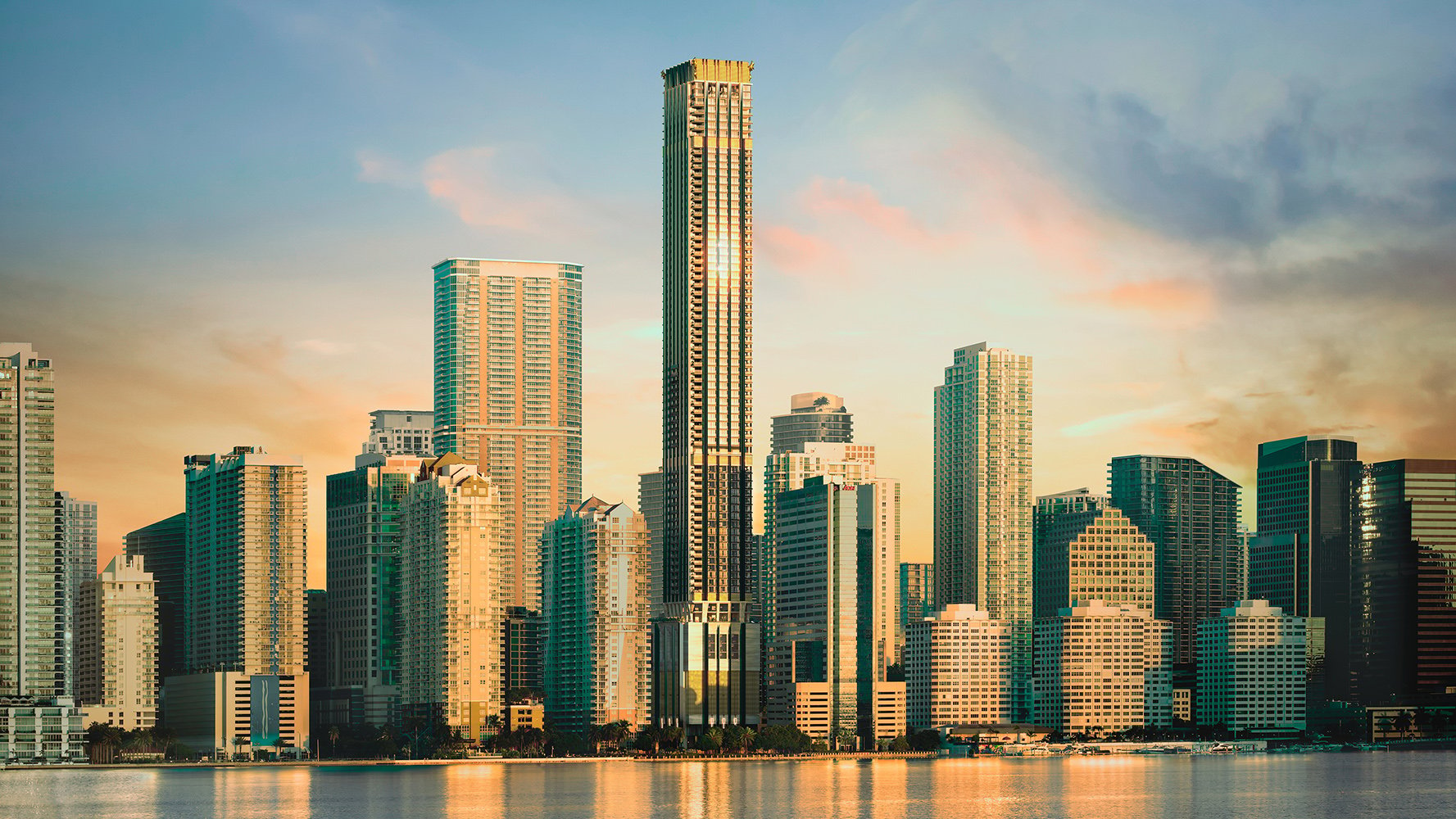
Luxury real estate in Midtown Miami is often evaluated through the visible language of design: ceiling heights, terraces, private elevator entries, imported finishes, service culture, wellness spaces, and skyline views. Yet one of the most consequential parts of a purchase is usually less photogenic: the written framework that defines what the developer will, and will not, stand behind after closing.
For a discerning buyer, developer warranty obligations should never be treated as administrative fine print. They shape the ownership experience during the critical first months and years, especially in new-construction and pre-construction purchases where systems, finishes, and building operations are still settling into daily use. The best question is not simply, “Is there a warranty?” The better question is, “What exactly is covered, for how long, by whom, under what process, and with what exclusions?”
Midtown buyers often compare residences across adjacent luxury districts, from the design-led energy around Miami Design Residences Midtown Miami to the more established vertical living of Brickell, Downtown, Edgewater, and Wynwood. In each setting, the warranty conversation should be equally rigorous.
Before signing or removing contingencies, ask for every warranty-related document that will govern your purchase. This may include the developer’s limited warranty, construction warranties, manufacturer warranties, appliance warranties, smart-home system documentation, finish schedules, maintenance manuals, and any association materials that affect common elements.
Request a simple warranty matrix. It should identify each covered category, the responsible party, the claim deadline, the notice method, the expected response protocol, and any exclusions. A matrix does not replace legal review, but it makes ambiguity visible. If a sales presentation suggests broad protection and the documents say something narrower, the documents usually matter more.
Ask whether the warranty begins at closing, delivery, certificate-related milestones, substantial completion, or another trigger defined in the contract. A luxury buyer should also confirm whether coverage differs for in-unit finishes, building systems, façade components, elevators, amenity areas, pool decks, garage areas, and mechanical equipment serving the residence.
Not every post-closing issue is the developer’s direct responsibility. Some items may be handled by a general contractor, subcontractor, appliance manufacturer, technology vendor, millwork provider, window supplier, or building association. The practical question is who coordinates resolution when something fails.
Ask whether the developer remains the single point of contact during the initial service period or whether the owner must pursue each vendor separately. In a high-touch luxury building, the difference is meaningful. A buyer purchasing near Brickell, perhaps while comparing 2200 Brickell with Midtown options, should expect the same clarity demanded of any premium asset: named contacts, written procedures, and defined escalation paths.
Also ask whether labor is included when a manufacturer warranty covers a component. A product warranty may sound comprehensive until an owner learns that diagnosis, access, removal, replacement, or finish restoration is handled differently. For custom interiors, the cost of accessing a concealed component can be as important as the component itself.
A luxury residence is a composition of many systems. Floors, cabinetry, stone, glass, plumbing fixtures, lighting controls, HVAC distribution, built-in appliances, balcony drainage, acoustic assemblies, shades, doors, hardware, and smart-home interfaces all have their own performance expectations.
Ask how cosmetic issues are treated versus functional defects. A scratch in stone, a cabinet alignment issue, a warped panel, or a lighting-control glitch may be addressed differently from a water intrusion concern or mechanical failure. The punch-list process should be explicit: when the inspection occurs, who attends, how items are documented, what photographs are accepted, and when completion is expected.
For residences with a balcony, terrace, or outdoor kitchen, ask how exterior private areas are classified. Are they treated as part of the unit, limited common elements, or another category in the governing documents? The answer can affect who is responsible for waterproofing, drains, railings, pavers, lighting, and repairs.
Many luxury buyers focus on the private residence, then discover that the most complex warranty issues live in shared areas. Lobbies, elevators, fitness rooms, spa suites, gardens, cabanas, garage systems, security infrastructure, and pool environments may involve separate vendors and different maintenance obligations.
Ask how common-area defects are reported before and after association turnover. Who controls the claim, the individual owner or the association? How are unresolved items tracked? What happens if an amenity is not complete, not operational, or materially different from the buyer’s expectation at closing?
In the broader Miami market, buyers weighing Midtown against EDITION Edgewater or Waldorf Astoria Residences Downtown Miami should resist comparing only renderings and amenity menus. The operational handoff matters. A beautiful amenity is only as compelling as the maintenance and warranty framework behind it.
Every warranty has boundaries. The exclusions deserve as much attention as the coverage. Ask whether normal wear, owner alterations, improper maintenance, misuse, humidity conditions, failure to service equipment, rental activity, or unauthorized vendors can limit coverage.
If you plan to customize immediately after closing, be precise. Built-ins, lighting revisions, audio-visual upgrades, closet systems, kitchen modifications, or bathroom enhancements can create disputes if a later issue appears near the altered area. Ask what approvals are required and whether work by outside contractors affects coverage.
For investment-minded buyers, this is especially important. If a residence may be leased, held as a second home, or used seasonally, confirm whether occupancy patterns, tenant use, or delayed discovery of issues affects claims. A lightly used residence can still require routine maintenance, and missed maintenance can become a warranty problem.
A polished delivery does not eliminate the need for independent review. Ask when your inspector, consultant, or owner’s representative can access the residence. Confirm whether inspection is allowed before closing, at delivery, during the punch-list period, and after repairs.
Luxury buyers often benefit from specialists who understand envelopes, mechanical systems, stone, millwork, glazing, terraces, and smart-home controls. Their role is not to create friction. It is to document the residence clearly so the developer and buyer can resolve issues with less ambiguity.
Ask how concealed conditions are handled if they appear after closing. Some issues are not visible during a walkthrough. The warranty should explain how notice is delivered, what evidence is required, and whether emergency conditions have a separate procedure.
Warranty protection is strongest when the buyer maintains a complete paper trail. Keep the signed contract, warranty documents, inspection reports, punch lists, photographs, service emails, repair confirmations, manuals, and maintenance records in one organized file.
When an issue appears, submit notice in the required format and within the required timeline. Describe the problem calmly, attach photographs or video when useful, and request written confirmation. Avoid relying solely on hallway conversations or informal text messages unless the documents permit them.
Buyers comparing Midtown with the creative residential momentum of Frida Kahlo Wynwood Residences should think beyond first ownership. Clean warranty records can become part of the resale narrative. They show that the residence was delivered, monitored, and maintained with discipline.
Should I ask for the developer warranty before signing a contract? Yes. Review the warranty language before committing so coverage, exclusions, and claim procedures are clear.
Is a developer warranty the same as an appliance warranty? Not necessarily. Appliance, vendor, and manufacturer warranties may have separate terms and claim procedures.
What should a warranty matrix include? It should identify the covered item, responsible party, duration, notice method, exclusions, and escalation path.
Should I hire an inspector for a new luxury residence? Yes. New residences can still have punch-list items, system calibration issues, or finish concerns.
What questions should I ask about common areas? Ask who reports defects, who controls claims, how repairs are tracked, and what happens after association turnover.
Can renovations affect warranty coverage? They can. Ask whether outside work, custom installations, or unauthorized vendors limit future claims.
How should I report a warranty issue? Follow the written notice procedure, include documentation, and keep dated copies of all communications.
Do luxury finishes require special warranty attention? Yes. Stone, millwork, glass, lighting controls, and terraces often need precise documentation and maintenance.
Is warranty diligence important for resale? Yes. Organized records can reassure future buyers that issues were handled and maintenance was taken seriously.
Who should review warranty documents with me? Consider qualified legal, inspection, and owner-representation advisors before closing or accepting delivery.
When you're ready to tour or underwrite the options, connect with MILLION.
If branded residences are on your mind — as a home or as an allocation — we would be glad to share what we are seeing, privately.
Begin a quiet conversation