A buyer-focused guide to assessing safe-room feasibility in North Bay Village residences, with emphasis on structure, approvals, privacy, utilities, and long-term value.
For luxury buyers considering life in North Bay Village, the safe-room question should be raised early, quietly, and with technical precision. It is not a theatrical request. It is a practical conversation about privacy, resilience, family routines, and the physical limits of a specific residence.
A safe room can mean different things to different buyers. For one household, it may be a reinforced interior room with independent communication. For another, it may be a protected suite integrated into a primary bedroom wing. In a condominium, feasibility may be shaped by building structure, shared systems, association rules, and the location of mechanical chases. In a single-family setting, the discussion can broaden to envelope design, access control, garage movement, and landscape sightlines.
The essential point is this: safe-room planning should never be treated as an afterthought. A finished residence may appear flexible, but walls, slabs, doors, ventilation, wiring, and emergency egress can impose real constraints. Buyers looking at North Bay Village, new-construction, waterview, marina, boat-slip, and high-floor searches should treat security readiness as part of core property diligence, not as a decorative upgrade.
The first question is not where the safe room goes. It is what the room is meant to accomplish. Is the priority temporary refuge, controlled communication, storm-adjacent resilience, medical privacy, protection for children or staff, or a layered security plan tied to the rest of the residence?
That answer changes the entire scope. A discreet refuge space may require a different door, lockset, communications path, and storage strategy than a hardened room designed around more extensive protective specifications. A buyer should also consider duration. A room intended for a brief interval has different ventilation, power, water, and comfort needs than a space designed for a longer hold period.
Luxury buyers often focus on finishes first, but a safe-room conversation rewards discipline. The correct sequence is use case, location, engineering, approvals, systems, interior design, and maintenance. The best result is almost invisible in daily life, yet dependable when needed.
In a condominium, feasibility is rarely a matter of desire or budget alone. The buyer must understand what can be altered inside the unit and what belongs to the building. Structural walls, exterior glazing, common elements, fire-life-safety systems, plumbing stacks, ventilation routes, and electrical capacity may all affect what is possible.
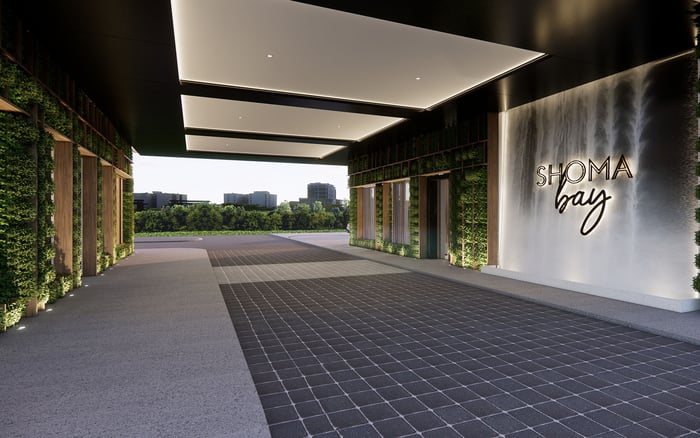
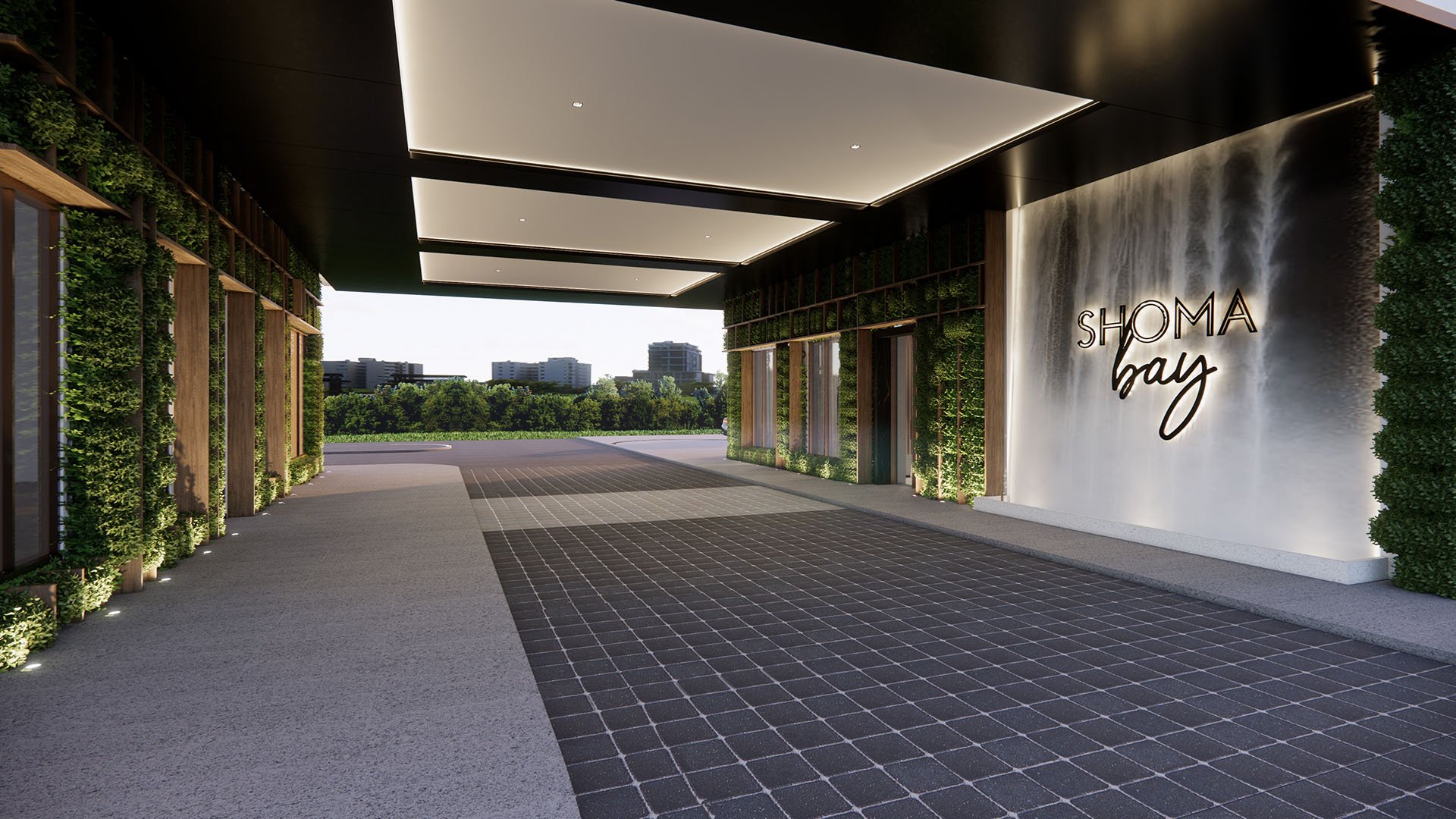
This is especially relevant when buyers compare established buildings with newer offerings such as Continuum Club & Residences North Bay Village, Pagani North Bay Village, and Shoma Bay North Bay Village. Each residence should be evaluated on its own documents, construction conditions, and approval pathways. A brand, view, or floor plan does not automatically answer the safe-room question.
Before going under contract, a buyer should ask whether the association has rules governing reinforced doors, smart locks, cameras, alarm integrations, interior construction hours, sound transfer, penetrations, and contractor insurance. The buyer should also determine whether any proposed work requires architectural review, engineering letters, permits, or board approval. If a modification touches shared infrastructure, the timeline can become more complex.
A safe room should be accessible without being conspicuous. In many luxury residences, the most intuitive location is near the primary suite, but that is not always the best answer. A primary bedroom may offer convenience, while an interior closet, study, service corridor, or secondary room may offer better concealment, fewer windows, and easier reinforcement.
Buyers should study the approach path. Can family members reach the room without crossing an exposed open-plan living area? Is there a secondary way to communicate from inside? Does the room sit near plumbing or mechanical systems that complicate reinforcement? Are there windows, glass walls, or balcony doors nearby that undermine the purpose?
The room should also suit daily life. A safe-room concept that ruins storage, interrupts circulation, or feels visually heavy will often be resisted by the household. The more elegant solution works as a dressing room, office, media room, or secondary suite element, with protective design quietly embedded.
The technical review should begin with structure and openings. Walls, ceilings, floors, doors, frames, hinges, locks, and any glazing must be considered as one system. Upgrading only one visible element can create a false sense of security if adjacent components remain weak.
In high-rise environments, floor loading and penetrations require careful attention. Heavy assemblies, specialty doors, additional equipment, independent power components, and cabinetry can change the load profile of a room. Buyers should rely on qualified professionals to evaluate whether the existing structure can accommodate the intended design.
Building systems matter as much as the enclosure. Communication should not depend on a single fragile connection. Ventilation should be considered, particularly if the room may be occupied for more than a short period. Power backup, lighting, device charging, camera feeds, and alarm integration should be planned as part of the original scope. A safe room without reliable air, power, and communication is incomplete.
For ultra-premium buyers, the privacy protocol can be as important as the construction. A safe room is sensitive by nature. The fewer people who know its exact specification, the better. Contractors, consultants, household staff, and property managers should be managed through a disciplined information plan.
That does not mean secrecy at the expense of compliance. It means limiting unnecessary detail, using appropriate professionals, and ensuring that drawings, access credentials, delivery schedules, and service visits are handled carefully. The most refined residences often achieve security through calm choreography rather than visible fortification.
Household training is also essential. Family members should know when and how to use the room. Staff should understand emergency communication protocols without being burdened with confidential technical details. If the residence is used seasonally, the owner should confirm that batteries, devices, locks, and systems are maintained even when the home is not occupied.
Safe-room feasibility should be addressed before a buyer is emotionally committed to a floor plan. During diligence, ask whether the seller has completed any prior security modifications, whether plans are available, and whether any past work was permitted or approved. Ask what walls are structural, what systems run through the preferred room, and what restrictions apply to interior alterations.
A buyer should also consider future resale. A well-executed safe room can feel like a premium resilience feature. A poorly integrated one can feel awkward, overbuilt, or difficult to explain. The objective is to preserve elegance. If the feature can be described as a secure study, reinforced dressing room, or private family retreat, it is more likely to blend with the broader luxury narrative.
Cost should not be evaluated in isolation. The better question is whether the property supports the buyer’s security expectations without compromising design, approvals, or livability. If the answer is uncertain, the buyer may prefer a different line, floor, building, or property type.
Should every North Bay Village luxury buyer ask about safe-room feasibility? Yes, if privacy, family security, or resilience planning matters to the purchase. The question is best raised early, before design assumptions become expensive.
Is a safe room easier in a house than in a condominium? Often, a house gives owners more control over structure and systems. A condominium may require association review and greater sensitivity to shared infrastructure.
Can a closet become a safe room? Sometimes, but only if the location, structure, ventilation, door assembly, and communications plan support the intended use. A professional review is essential.
Should buyers ask the association before closing? Buyers should understand association rules before closing if safe-room work is important. Approval requirements can affect timing, scope, and feasibility.
Does a high floor change the planning process? It can, particularly for access, evacuation planning, communications, and building systems. High-floor buyers should evaluate the room within the larger emergency plan.
Can safe-room design remain discreet? Yes, and discretion is usually the goal. The best designs function as normal rooms while quietly integrating stronger protective elements.
What professional should evaluate feasibility first? Start with a qualified architect or security consultant, then involve structural, mechanical, electrical, and permitting professionals as needed.
Will a safe room improve resale value? It may support value for the right buyer if it is elegant, compliant, and useful. Overly conspicuous or poorly documented work can have the opposite effect.
Should safe-room plans be shared with household staff? Staff should understand emergency protocols, but detailed specifications should be limited. Privacy and operational clarity should be balanced carefully.
Is this only for full-time residents? No, second-home owners may benefit as well, especially if maintenance, access, and monitoring are managed consistently while away.
If you'd like a private walkthrough and a curated shortlist, connect with MILLION.
If branded residences are on your mind — as a home or as an allocation — we would be glad to share what we are seeing, privately.
Begin a quiet conversation