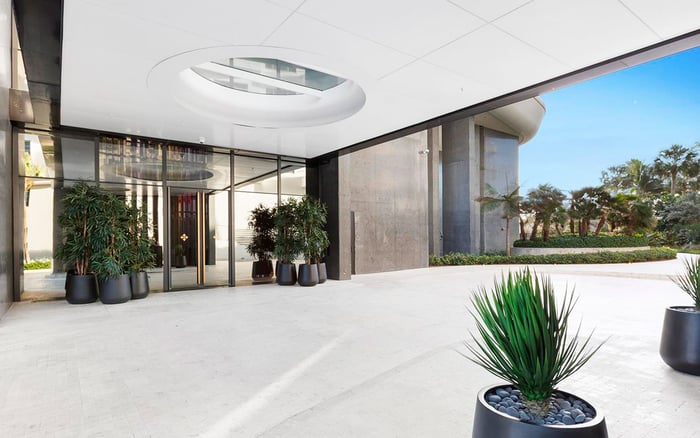
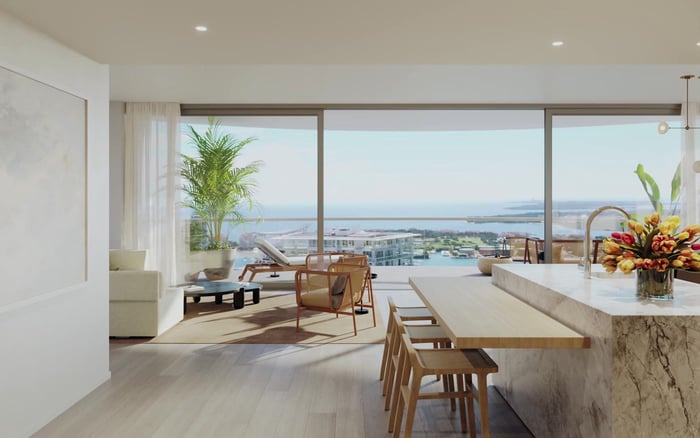
Casa Bella and Faena present distinct visions of collector living: one rooted in Downtown Miami’s cultural ecosystem, the other in a curated Miami Beach district. The decisive questions concern not only aesthetics, but also conservation, access, installation, security and building operations.
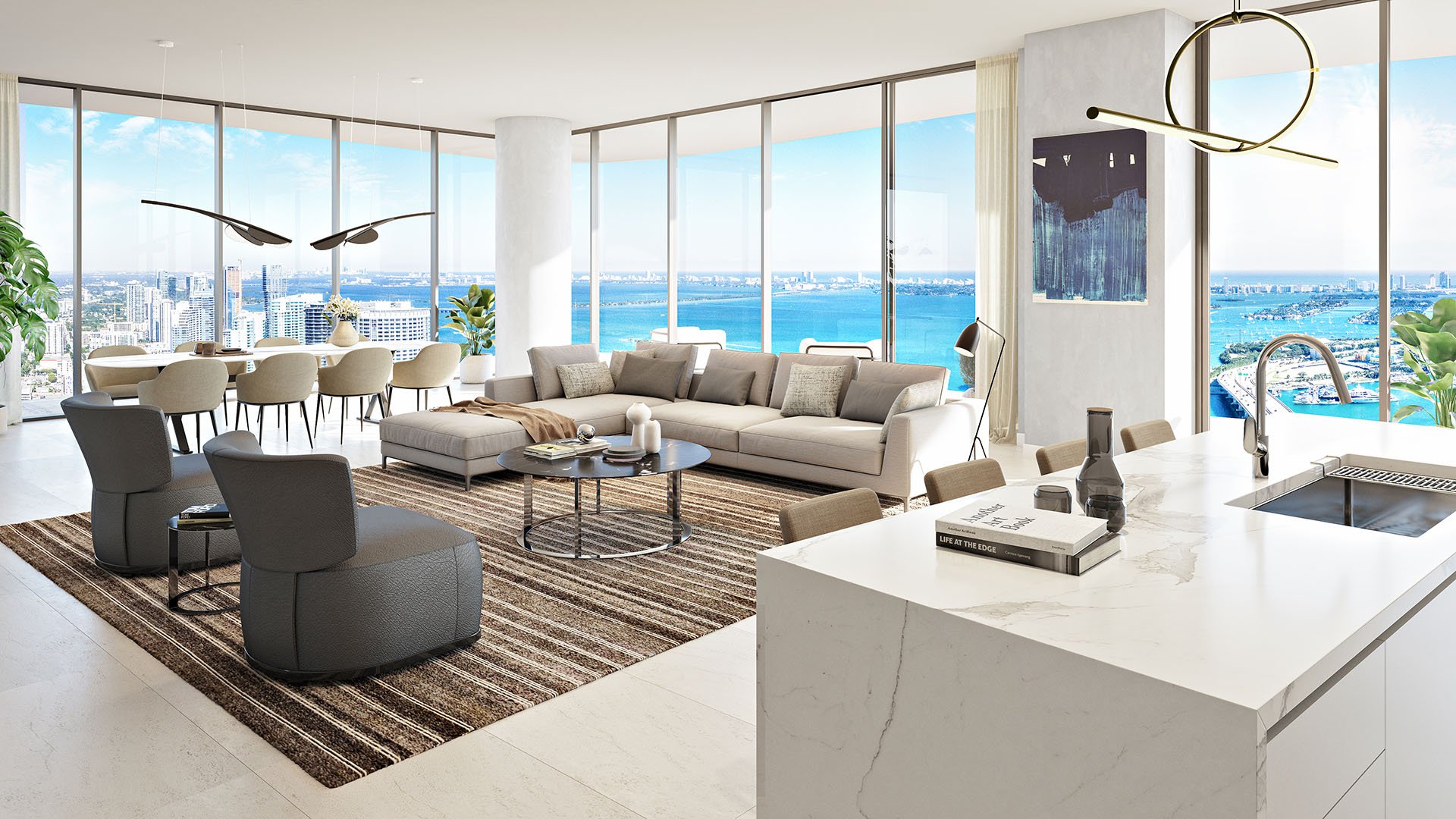
For an art collector, a residence is never merely a backdrop. It is a private exhibition environment where architecture, light, circulation and service must coexist with works that may be fragile, difficult to move or demanding to insure. In Miami, Casa Bella by B&B Italia Downtown Miami and Faena Residences Miami approach that proposition from markedly different settings.
Casa Bella is positioned as a design-led luxury tower in Miami’s downtown urban core. Its identity draws on B&B Italia’s Italian furniture and interior-design language, placing architecture and aesthetics at the center of its branded-residence proposition. Faena, by contrast, is associated with an art- and hospitality-oriented brand and a curated cultural environment in Miami Beach’s Faena District along Collins Avenue.
That geographic distinction is essential. For search continuity, the project may appear under the label Faena Residences Miami Downtown Miami, but buyers should not interpret that wording as confirmation that the residence is physically in Downtown Miami. It is better understood as a Greater Miami alternative.
Casa Bella offers the more direct connection to Downtown Miami’s museums, performing-arts venues, galleries and surrounding design districts. For collectors who consider regular cultural access part of daily life, that urban connection may carry more weight than the atmosphere of a secluded resort. The downtown context can also be compared with architecturally expressive neighbors such as One Thousand Museum Downtown Miami, though each building demands its own technical and operational review.
Faena presents a different vision of cultural proximity. Its appeal lies less in direct access to downtown institutions than in a district-based Miami Beach lifestyle, where art integration and hospitality-driven service shape the residential experience. Buyers considering the broader Faena setting may also examine Faena House Miami Beach to understand how the brand’s residential language operates in Miami Beach.
The choice, then, is not a simple contest between two towers. It is a decision between participating in Downtown Miami’s urban cultural ecosystem and immersing oneself in a curated beachfront district.
Casa Bella’s B&B Italia association gives it a distinct design vocabulary. That clarity can be compelling for buyers who want furnishings, interiors and architecture to read as a coherent composition. It also places the project firmly within the conversation around branded residences, where recognizable aesthetic authorship becomes a principal differentiator.
Faena’s proposition combines residential design, integrated art and hospitality. This may appeal to collectors who value a culturally programmed atmosphere and a service-led experience. In both cases, however, brand identity should be the beginning of due diligence, not its conclusion.
A beautiful room is not automatically an effective gallery. Buyers should assess uninterrupted wall area, ceiling heights and the relationship between circulation routes and display surfaces. Glazing can frame extraordinary views while introducing natural-light exposure that may be unsuitable for sensitive works. Marketing language that evokes museum quality does not, by itself, establish conservation-grade conditions within a private residence.
A collector’s review should move beyond visual impressions to measurable conditions. Begin with the walls: establish their usable dimensions, construction and capacity to accommodate the intended mounting systems. Then assess daylight throughout the day, including direct exposure and reflected glare. Window treatments and UV mitigation should be evaluated as specifications, not assumptions.
Climate control requires the same precision. Buyers should ask how temperature and humidity are managed within the residence, what degree of control is available to the owner and how conditions respond during maintenance or building interruptions. No project-specific specifications supplied here establish museum-grade humidity control, UV protection or dedicated private art storage, so each point requires direct confirmation.
Movement is equally consequential. Measure freight-elevator dimensions, door clearances, turning radii and the full route from loading area to residence. Ask whether oversized crates can be received, where they may wait and which vendors are authorized to manage installations. Sculptures and large-format canvases can reveal practical constraints that never appear on a floor plan.
For buyers prioritizing design and architecture, these operational details may seem prosaic. In practice, they determine whether an ambitious collection can be installed gracefully and maintained without unnecessary risk.
Building-management standards matter because collecting involves recurring activity. Works are received, unpacked, conditioned, photographed, installed, moved, insured and, at times, loaned. Every step can depend on service entrances, scheduling rules, elevator protection, approved contractors and security protocols.
Ask management how art handlers are credentialed, how loading access is supervised and whether installation hours are restricted. Clarify camera coverage, visitor procedures and access records for staff and vendors. Examine storage just as carefully, including whether crates, tools or temporary packing materials may remain on-site.
Insurance considerations belong in the same discussion. Buyers should establish what documentation their insurer requires and whether building policies can accommodate those requirements. Even the most refined lobby or residence cannot compensate for a service structure that makes routine collection care difficult.
Casa Bella is likely to resonate most strongly with a buyer seeking an Italian design identity and direct participation in the downtown cultural landscape. Faena may be more persuasive for someone who values an art-inflected district and a hospitality-centered residential experience in Miami Beach.
Neither proposition should be reduced to décor. The better choice is the residence whose private proportions, environmental controls and management practices align with the collection’s actual needs. Before committing, buyers should involve an art adviser, conservator, installer, insurer and appropriate property professionals to review plans, rules and access conditions.
Is Casa Bella located in Downtown Miami? Yes. Casa Bella is positioned within Miami’s downtown urban core.
Is Faena Residences physically in Downtown Miami? No. It is associated with Miami Beach’s Faena District along Collins Avenue and is better understood as a Greater Miami alternative.
Which project offers closer access to downtown cultural institutions? Casa Bella has the stronger direct connection to Downtown Miami’s museums, performing-arts venues, galleries and nearby design districts.
What defines Casa Bella’s design identity? Its concept is rooted in B&B Italia’s Italian furniture and interior-design identity.
What distinguishes Faena’s collector proposition? Faena emphasizes the convergence of residential design, integrated art and hospitality-driven service.
Does luxury branding guarantee museum-grade conditions? No. Buyers should independently verify climate, humidity, UV protection and other conservation requirements.
What interior measurements matter most for art display? Review usable wall area, ceiling heights, door clearances, circulation paths and the dimensions of the intended works.
Why should buyers inspect freight access? Elevator size, loading routes and turning clearances can determine whether large works and crates can reach a residence safely.
Which building policies deserve close attention? Examine receiving procedures, installation rules, approved vendors, access controls, security protocols, scheduling and storage permissions.
Who should participate in collector-focused due diligence? An art adviser, conservator, installer, insurer and relevant property professionals can evaluate distinct aspects of suitability.
For a discreet conversation and a curated building-by-building shortlist, connect with MILLION.
If branded residences are on your mind — as a home or as an allocation — we would be glad to share what we are seeing, privately.
Begin a quiet conversation