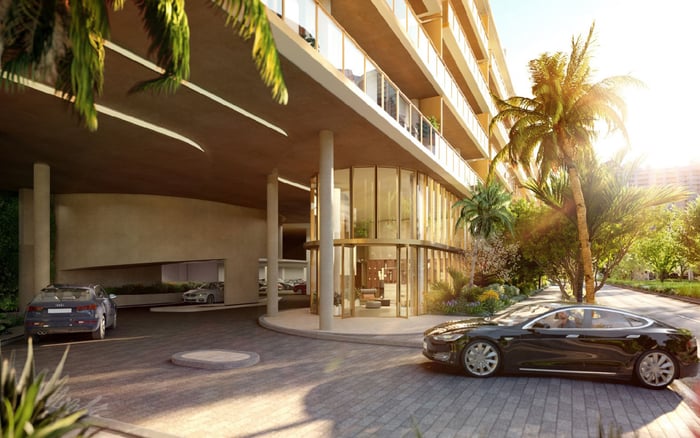
A discreet operating framework for a Paris-Brickell lifestyle, with practical considerations for the South Florida residence's humidity, water damage, remote monitoring, insurance documentation, and carefully defined vendor responsibilities.
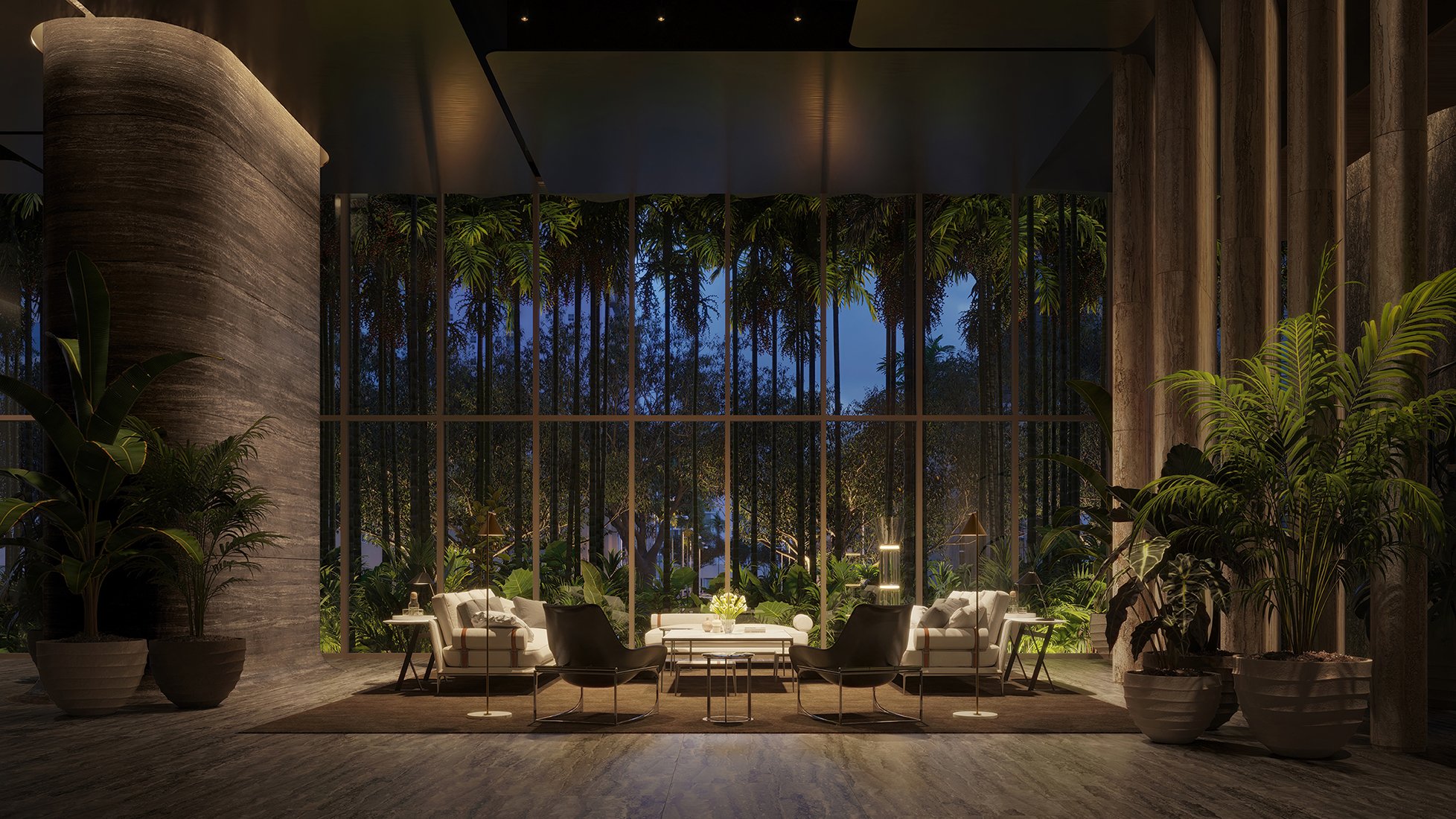
A two-city life between Paris and Brickell should feel effortless on arrival, not improvised in an emergency. The essential luxury is knowing what happens when a humidity concern, plumbing leak, or storm disrupts an otherwise quiet South Florida residence while its owner is abroad.
The operating plan deserves the same attention as the interiors. For buyers considering 2200 Brickell, the questions extend beyond the residence itself: who can inspect it, who receives an alert, and what action is permitted when the owner cannot respond immediately? These are due-diligence questions, not assumptions about a particular project's services.
Build the plan around four priorities: moisture prevention, safe leak response, meaningful climate monitoring, and documented vendor responsibilities. Tailor each to the home rather than carrying the same instructions unchanged between cities.
Miami-Dade's rainy season runs from May 15 through October 15. Hurricane season runs from June 1 through November 30. A long absence overlapping either window warrants a deliberate review of emergency contacts, insurance information, and access arrangements.
Before departure, ask building management how storm notices are communicated and how a resident abroad should report suspected damage. Confirm whom to contact if the primary representative is unavailable. Keep the residence's private plumbing emergency contact separate from public reporting numbers.
Storm planning also requires restraint. Evacuation decisions depend on the storm's track and projected storm surge, not its category alone. After a hurricane, remain inside until local officials confirm that going out is safe. A caretaker's inspection must never take priority over those directions.
For the Brickell residence, discuss appropriate humidity settings with the professional responsible for its care. Do not automatically apply instructions from another home to an unoccupied South Florida condominium.
A moisture plan should look beyond visible mold. Ventilation improvements and building-envelope repairs can be appropriate responses to humidity problems; the underlying cause matters as much as the surface appearance. Persistent dampness warrants reporting and investigation, with interim protective measures and an insurance claim where appropriate.
For a buyer evaluating The Residences at 1428 Brickell, this means a practical conversation about the residence's equipment, maintenance responsibilities, and escalation contacts. Ask the relevant professionals to establish an absence plan rather than choosing a generic vacant-home temperature or inspection interval.
Remote monitoring belongs alongside a clear assignment of responsibility. Before choosing equipment, ask a qualified professional what information would help assess the residence and which conditions should prompt an on-site review. A dashboard is not a substitute for investigating a suspected problem.
Decide who receives notifications, who checks whether action is needed, and who contacts building management. Ask how an interruption in connectivity or equipment operation would be handled. These are planning questions, not a prescribed sensor layout or a guarantee of continuous protection.
A written brief can record the agreed climate settings, the equipment being monitored, and the contacts responsible for follow-up. Establish those details specifically for the Brickell residence rather than transferring technical instructions unchanged from another home.
A suspected leak requires a clear handoff to the appropriate local contact. For a condominium, start with the building's emergency procedures and private plumbing contact rather than assuming a municipal service will handle an interior-unit problem.
Before post-disaster water-damage cleanup begins, establish that no structural, electrical, or gas hazards are present. Once hazards have been excluded, drying and disinfecting wet materials helps prevent mold. Wet or damaged carpeting and drywall may need removal to reduce mold risk, with work coordinated through appropriate professionals and the building's procedures.
Never walk or drive through standing floodwater; it can conceal deep holes or electrical currents. Interior flooding after a storm can be reported through 311. The public Water and Sewer number for reporting broken or leaking pipes is 305-274-9272, but it does not replace the condominium's private emergency contact.
A vendor's willingness to attend does not establish what that vendor is permitted to do. Before a long absence, ask management and legal advisers what access arrangements and written permissions are appropriate. Clarify the scope of work and the circumstances requiring further approval.
For purchasers considering Cipriani Residences Brickell, this is another important due-diligence conversation, without presuming any particular entry policy or service offering. Ask who coordinates access, which procedures govern contractors, and how emergency communications reach an overseas owner.
Do not assume an informal instruction authorizes demolition, insurance settlement, or unrestricted emergency entry. Confirm those matters separately with the relevant parties. Spending arrangements should likewise be agreed for the property and engagement, not treated as a universal dollar limit or standard approval system.
Waterfront ownership requires a clear distinction between what belongs to the individual residence and what calls for building-wide action. Flood-prevention measures can include elevating and securing electrical appliances, placing low-lying electrical fixtures on separate circuits, using flood-resistant materials, and addressing property grading. Their suitability and authorization require property-specific review.
Maintaining drainage and runoff paths, clearing blocked drains, and sealing vulnerable wall and door bases where appropriate are also relevant adaptation measures. In a condominium, do not assume an owner can independently modify exterior drainage, shared infrastructure, or the building envelope.
When reviewing Una Residences Brickell, use these subjects to frame questions about responsibility and permitted work, not to infer specific protections. Floodplain and Special Flood Hazard Area information is available through Miami's Building Department at 305-416-1111.
Photograph and list possessions, then keep the inventory with insurance-policy information for potential claims. Check whether both the property and its contents are covered rather than assuming one policy protects everything.
Consider keeping the contact sheet, inventory, and agreed operating instructions accessible to the people expected to respond. The objective is a residence whose care remains organized while its owner is elsewhere, with safety, permissions, and documentation addressed in advance.
For a considered approach to your next South Florida residence, explore MILLION.
If branded residences are on your mind — as a home or as an allocation — we would be glad to share what we are seeing, privately.
Begin a quiet conversationThe rainy season runs from May 15 through October 15. Review emergency contacts and access arrangements before an absence that overlaps this period.
Hurricane season runs from June 1 through November 30. Travel planning should account for this window as well as the rainy season.
Not automatically. Obtain property-specific guidance for the Brickell residence rather than transferring humidity or temperature instructions unchanged from another home.
The underlying moisture cause also needs investigation. Ventilation improvements or building-envelope repairs may be appropriate rather than treating only the visible surface.
First establish that no structural, electrical, or gas hazards are present. Cleanup should proceed only after those hazards have been excluded.
Wet or damaged carpeting and drywall may need removal to reduce mold risk. Coordinate the work with appropriate professionals and applicable building procedures.
No. The public Water and Sewer reporting number, 305-274-9272, is not a substitute for a condominium's private plumbing emergency contact.
Do not assume that availability or an informal instruction establishes that authority. Confirm access, work permissions, and approval requirements with management and appropriate advisers before departure.
Photograph and list possessions, and keep the inventory with insurance-policy information. Confirm that both the property and its contents are covered.
Only when conditions and official directions permit safe access. Remain inside until officials confirm it is safe to go out, and never walk or drive through standing floodwater.
.jpg&width=700&height=438&fit=cover)