A discreet buyer’s guide to trust ownership, privacy expectations, and planning discipline for Buenos Aires families considering Boca Raton and South Florida luxury property.
For a Buenos Aires family considering Boca Raton, the first conversation is often about lifestyle: security, schools, club culture, wellness, boating, and a gentler rhythm of daily life. The second conversation is quieter, and often more consequential: how should the property be owned, and how much privacy can a buyer reasonably expect?
Trust ownership belongs in that discussion, but it should not be treated as a cosmetic layer applied at closing. For international buyers, ownership structure touches estate planning, succession, banking, tax review, financing, insurance, and future resale. It can also shape how a family communicates with condominium associations, closing agents, lenders, and property managers.
The most sophisticated buyers begin with a simple premise: privacy is not invisibility. The objective is a clean, coherent structure that supports the family’s goals while remaining practical for every party that must approve, insure, finance, or later purchase the home.
Boca Raton holds particular appeal for buyers coming from Buenos Aires. It offers a residential environment that can feel composed rather than performative, with access to beaches, dining, private clubs, medical services, airports, and broader South Florida business corridors. For many families, the draw is less a trophy address than a durable base.
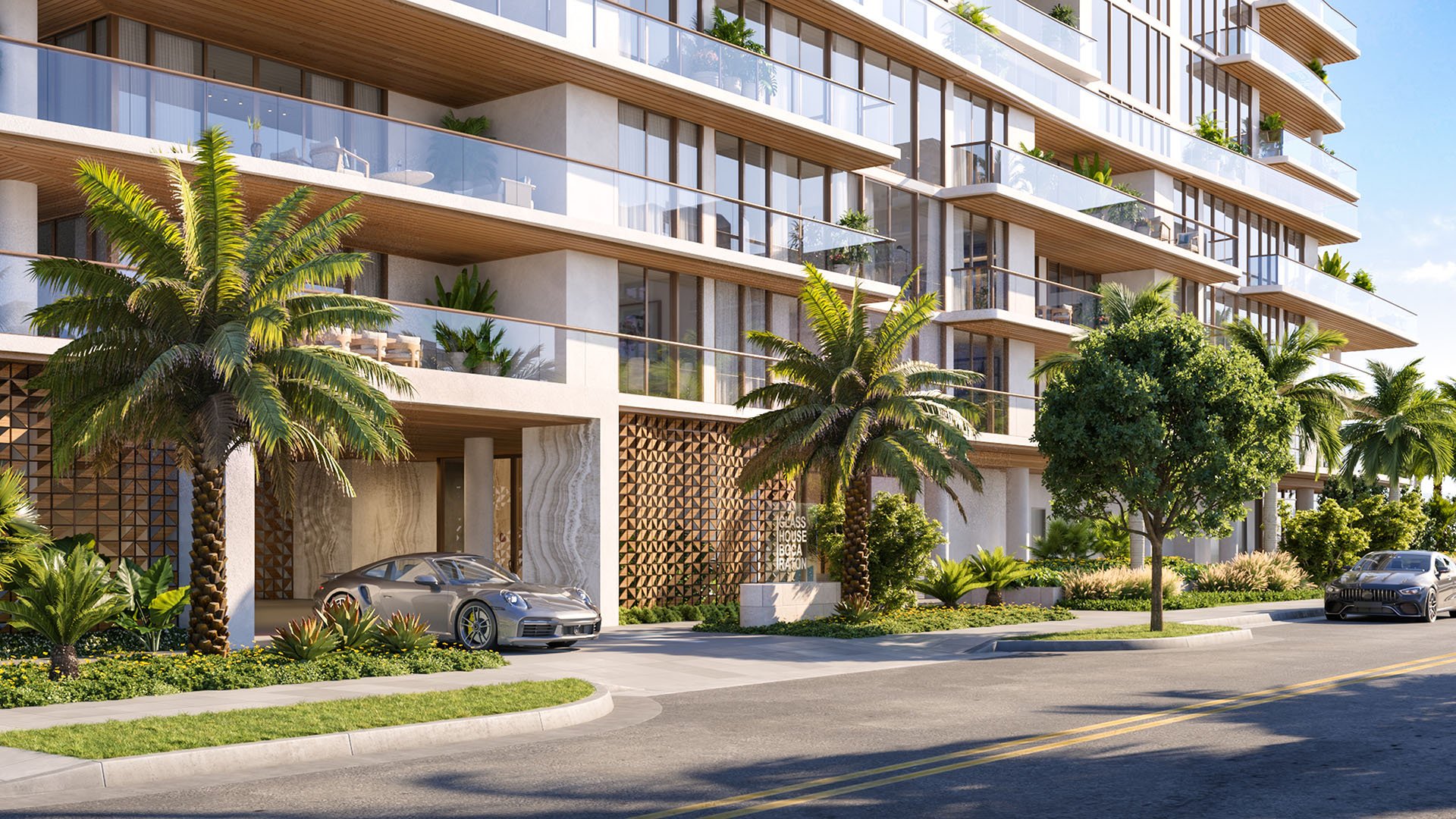
That is why projects such as Alina Residences Boca Raton resonate with buyers who want a lock-and-leave residence without surrendering a sense of permanence. In the same market, Glass House Boca Raton speaks to a design-forward audience weighing privacy, amenities, and ease of ownership with equal seriousness.
The buyer profile often intersects with Boca Raton lifestyle searches, investment planning, second-home use, new-construction preferences, and occasional Brickell business needs. Those priorities do not always point to the same ownership solution. A residence used by children, parents, guests, and staff may require a different approach than a purely seasonal property or a long-term hold.
A trust can be a useful ownership or planning vehicle, but its proper role depends on the buyer’s personal circumstances. Some families think of a trust primarily for succession planning. Others focus on privacy, administrative continuity, asset organization, or the ability to define who has authority to act if a principal is unavailable.
The essential point is that a trust is not a shortcut around diligence. A buyer should expect counterparties to ask appropriate questions about control, authority, funds, signatories, and approvals. If financing is involved, a lender may have its own requirements. If the property is in a condominium, the association process may call for documents or certifications. If insurance is required, the ownership structure must be intelligible to the carrier.
For a Buenos Aires buyer, the trust conversation should also be coordinated with counsel familiar with the buyer’s home-country obligations. A structure that feels elegant in one jurisdiction may create complexity in another. The stronger approach is not to chase maximum opacity, but to align privacy, compliance, inheritance goals, and operating simplicity.
The cleanest ownership planning happens before a letter of intent, reservation, or purchase agreement is signed. Once a contract identifies a buyer, any later change can create friction. That does not make changes impossible, but they should be anticipated rather than improvised.
Before making an offer, the buyer’s advisory team should decide who will sign, who will fund deposits, who has authority under trust documents, and whether the chosen structure will be acceptable for closing. If there is a trustee, the team should confirm that the trustee can act quickly and deliver required documentation. If the property will be financed, the lender should understand the structure early.
This is especially relevant in competitive buildings where discretion is paired with speed. A buyer considering The Residences at Mandarin Oriental Boca Raton may care deeply about service, privacy, and branded hospitality, but the contract file still needs to be orderly. Luxury does not remove paperwork. It simply raises the cost of delay.
Trust ownership involves more than naming a trust in a contract. Buyers should understand who the trustee is, what authority the trustee has, who may sign closing documents, how funds will be transferred, and how future decisions will be made. If the property will be leased, renovated, inherited, or sold, those future actions should be contemplated from the outset.
The title and closing teams may need to review excerpts, certificates, resolutions, or other confirming documents. The family should ask in advance what information will be required and who will see it. That question is not merely about privacy. It is about avoiding confusion at the point in the transaction when delays become expensive.
For Argentine buyers accustomed to high-touch advisory relationships, the South Florida process can feel direct and document-driven. That is not a flaw. It is a reason to appoint a coordinated team early, with each professional aligned around the same objective.
Privacy is also operational. A buyer may structure title carefully, then reveal more than intended through daily property use. Service staff, guest access, package handling, vehicle registration, club accounts, and association communications all create touchpoints. A privacy plan should therefore extend beyond closing.
In a full-service condominium or branded residence, the buyer should understand how management communicates with owners, who receives notices, how guests are approved, and whether a family office or representative can serve as the day-to-day contact. A trust can help organize authority, but it does not replace building rules.
This is where product selection matters. Some buyers prefer the calm of Boca Raton. Others want the business proximity and global energy of Miami, where a project such as 888 Brickell by Dolce & Gabbana may suit a more urban rhythm. The privacy question changes with the lifestyle pattern. A building used for entertaining, corporate trips, and high-profile visits needs a different operating plan than a quiet family retreat.
A well-designed structure should not trap the family. Before closing, buyers should ask how the residence would be sold, transferred, refinanced, insured, or passed to heirs. The answer may affect the choice of trust, the identity of the trustee, and the language of internal approvals.
For many Buenos Aires families, the South Florida residence is part of a broader global balance sheet. It may serve as a holiday home today, a student base tomorrow, and a retirement residence later. The ownership structure should be flexible enough to accommodate those transitions without sacrificing the original privacy goals.
There is no universal answer. A conservative structure that is easy to explain may outperform a complex arrangement that creates uncertainty. In luxury real estate, discretion is often achieved through disciplined simplicity.
Should a Buenos Aires buyer use a trust to buy in Boca Raton? It depends on the buyer’s estate, tax, privacy, and family objectives. The decision should be made with qualified legal and tax advisors before a contract is signed.
Does a trust guarantee complete privacy? No. A trust may support privacy planning, but buyers should expect appropriate review by transaction parties, lenders, insurers, and associations.
When should the ownership structure be chosen? Ideally before the offer or reservation stage. Early planning reduces the risk of contract amendments, approval delays, or closing complications.
Can a trust own a condominium residence? It may be possible, but the building, lender, title team, and closing process may require specific documents or approvals. Buyers should confirm requirements early.
Will using a trust affect financing? It can. Lenders may have their own underwriting and documentation standards for trust-owned property.
Who should be involved in the planning team? The team usually includes legal, tax, banking, title, insurance, and real estate advisors. Cross-border buyers should coordinate advice in both relevant jurisdictions.
Is privacy only about the name on title? No. Privacy also involves communications, guest access, management contacts, staff protocols, and how the residence is used day to day.
Can the structure be changed after signing a contract? Sometimes, but changes may require approvals or additional documents. It is better to decide the intended structure before signing.
Should a second-home buyer think differently from a full-time resident? Yes. Frequency of use, family access, staffing, financing, and long-term plans can all influence the best structure.
What is the most important principle for privacy-minded buyers? Plan for clarity first. A structure that is understandable, compliant, and flexible is usually more valuable than one designed only for opacity.
For a discreet conversation and a curated building-by-building shortlist, connect with MILLION.
If branded residences are on your mind — as a home or as an allocation — we would be glad to share what we are seeing, privately.
Begin a quiet conversation