A discreet buyer’s guide for relocating from Brooklyn to South Florida with a focus on wine storage, resilient cooling, and luxury-home due diligence.
Moving from Brooklyn to West Palm Beach changes how a luxury home is judged. In New York, a buyer may focus on ceiling height, elevator access, parking, private outdoor space, and the choreography of renovation approvals. In South Florida, those considerations still matter, but two quieter questions become central for serious collectors and seasonal residents: where will the wine live, and what happens when cooling is interrupted?
For a Brooklyn owner accustomed to a cellar, a professionally managed off-site collection, or a temperature-stable apartment, South Florida calls for a more deliberate approach. Heat, humidity, sunlight, vibration, and power continuity are not abstract technicalities. They shape the floor plan, the mechanical systems, and the long-term comfort of the residence. A beautiful home that cannot protect a meaningful collection or keep primary rooms comfortable during disruption is not fully aligned with how many ultra-premium buyers live.
West Palm Beach is especially compelling because it offers a softer landing than Miami’s most vertical neighborhoods while remaining connected to Palm Beach, dining, culture, marinas, private clubs, and airport access. The best acquisition is not simply the prettiest view. It is the home whose infrastructure supports the owner’s habits quietly.
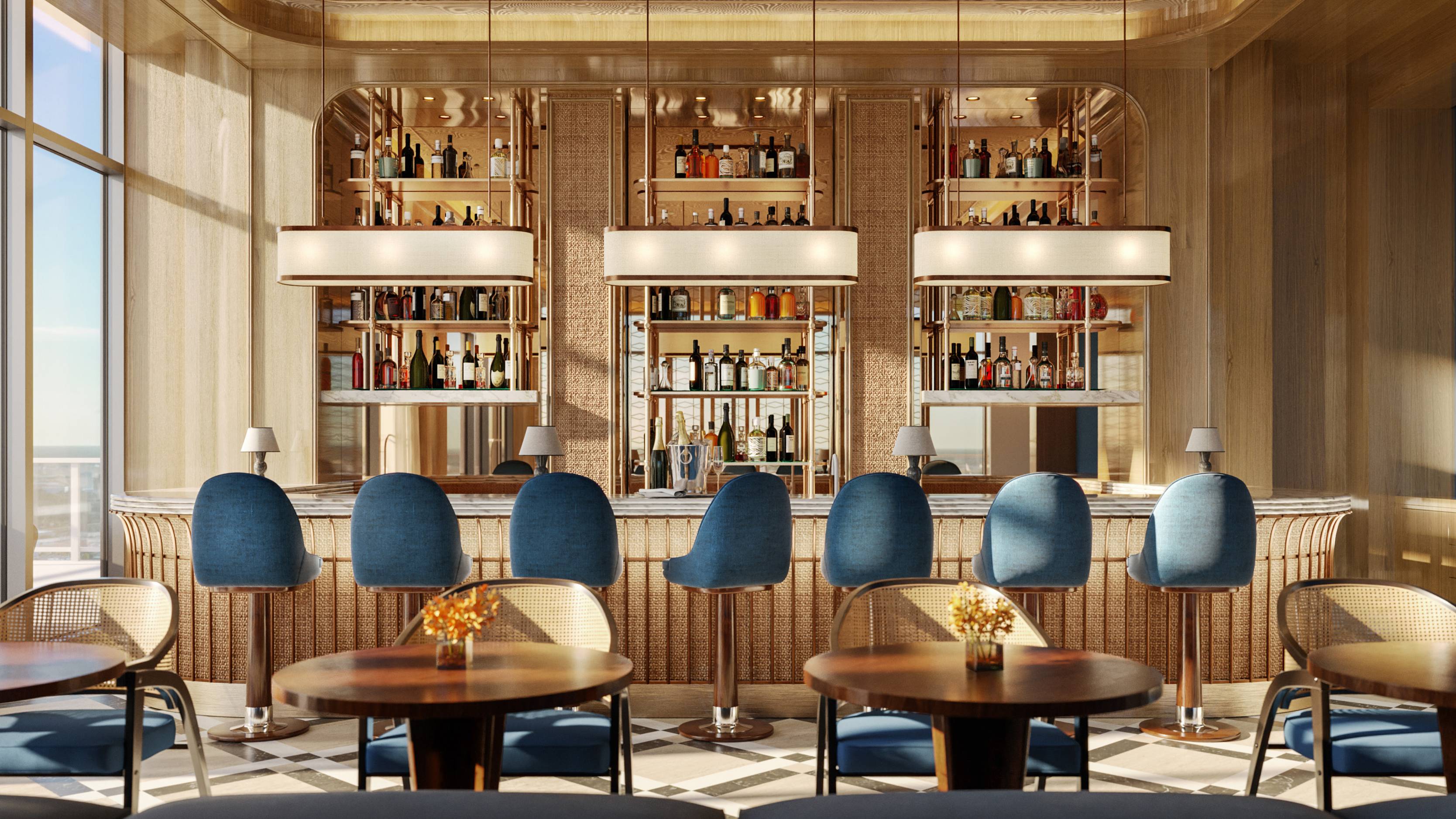
Wine storage should be planned as infrastructure, not furniture. A small display wall near a dining room can be elegant, but display storage is not the same as long-duration cellaring. Before choosing among a condominium, a townhouse-style residence, or a single-family home, buyers should define the collection’s real purpose. Is the wine for near-term entertaining, long-term aging, or both? Does the owner need case storage, bottle-by-bottle visibility, or a secure private room that service staff can access without crossing the primary suite?
The answer affects everything from room placement to electrical planning. A proper wine environment benefits from stable dedicated cooling, controlled humidity, minimal vibration, thoughtful insulation, and protection from direct sun. In a high-rise, the buyer should ask whether a wine room can be mechanically supported within the unit and whether any penetrations, condensate routing, or system upgrades require association review. In a house, the buyer should study whether the preferred location is sufficiently interior, elevated, and serviceable.
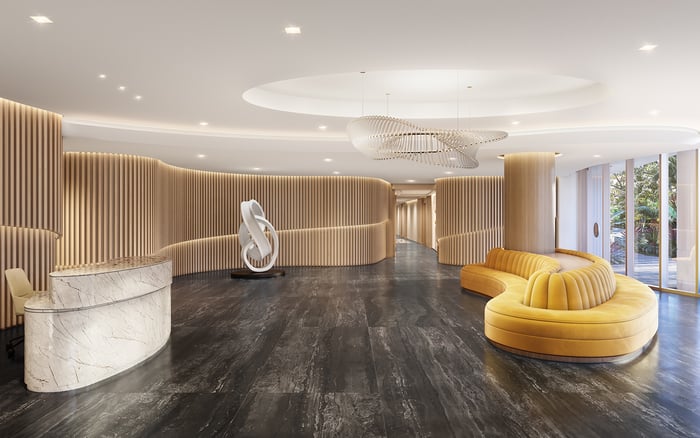
For buyers touring Alba West Palm Beach, the question is not only which residence has the right exposure or terrace. It is where a collector’s program could function without compromising the plan. The same discipline applies across West Palm Beach: a graceful entertaining sequence should be matched by concealed technical competence.
Backup cooling is often discussed too casually. A buyer may hear that a building or home has backup power, but that phrase can mean very different things. Does it support life-safety systems only, limited common-area functions, refrigeration, one air-conditioning zone, or a more meaningful portion of the residence? Does it activate automatically? How long is it designed to operate? Which rooms remain comfortable, and which mechanical systems are excluded?
For a primary residence, backup cooling is about comfort and continuity. For a second home, it is also about trust. If the owner is in Brooklyn, Europe, or the Hamptons when a power event occurs, the residence should not depend on improvisation. Remote monitoring, service contracts, leak detection, and clear building protocols matter. Wine storage raises the standard further because the most vulnerable area may be a compact enclosed room that depends on dedicated equipment.
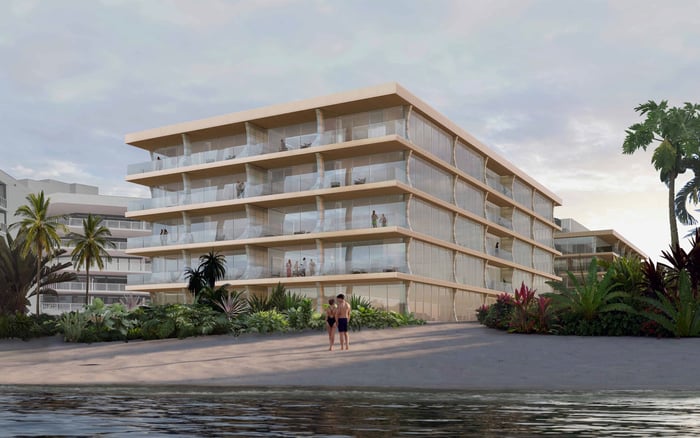
When comparing projects such as Forté on Flagler West Palm Beach, buyers should ask precise questions before falling in love with a view. Which systems are backed up? How are private mechanical systems maintained? Is there a documented plan for extended outages? The answers can separate a merely attractive residence from a genuinely resilient one.
A condominium can offer simplicity, security, staff, and a lock-and-leave lifestyle. For a Brooklyn buyer who travels frequently, that can be decisive. The tradeoff is control. Wine-room modifications, supplemental cooling, drainage, electrical loads, and after-hours access may be subject to association approvals and building rules. This does not make a condominium unsuitable for collectors. It simply means due diligence must begin before contract, not after closing.
A single-family home offers greater freedom to create a true cellar environment, install tailored mechanical systems, and plan more robust backup cooling. It may also place more responsibility on the owner to manage vendors, testing, and maintenance. A townhouse or boutique residence can sit between those extremes, offering privacy with some shared convenience.
The Brooklyn mindset is useful here. Buyers from brownstone and co-op environments understand that the best homes often conceal complexity behind calm surfaces. In South Florida, that complexity is mechanical. Ask to understand the air-conditioning zones, generator strategy, service routes, roof or equipment locations, noise considerations, and how easily a technician can reach the equipment without disturbing the residence.
West Palm Beach appeals to buyers who want refinement without constant density. It can feel more residential, more measured, and more closely tied to Palm Beach social rhythms. Miami, by contrast, often offers a more vertical, international, and design-forward energy. Neither is inherently better. The right answer depends on how the home will be used.
A buyer still connected to Miami business or dining may compare West Palm Beach with Brickell, where towers such as The Residences at 1428 Brickell represent a different urban equation. In Brickell, the analysis may lean toward building systems, parking flow, staff depth, and elevator experience. In West Palm Beach, the buyer may weigh privacy, terrace use, proximity to Palm Beach, and the ability to live more quietly.
For a collector, both markets require the same technical discipline. A wine wall in a sunlit entertaining room is not a cellar. A generator without meaningful cooling support is not a complete resilience plan. A beautiful residence without service access can become frustrating when specialized equipment needs attention.
A serious buyer should walk each residence with a written technical checklist. Start with the proposed wine area. Is it interior or exposed? Is there direct sun? Is there room for insulation and dedicated equipment? Can condensate be handled properly? Would equipment noise affect bedrooms, offices, or entertaining spaces? Is the location convenient for receiving deliveries and restocking?
Then turn to cooling. Identify every air-conditioning zone and ask what happens during an outage. Confirm whether backup power supports any private cooling systems and whether the wine equipment would remain protected. Review maintenance access, service history where available, and the process for emergency vendor entry. In a building, request clarity on association rules for modifications. In a house, evaluate where exterior equipment sits and whether landscaping, salt air, or drainage patterns create maintenance concerns.
At Mr. C Residences West Palm Beach, as with any residence under consideration, the most important questions are practical. Can the home support the buyer’s routines elegantly? Can service happen discreetly? Can the owner leave town with confidence?
The most successful South Florida homes make resilience invisible. A wine room can be a jewel box, but it should be planned around performance first. Backup cooling can be technical, but it should protect daily life without visual clutter. Mechanical rooms, risers, access panels, and service corridors are not glamorous, yet they often determine whether a luxury residence feels effortless after move-in.
This is where a design team should collaborate early with mechanical specialists, the building, and the owner’s wine advisor or storage manager. Finishes, lighting, glass, millwork, and display choices should be selected only after the technical envelope is defined. In South Florida, beauty that ignores climate is fragile. Beauty supported by infrastructure feels calm for years.
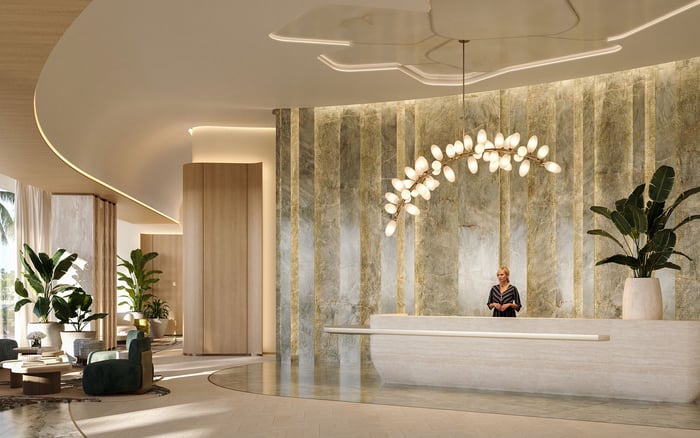
For buyers reviewing The Ritz-Carlton Residences® West Palm Beach, the opportunity is to consider lifestyle and systems together. The best residence is not simply the one that photographs well. It is the one that can host dinner, preserve a collection, stay comfortable, and remain manageable when the owner is away.
Brooklyn buyers often bring a discerning eye to proportion, materials, and neighborhood texture. That taste translates well to West Palm Beach, but the acquisition lens must widen. In South Florida, a home’s hidden systems deserve the same attention as its lobby, kitchen, terrace, and view.
Wine storage and backup cooling are not niche concerns. They are proxies for a larger question: has the residence been conceived for real ownership, or merely for presentation? When a home answers that question well, it feels composed. The cellar is quiet. The air is steady. The service plan is clear. The owner can arrive, entertain, leave, and return without anxiety.
Should a Brooklyn buyer prioritize wine storage before choosing a neighborhood? Prioritize lifestyle first, then test each residence against the collection’s needs. The neighborhood matters, but the home must support stable storage.
Is a wine display wall enough in South Florida? It may work for short-term entertaining bottles, but long-term collecting usually calls for a more controlled environment.
What should I ask about backup cooling in a condominium? Ask exactly which private systems receive backup power and whether any air-conditioning zones or wine equipment are included.
Can a wine room be added after closing? Often it can be explored, but approvals, mechanical capacity, drainage, and association rules should be reviewed before contract.
Why is West Palm Beach attractive for relocating Brooklyn owners? It offers a calmer residential rhythm while keeping buyers close to Palm Beach, dining, culture, and regional connectivity.
Is Brickell a reasonable alternative to West Palm Beach? Yes, especially for buyers wanting a more urban Miami lifestyle. The same wine and cooling due diligence still applies.
What is the most overlooked issue in wine-room planning? Service access is often overlooked. Equipment that cannot be reached discreetly can become a long-term nuisance.
Should backup cooling protect the entire home? Not always, but the buyer should know which rooms remain comfortable and whether critical storage areas are protected.
Are single-family homes better for collectors than condos? They may offer more control, while condos may offer staff and convenience. The better choice depends on the owner’s habits.
When should specialists review the residence? Before the contract becomes difficult to unwind. Early review helps align design ambition with mechanical reality.
For a confidential assessment and a building-by-building shortlist, connect with MILLION.
If branded residences are on your mind — as a home or as an allocation — we would be glad to share what we are seeing, privately.
Begin a quiet conversation