A disciplined framework for evaluating wellness amenities, operational quality, privacy, and real-world medical access when purchasing a luxury residence in Key Biscayne.
In Key Biscayne, the most persuasive wellness proposition is not necessarily the longest amenity menu. It is the combination of residence, building and neighborhood that supports a buyer’s actual routine with discretion, consistency and minimal friction. This 2026 framework gives equal weight to amenity quality, operating discipline and medical proximity.
Begin by defining wellness personally. One buyer may prioritize private training, open-air exercise and recovery space. Another may place greater value on quiet circulation, responsive service, accessible design or an easy trip to a preferred physician. The objective is to distinguish features that photograph well from those that will be used every week.
Before touring, create three columns: essential, valuable and optional. Assign every amenity, service and access consideration to one. This simple discipline keeps an impressive presentation from displacing the factors that govern long-term satisfaction.
A serious review should go beyond whether a pool exists. Ask how it functions during the hours you are most likely to use it. Observe privacy, shade, seating density, noise, access control and the transition from the residence to the amenity. Request the rules governing guests, instructors, children, pets and private events.
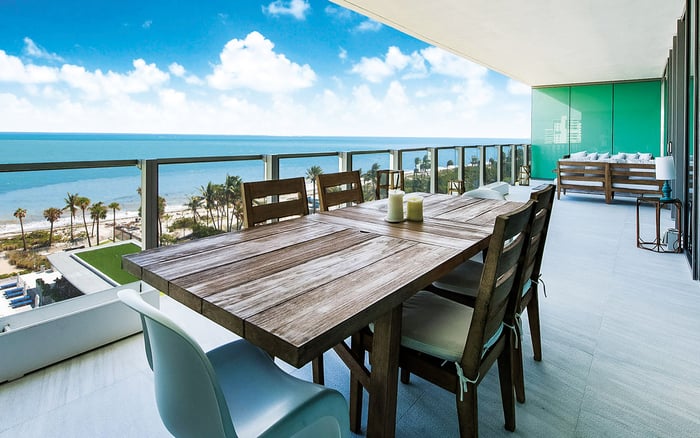
Approach beach access with the same precision. Trace the entire route, including elevators, gates, storage areas and return circulation. Consider how equipment, towels, footwear and wet clothing move through the property. Ease of use matters more than a nominal access point.
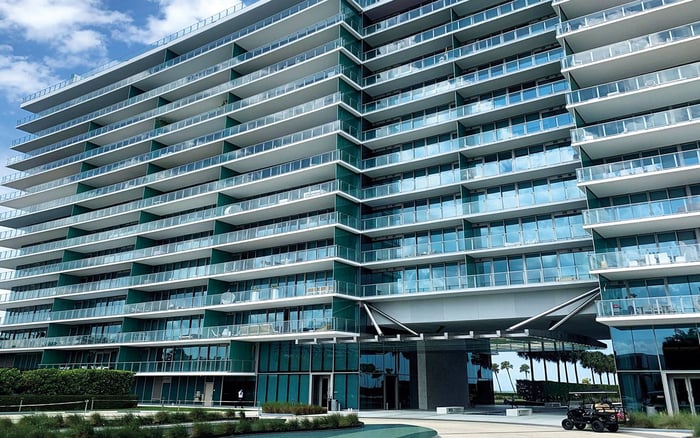
For a Key Biscayne benchmark, include Oceana Key Biscayne in the comparison set. The purpose is not to assume parity between properties, but to establish a consistent reference for evaluating privacy, arrival, outdoor routines and the relationship between home and shared spaces.
Evaluate wellness spaces as operating systems, not decorative rooms. During a tour, ask who manages reservations, how peak periods are handled, which cleaning cadence applies and how equipment replacement is approved. If classes or treatments matter, clarify whether they are resident services, third-party arrangements or occasional programming.
Inspect acoustic separation, ventilation, lighting, storage and changing areas. A gym beside a frequently used social room may function differently from a secluded training suite. A treatment room without a clear booking protocol may offer limited practical value. Even a beautiful studio can disappoint if access is constrained at a resident’s preferred times.
Buyers refining their wellness brief can compare the positioning of The Well Coconut Grove and House of Wellness Brickell. Use them to prompt sharper questions about programming, privacy, staffing and the line between promised services and binding residential obligations.
Measure medical proximity from the residence door to the point of care-not by straight-line distance or an optimistic map estimate. Identify the physicians, hospitals, urgent-care options, pharmacies and diagnostic services that matter to the household. Then test representative journeys at likely appointment times.
Record the complete trip: elevator wait, garage exit, pickup logistics, travel time, parking, building entry and return. If the household relies on a driver, confirm where the vehicle can wait and how a passenger with limited mobility would be assisted. If telehealth is part of the plan, assess privacy, connectivity and backup-power arrangements within the residence.
Medical needs also evolve. A second-home buyer may initially value routine appointments and pharmacy access, then later place greater importance on rehabilitation, specialist visits or home-based support. The best purchase is not built around fear. It is built around optionality.
Amenity value depends on governance and funding. With qualified advisers, review budgets, reserves, insurance, service contracts, maintenance responsibilities and recent meeting records. Determine which wellness components are common elements, which are operated separately and which may carry user fees.
Ask whether instructors, therapists or outside caregivers may enter and under what procedures. If a private sauna, fitness room, air-filtration upgrade or accessibility modification is contemplated, review the renovation rules. Confirm structural, electrical, plumbing, waterproofing and approval requirements before assigning value to a future plan.
Apply the same discipline to residences beyond the island. Vita at Grove Isle may serve as a nearby comparison when testing how location, privacy and the daily journey shape a wellness-focused decision. Comparisons should sharpen the brief, not distract from it.
Create a weighted scorecard with five categories: private-residence wellness, shared amenities, operating quality, medical access and long-term adaptability. Set the weighting before touring. A household with recurring specialist appointments may give medical access greater influence, while a full-time resident may emphasize daily amenity availability and management quality.
Score evidence, not impressions. A disclosed room should not receive full credit until its access, capacity and operating terms are understood. A short drive should not receive full credit until tested. A proposed in-residence improvement should remain provisional until approvals and feasibility are clear.
Finally, price the total wellness commitment. Consider recurring assessments, user charges, private training, transportation, equipment upkeep and potential residence modifications. The right property is the one whose benefits remain compelling once these costs and constraints are visible.
Luxury buyers often encounter polished spaces and persuasive narratives. The more refined response is calm verification. Visit more than once, include the household members who will use the amenities and bring relevant advisers into the review before contractual deadlines.
A Key Biscayne purchase should support the life a buyer intends to lead, not merely signal it. When wellness amenities are tested for practical utility and medical proximity is evaluated door to door, the decision becomes more personal, resilient and precise.
What should a Key Biscayne buyer evaluate first? Define the household’s essential wellness routines and medical needs before comparing properties.
How should a buyer value a condominium gym? Assess equipment, privacy, capacity, maintenance and access during preferred workout hours.
Is a large amenity menu always better? No. A smaller collection of well-operated spaces may deliver greater daily value.
How should medical proximity be measured? Test the complete door-to-door journey at realistic appointment times and under realistic conditions.
Should buyers review rules for outside wellness professionals? Yes. Confirm procedures for trainers, therapists, caregivers and other service providers.
Why do reserves matter to wellness amenities? Funding can affect maintenance, equipment replacement and the durability of service quality.
What should second-home owners prioritize? Favor simple booking, reliable management, secure access and routines that work after an absence.
How can buyers assess future accessibility? Review circulation, thresholds, elevators, bathrooms and modification rules with qualified advisers.
Should buyers compare properties beyond Key Biscayne? Selective comparisons can clarify tradeoffs involving privacy, services, travel and operating costs.
What belongs in the final purchase scorecard? Include private wellness, shared amenities, operations, medical access, adaptability and total cost.
For a tailored shortlist and next-step guidance, connect with MILLION.
If branded residences are on your mind — as a home or as an allocation — we would be glad to share what we are seeing, privately.
Begin a quiet conversation