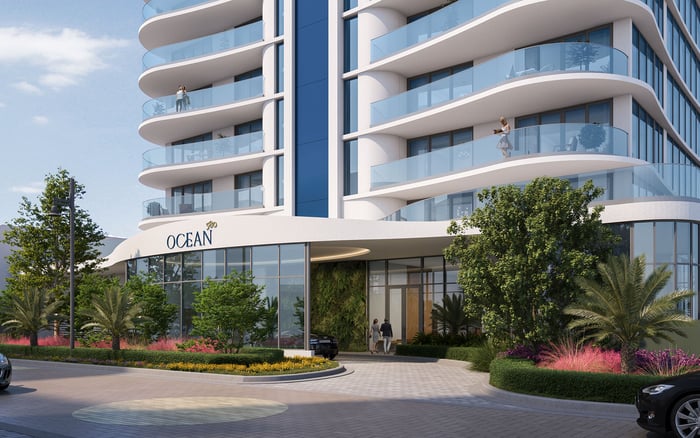
A discreet buyer’s guide to evaluating building security, privacy, operating costs, and day-to-day convenience in Edgewater’s luxury condominium market.
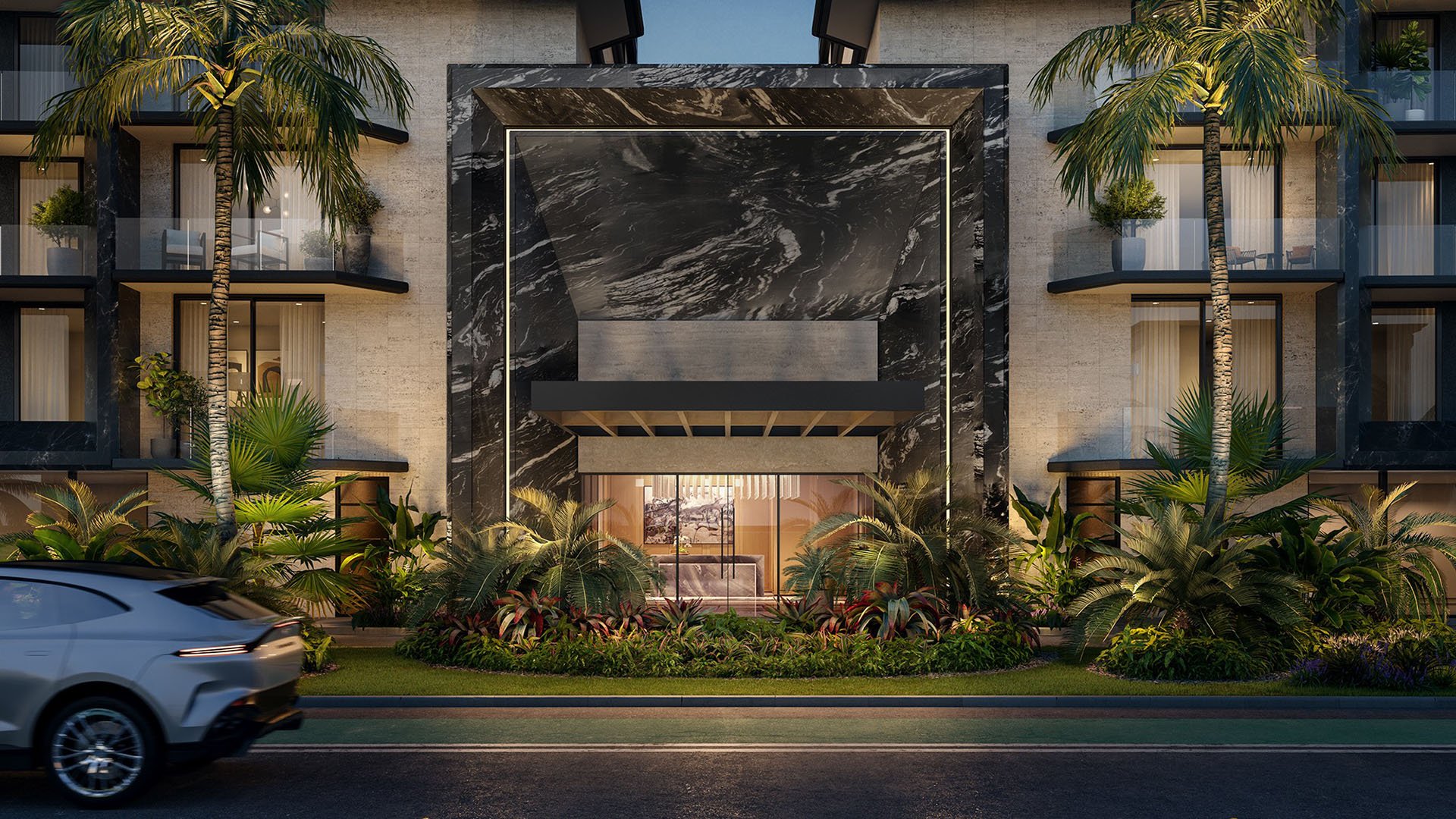
In Edgewater, security and privacy are more than amenity-list descriptors. They are operating choices that shape how residents, guests, staff, deliveries, vehicles, and vendors move through a building. For buyers, the central question is not whether a property presents itself as secure, but whether its protocols align with the household’s expectations without creating unwanted friction or disproportionate recurring expense.
That distinction matters for primary residences, investment purchases, and second-home ownership. A family living in Miami year-round may value controlled access and predictable visitor procedures differently than an owner who arrives periodically with household staff. The most suitable building is therefore not necessarily the one with the most checkpoints. It is the one whose layers function coherently in daily life.
A polished arrival may reveal little about the full security sequence. Buyers should trace the entire route from the street to the residence, noting where identity is confirmed, how vehicles enter, whether elevators require credentials, and how visitors are announced. Repeat the exercise for the garage, loading area, service access, amenity spaces, and waterfront edge, where applicable.
Consider human oversight and technology separately. Staffing can provide judgment, recognition, and hospitality, while access systems can create consistency and an auditable process. Neither should be assumed to compensate automatically for weaknesses in the other. Ask how protocols function during shift changes, peak delivery periods, private events, storms, and equipment interruptions.
For waterfront living, the perimeter warrants particular attention. Buyers can ask how access from promenades, docks, terraces, or adjacent public-facing areas is separated from residential circulation, without assuming every building addresses those interfaces in the same way.
Privacy begins before the front door. Arrival exposure, lobby circulation, elevator sharing, corridor configuration, service routes, and sightlines can all influence how discreet a residence feels. Inside the home, orientation and proximity to neighboring terraces may matter as much as formal access controls.
The most useful evaluation is practical. Consider whether a guest can reach the residence without crossing private resident zones, whether household staff have an appropriate route, and whether deliveries remain controlled without becoming cumbersome. Buyers with public profiles may prioritize separation and limited incidental contact. Families may place greater value on the easy recognition of caregivers, drivers, and frequent visitors.
Privacy can also conflict with spontaneity. Multiple approvals may feel reassuring when an owner is away, yet tedious during a dinner, event, or busy household transition. The objective is calibrated discretion, not maximum resistance at every point.
Project comparisons become more useful when every property is tested against the same questions. A buyer considering Aria Reserve Miami might begin with arrival, vertical circulation, guest authorization, and service access, then apply the same sequence when reviewing EDITION Edgewater.
The approach is equally useful for The Cove Residences Edgewater and Villa Miami. These links offer starting points for project-specific inquiry, but buyers should request current documents and direct explanations before reaching conclusions about protocols, expenses, or the resident experience.
This discipline is especially important with new construction, where presentation materials may describe an intended lifestyle while the final operating model continues to take shape. Focus on what will be delivered, who will operate it, what residents will fund, and which procedures may be governed by association policy rather than physical design.
Security carries both visible and less visible costs. Buyers should examine staffing, access-control systems, credential administration, cameras, monitoring, gates, garage controls, maintenance agreements, insurance-related requirements, and reserves for eventual replacement. The relevant question is not whether any single line item appears expensive, but whether the combined operating structure is durable and appropriate for the building.
Request the proposed or current budget, recent financial statements when available, reserve information, applicable association disclosures, and any material contracts available for review. Ask which security expenses are recurring, which are capital items, and which could change with staffing levels or vendor renewals. Determine whether specialized access devices carry replacement charges and how credentials are managed for tenants, guests, contractors, and domestic staff.
A lower monthly obligation does not automatically represent better value if essential systems are underfunded. Conversely, a more elaborate protocol is not inherently superior if residents routinely bypass it or it complicates ordinary life. Carrying costs should be evaluated alongside execution, not in isolation.
A meaningful building tour should simulate real routines rather than showcase only formal spaces. Arrive by car and on foot. Imagine a guest arriving after hours, groceries being delivered, a dog walker requesting access, or a contractor needing temporary authorization. If the residence will be occupied seasonally, ask how the property is checked and how vendors enter while the owner is away.
Owners who entertain frequently may prefer an efficient guest-management process. Households with children may prioritize controlled circulation that remains intuitive. Collectors or high-profile residents may focus on discreet loading, private movement, and limited exposure. None of these preferences is universally correct. Each reflects a different balance among protection, privacy, hospitality, and convenience.
Observe the tone as well as the procedure. Luxury service should feel composed, but buyers should decide whether the building’s culture is formal, familiar, or highly controlled. That atmosphere can shape daily satisfaction long after the finishes and views have become familiar.
Before contracting, prepare a concise matrix covering arrival, parking, elevators, visitors, deliveries, service personnel, amenities, emergency procedures, technology, staffing, and related costs. Record both the stated rule and how it operates in practice. Where permitted, review governing documents and policies with appropriate legal, financial, insurance, and technical advisers.
Finally, distinguish non-negotiables from preferences. If direct elevator control, discreet service circulation, or strict visitor authorization is essential, identify it early. If convenience matters more than layered screening, say so. A clear hierarchy turns security from a vague luxury promise into a measurable component of ownership.
Do more security layers always create greater privacy? Not necessarily. Effective privacy depends on coherent circulation, consistent enforcement, and protocols residents can realistically follow.
Can security affect monthly carrying costs? Yes. Staffing, monitoring, access systems, maintenance, contracts, and replacement planning can contribute to recurring or future expenses.
What should buyers examine during an Edgewater tour? Trace the routes residents, visitors, vehicles, deliveries, vendors, and household staff use from entry to destination.
Why does elevator access matter? Elevator controls can shape who reaches residential floors and how often residents share circulation with guests or service personnel.
Should a buyer review the association budget? Yes. The budget can connect security operations with recurring charges, staffing assumptions, maintenance obligations, and reserve planning.
How should seasonal owners assess access procedures? They should test how guests, property managers, contractors, and domestic staff are authorized while the owner is away.
Can strict visitor controls reduce convenience? They can. Buyers should assess whether approvals remain efficient during entertaining, after-hours arrivals, and frequent household activity.
Are cameras alone a complete security strategy? No. Cameras are one component and should be considered alongside access control, staffing, circulation design, monitoring, and response procedures.
What matters most for a high-profile buyer? Discreet arrival, controlled vertical circulation, private service movement, and consistent staff practices may be particularly important.
When should specialists review security-related documents? Review should occur before contractual deadlines, with qualified advisers evaluating legal, financial, insurance, and technical implications.
To compare the best-fit options with clarity, connect with MILLION.
If branded residences are on your mind — as a home or as an allocation — we would be glad to share what we are seeing, privately.
Begin a quiet conversation