A buyer-focused guide to West Palm Beach address zones where daily life can be meaningfully car-light, from CityPlace and Clematis Street to South Flagler Drive, Flamingo Park and Grandview Heights.
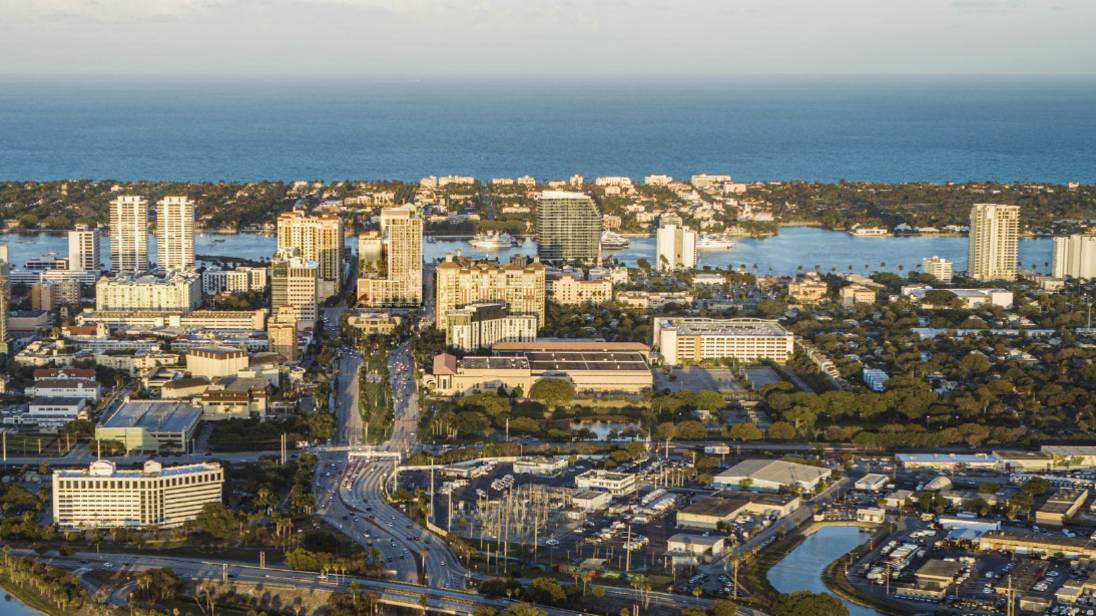
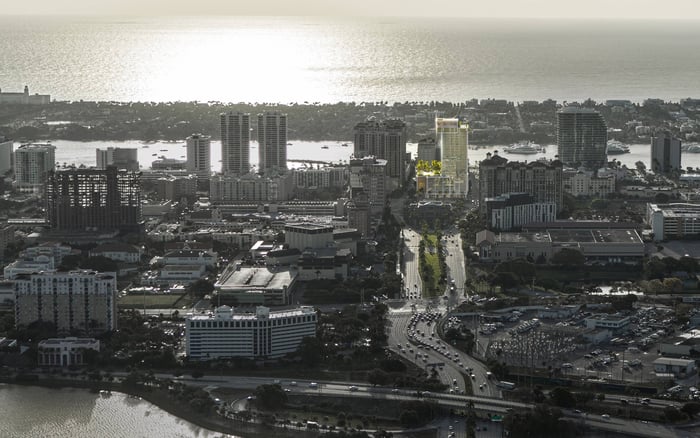
In West Palm Beach, the most luxurious form of convenience is not simply a private garage or valet stand. It is the ability to step outside and let the day unfold on foot: morning coffee, fitness, lunch, galleries, dinner, waterfront air and a short ride home without turning an ignition. For owners accustomed to South Florida’s car-first geography, that distinction makes address selection unusually important.
The city supports a car-light lifestyle most convincingly in its downtown core and the immediate neighborhoods around it. This is not a promise of full car independence across every errand or every part of the city. It is a more precise proposition: choose the right address near CityPlace, Clematis Street, the waterfront or the close-in historic neighborhoods, and many daily routines can become walkable, trolley-supported or simply less dependent on driving.
For buyers using search shorthand, West Palm Beach, Downtown and Palm Beach are often the broad labels. The real work is more refined. A building five minutes from a dining corridor may live very differently from one that is nominally central but separated from the daily rhythm of shops, restaurants and the water.
1. CityPlace area: the mixed-use anchor
CityPlace is the clearest reference point for owners who want retail, restaurants, entertainment and residences within the same downtown ecosystem. For buyers who value a lock-and-leave routine, this area makes the strongest case for fewer daily car trips.
The best nearby addresses allow residents to use CityPlace as a living room rather than a destination. That means evaluating the pedestrian route, not just the straight-line distance. Crossings, shade, nighttime comfort and the quality of the walk all determine whether the car truly stays behind.
2. Clematis Street: dining, nightlife and retail access
Clematis Street remains one of downtown West Palm Beach’s strongest walkable corridors, especially for owners who want restaurants and evening energy close by. Addresses near Clematis tend to appeal to buyers who prefer urban texture over resort seclusion.
For luxury owners, the key is balance. The closer one lives to the corridor, the more immediate the access. A few blocks away may offer a quieter residential feel while preserving the ability to walk to dinner, meet friends or reach the waterfront without a drive.
3. Waterfront and South Flagler Drive: recreation with polish
The West Palm Beach waterfront and South Flagler Drive add a different kind of walkability. Here, the daily value is less about errands and more about open-air ritual: a morning walk, a sunset route, a direct connection to the city’s most scenic edge.
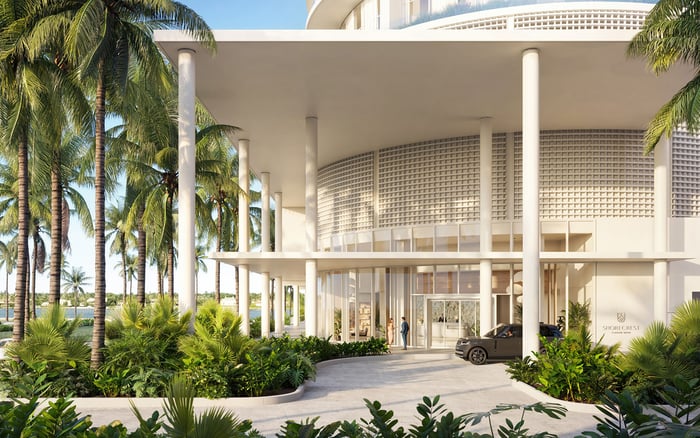
Buyers comparing this part of the market often weigh serenity against immediate retail access. Residences such as Forté on Flagler West Palm Beach and Shorecrest Flagler Drive West Palm Beach show how Flagler Drive positioning fits within the broader West Palm Beach lifestyle conversation.
4. Flamingo Park and Historic East Village: neighborhood-scale walkability
Flamingo Park and Historic East Village suit buyers who want proximity to downtown without living directly on the main commercial corridors. The appeal is softer and more residential, with historic neighborhood character that can feel more intimate than the vertical downtown core.
These addresses are best for owners who are comfortable with a car-light rather than car-free life. Some days will be walkable, especially for nearby dining or downtown plans. Other errands may still call for a vehicle or ride service. The reward is a more neighborhood-oriented setting close to the city’s amenities.
5. Grandview Heights and Fern Street adjacency: historic calm near the action
Grandview Heights offers another close-in option for buyers who want older residential texture near downtown convenience. It is not the same proposition as living above or beside a mixed-use district, but its proximity to the city’s restaurants, shops, culture and waterfront keeps it relevant for owners who want fewer routine drives.
Fern Street also belongs in the walkability conversation because it links residential development with restaurants, galleries and waterfront access. For buyers who value the in-between spaces of a city, the streets connecting downtown nodes can be as important as the destinations themselves.
The most practical screen is proximity to CityPlace, Clematis Street and the waterfront. If an address gives convenient access to at least two of those three, it is likely to feel more flexible day to day. If it connects comfortably to all three, it belongs in the strongest tier of car-light West Palm Beach living.
The second screen is housing format. Downtown lofts, apartments and mixed-use residences are naturally aligned with a lower-driving routine because they sit closer to retail, dining and entertainment. Larger homes in historic neighborhoods can still work, but the lifestyle depends more on the owner’s tolerance for walking distance and occasional rides.
The third screen is mobility support. West Palm Beach’s free trolley service strengthens the downtown experience by helping residents move around central destinations without relying entirely on a car. It does not turn the entire city into a car-free environment, but it meaningfully improves the practical appeal of central addresses.
Luxury marketing increasingly emphasizes urban convenience, nearby fitness, restaurants and entertainment, and that is not accidental. The buyer profile has shifted. Many owners still keep cars, but they no longer want the car to define every decision. For those weighing new residences, Mr. C Residences West Palm Beach and Alba West Palm Beach reflect how West Palm Beach project searches now sit within a broader demand for convenience, service and access.
The CityPlace buyer wants immediacy. This owner is likely to value restaurants, shopping, entertainment and quick plans more than a deeply residential streetscape. The best address makes downtown feel effortless, especially during evenings and weekends.
The Clematis Street buyer wants energy. They may prioritize dining, nightlife and the ability to meet friends without a parking discussion. For this buyer, a slight remove from the corridor can be the difference between vibrancy and too much activity.
The South Flagler buyer wants refinement and ritual. Walkability is measured in waterfront loops, views, fresh air and graceful access to downtown rather than pure errand efficiency. This is where the car may stay parked for leisure, even if some practical tasks still require it.
The Flamingo Park or Grandview Heights buyer wants neighborhood character. They want the city close, but not necessarily at the front door. This is often the right choice for owners who enjoy walking and appreciate historic texture, yet still want a more residential daily setting.
The most successful purchase will be honest about habits. If the owner wants to walk to dinner three nights a week, buy near the dining corridors. If the owner wants a waterfront ritual, prioritize Flagler. If the goal is to keep the car available but less central, the near-downtown historic neighborhoods may be ideal.
Can owners live fully car-free in West Palm Beach? Some owners may manage it in the downtown core, but the better expectation is car-light living. More suburban parts of the city remain more vehicle-dependent.
What is the strongest area for leaving the car behind? Downtown West Palm Beach is the clearest target because residential, dining, retail and entertainment uses are clustered in a pedestrian-oriented core.
Why does CityPlace matter so much? CityPlace combines residences, shopping, restaurants and entertainment in the downtown area. That mix makes it one of the most practical anchors for daily convenience.
Is Clematis Street better for dining or everyday errands? Clematis Street is especially strong for dining, nightlife and retail access. It works best for buyers who want an energetic urban corridor nearby.
Who should consider South Flagler Drive? South Flagler suits owners who prioritize waterfront recreation, scenery and polished access to downtown. It is more about lifestyle rhythm than pure errand walkability.
Are Flamingo Park and Historic East Village walkable? They can support a car-light routine for buyers who want neighborhood scale near downtown. They are not the same as living directly on a commercial corridor.
Why is Grandview Heights relevant? Grandview Heights offers historic housing close to downtown amenities. It can suit buyers who want walkability without living in the busiest core.
Does the free trolley change the equation? Yes, the free trolley supports mobility around downtown and nearby destinations. It strengthens central living but does not replace a car for every need.
What housing formats are most aligned with this lifestyle? Downtown lofts, apartments and mixed-use residences are the most natural fit. Historic homes nearby can also work for owners comfortable with selective driving.
What is the best way to shortlist comparable options for touring? Start with location fit, delivery status, and daily lifestyle priorities, then compare stacks and elevations to validate views and privacy.
To compare the best-fit options with clarity, connect with MILLION.
If branded residences are on your mind — as a home or as an allocation — we would be glad to share what we are seeing, privately.
Begin a quiet conversation