A buyer-focused MILLION Luxury guide to choosing South Florida waterfront towers that capture sunrise over the bay or ocean while preserving privacy and a quieter feel after winter crowds recede.
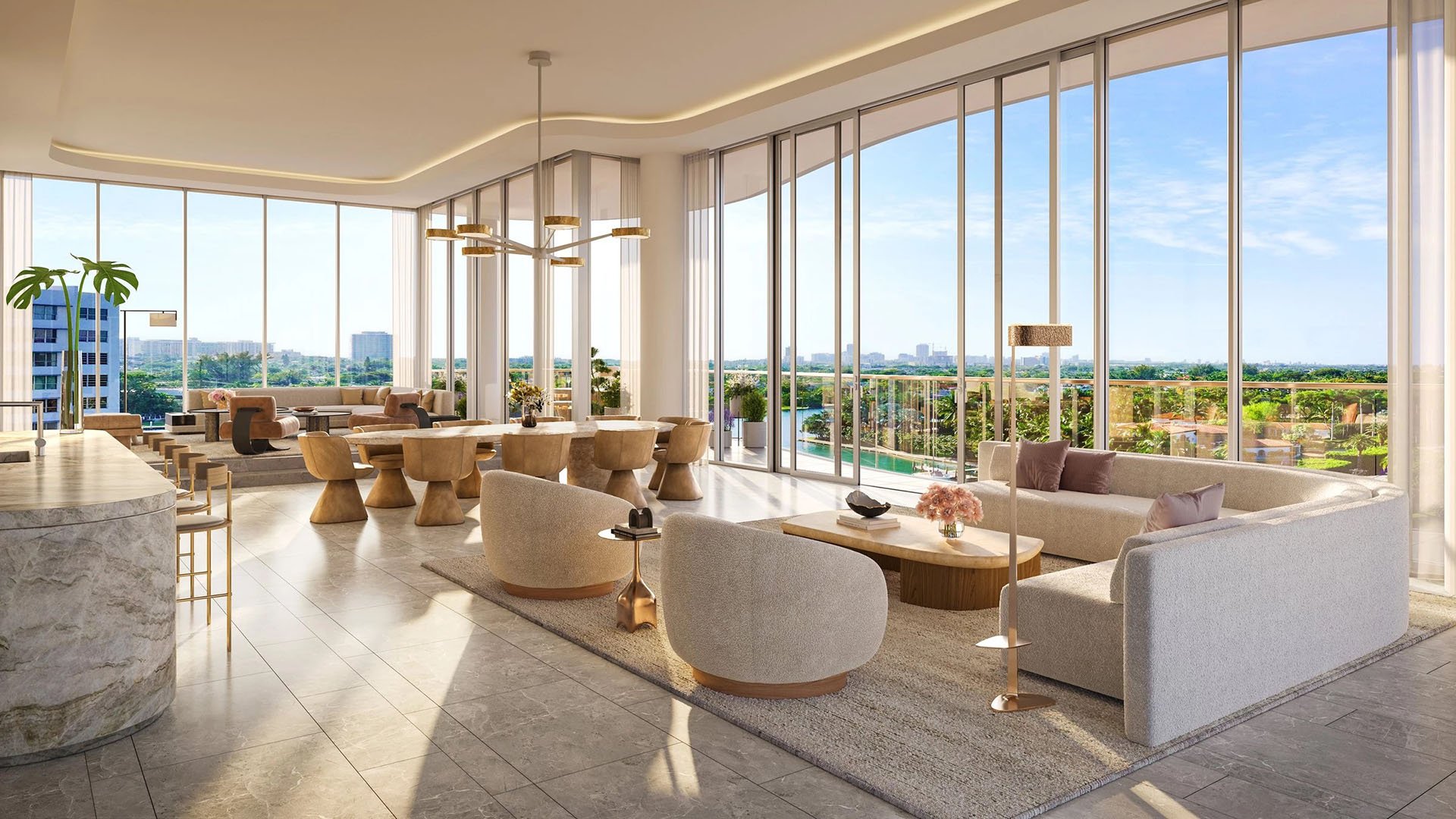
The appeal sounds simple: wake to first light over the water, keep the horizon open, and avoid the feeling that peak season never really ended. In practice, the best waterfront towers for this brief tend to share a clear set of traits. East-facing orientation is the starting point, especially along Biscayne Bay, Brickell’s waterfront edge, and select oceanfront corridors where sunrise arrives cleanly and early. West-facing residences can deliver glittering evening light, but they miss the morning spectacle and often bring more afternoon heat.
Privacy, meanwhile, is rarely about a single amenity. More often, it is architectural. Wider tower-to-tower separation matters. Larger setbacks from the bay or ocean matter. So do corner residences, penthouses, and floor plans with fewer neighboring entry doors. These details reduce direct sightlines, hallway traffic, and the sense that balconies are on display to the building next door.
Seasonality also changes the experience. South Florida luxury occupancy tends to crest in winter and early spring, then ease after May. In the right building, that shift can be felt immediately: elevators move faster, pool decks feel more deliberate, and common areas regain some of their original exclusivity. For buyers who use their residences through summer and early fall, that quieter stretch can be one of the strongest arguments for owning on the water.
Brickell and the Miami River corridor remain compelling for buyers who want an urban sunrise over Biscayne Bay, along with strong service infrastructure and immediate access to downtown culture. Here, east-facing lines are especially important, and older waterfront placements can sometimes preserve longer, more protected sightlines than tightly packed newer clusters. In this context, projects such as Una Residences Brickell and St. Regis® Residences Brickell naturally belong in the conversation around refined waterfront living, even if the real screening should happen residence by residence.
Edgewater offers another strong sunrise equation. The bay is central, the light is immediate, and many buyers are willing to trade some of Brickell’s financial-district intensity for a more residential rhythm. Buildings here benefit when privacy controls, glazing, and shading are thoughtfully integrated, particularly for owners who want openness without feeling exposed. That is one reason Aria Reserve Miami feels relevant to this discussion.
For those who value a steadier year-round atmosphere, Coconut Grove and certain Coral Gables waterfront settings deserve attention. Smaller residential buildings and areas with stronger owner occupancy often feel more settled after peak season than larger, investor-heavier towers downtown. In the Grove, Vita at Grove Isle and Park Grove Coconut Grove align naturally with buyers seeking water, privacy, and a more composed rhythm.
1. East-facing bayfront towers in Brickell with generous setbacks
For pure sunrise performance, this remains one of the strongest formats in Miami. The key is not simply being on the water, but having enough separation from neighboring towers to keep the bay view open rather than pinched between glass walls. Buildings with larger setbacks often preserve longer sightlines as nearby development intensifies.
After peak season, these towers can feel distinctly calmer. In larger luxury buildings, softened occupancy often improves elevator access and restores a more private atmosphere for owners who remain in residence.
2. Corner and penthouse residences in major waterfront towers
If privacy is the priority, the unit type matters as much as the building. Corner residences and penthouses typically reduce hallway traffic, limit the number of immediate neighbors, and create fewer direct sightline conflicts at entry points.
For buyers who want sunrise without the social friction of a busier floor plate, this is often the most reliable upgrade. It is less about status than spatial control.
3. Smaller waterfront buildings in Coconut Grove
Not every buyer wants a skyline statement. Smaller waterfront residential buildings in the Grove often carry a more stable year-round occupancy pattern, which can make the property feel less transient once winter demand recedes.
This is especially appealing for owners who define privacy as familiarity, quiet staffing rhythms, and fewer seasonal swings in common spaces.
4. Waterfront buildings with docks or boat slips
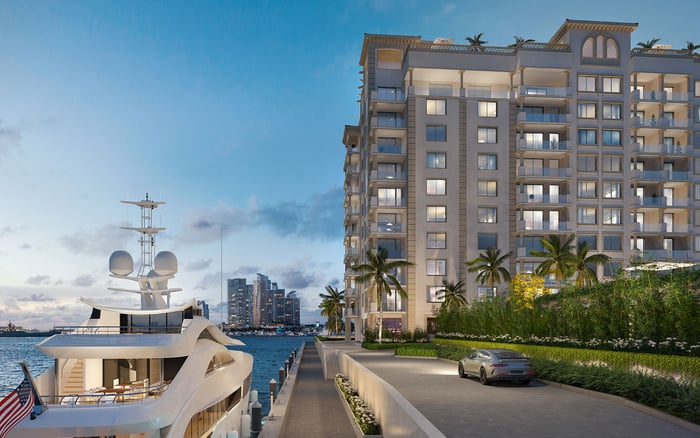
Residences with direct marine access often attract owners who stay longer and use the home more consistently. That can translate into a steadier resident base and a lived-in atmosphere that feels less like a revolving seasonal address.
For sunrise buyers, the added advantage is experiential: water activity begins early, and the building’s orientation toward the bay or channel often heightens that dawn connection.
5. Pre-2015 waterfront towers with protected exposure
Older does not automatically mean better, but earlier waterfront towers can hold an edge when they were built with more breathing room. In a market where spacing has tightened, pre-2015 placements may offer better-protected sunrise corridors and less direct visual overlap with neighboring high-rises.
That can be invaluable for buyers who care less about novelty and more about keeping the horizon intact five or ten years from now.
6. North-leaning waterfront exposures for buyers who prioritize discretion
A perfectly east-facing line tends to deliver the most theatrical sunrise, but it is not always the most private. North-leaning waterfront exposures can trade some direct morning drama for reduced line-of-sight overlap, especially in denser high-rise environments.
For some buyers, that is the smarter luxury: a slightly softer sunrise and considerably less visual reciprocity.
7. Owner-occupied waterfront enclaves near Coral Gables
Areas that skew toward owner occupancy often feel quieter and more settled after peak season than investor-driven towers. The difference is subtle but real. There is usually less turnover, fewer short-term social spikes, and a stronger sense of continuity in shared spaces.
For households prioritizing discretion over scene, this can matter as much as the view itself.
The best sunrise tower can still disappoint if the unit selection is wrong. Buyers should start with orientation, then refine for privacy. East-facing homes with limited west or south exposure tend to stay more comfortable in warmer months, which matters for owners in residence beyond the winter social season. Strong glazing and shading strategies also improve daily livability by softening glare without sacrificing view depth.
This is where details become decisive. In broad terms, view-maximizing glass is an advantage only if interior comfort and privacy controls are considered just as carefully. It is part of why certain contemporary towers in the bayfront conversation, including buildings associated with advanced glazing or smart shading systems, continue to attract design-conscious buyers.
Many purchasers tour South Florida at its busiest and assume that winter intensity defines the building year-round. It rarely does. After May, many luxury towers experience a noticeable easing in common-area pressure. Valet timing improves. Elevators regain speed. Amenity decks feel less theatrical and more residential.
That does not mean every building becomes serene. Some towers can feel underprogrammed once the social calendar thins, particularly if community life depends too heavily on seasonal owners. The more appealing properties tend to balance polished amenities with a resident-led culture that still feels inhabited when the broader market quiets down.
For private buyers, this is the real opportunity. A building that feels merely attractive in February may feel exceptional in July.
For a sunrise-facing waterfront residence that still feels private after peak season, the screening criteria are surprisingly consistent: east-facing water exposure, wider building separation, corner or penthouse placement, lower investor concentration, and a resident base that extends beyond the winter cycle. Add docks, slips, or a more boutique scale, and the odds improve further.
The lesson is not to chase the loudest new address. It is to identify where light, setback, occupancy rhythm, and unit layout work together. In South Florida, that combination is what turns a beautiful view into a genuinely livable luxury residence.
Are east-facing units always best for sunrise views? Usually yes, especially on Biscayne Bay or the ocean, because they capture first light directly and keep the morning horizon intact.
Do larger towers feel less private? Not always. They often feel busier in peak season, but many become noticeably calmer after May when occupancy softens.
What unit type offers the most privacy? Corner residences and penthouses are typically the strongest choices because they reduce hallway traffic and neighboring door activity.
Can a north-leaning exposure still deliver a good sunrise? Yes. It may be slightly less dramatic than a direct east line, but it can offer stronger privacy in denser waterfront settings.
Why do setbacks matter so much? Greater separation from the water and nearby towers helps preserve longer sightlines and reduce direct window-to-window overlap.
Are older waterfront towers worth considering? Absolutely. Earlier towers can offer better spacing and more protected sunrise corridors than some newer, tighter sites.
Do docks or boat slips change the feel of a building? They can. Waterfront buildings with marine access often attract owners who stay longer, creating a steadier resident base.
Is Coconut-grove a good fit for privacy-minded buyers? Yes. Coconut-grove often appeals to buyers who want a smaller-scale waterfront environment with a more stable year-round rhythm.
What should I look for in Brickell specifically? In Brickell, prioritize east-facing lines, wider tower separation, and residences with limited west exposure for comfort and privacy.
When is the best time to judge a tower’s real atmosphere? Tour it during peak season and again in summer if possible, since the quieter months reveal how the building actually lives.
For a discreet conversation and a curated building-by-building shortlist, connect with MILLION Luxury.
If branded residences are on your mind — as a home or as an allocation — we would be glad to share what we are seeing, privately.
Begin a quiet conversation