A discreet buyer’s guide to South Florida luxury residences where privacy, resident-first circulation, and calmer neighborhood patterns matter more than lobby spectacle.
For a certain South Florida buyer, the question is not whether a building has service. It is whether that service can be delivered without the sensation of moving through a hotel lobby. The distinction is subtle, but decisive. A residence can be grand, beautifully staffed, and deeply amenitized while still preserving the privacy of everyday life. It can also read as glamorous on paper and feel too public at the door.
Hotel traffic is not only luggage carts and valet queues. It is a rhythm: unfamiliar faces, frequent arrivals, event energy, short stays, shared amenities, and a lobby that must perform for guests as much as residents. Buyers who value discretion should focus on buildings and neighborhoods where the residential experience is not competing with hospitality turnover.
The best South Florida residences for this profile tend to share a clear set of traits: controlled arrivals, meaningful separation between residents and visitors, a residential-only sensibility, careful rental policies, and locations that do not invite constant pedestrian churn. Oceanfront, bayfront, island, garden, and select urban addresses can all work, provided the building’s circulation supports the way the owner actually lives.
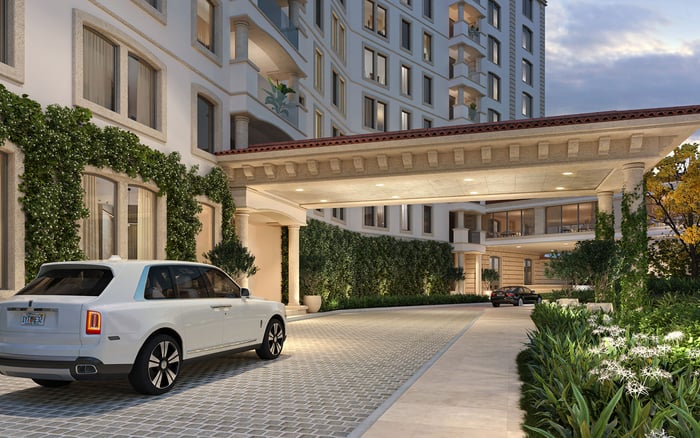
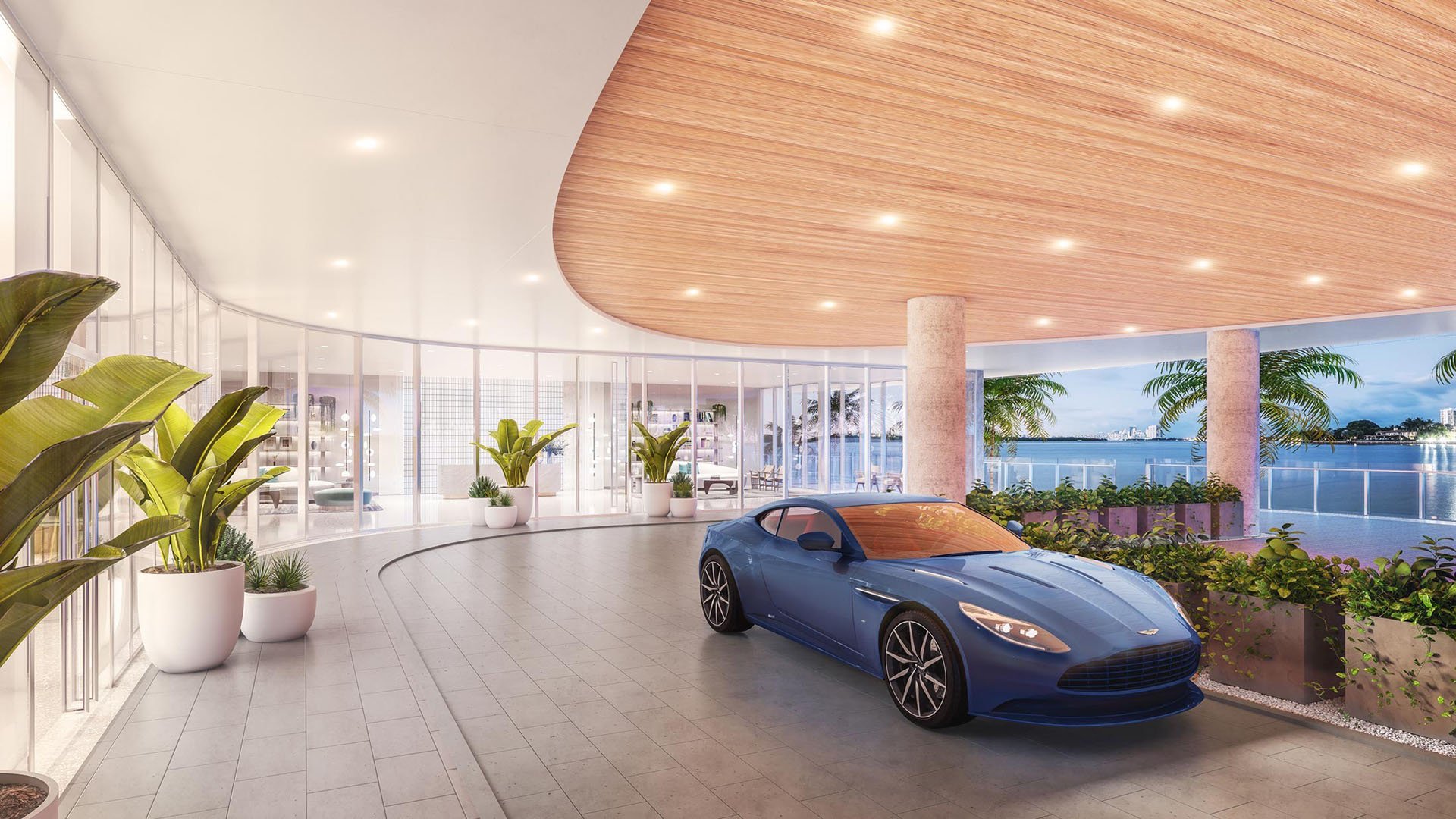
Start with the arrival sequence. A calm porte cochere, a staffed but untheatrical lobby, secure elevator access, and discreet package and service logistics can change how a property feels every day. The most refined buildings do not ask residents to negotiate social traffic before reaching their homes.
Next, study amenity access. A building may advertise spa, dining, pool, fitness, or wellness programming, but the essential question is who uses those spaces and how often. Resident-only spaces feel different from shared hospitality venues. Even when services are elevated, the operating model should support permanence rather than transience.
Rental rules also matter. Buyers who dislike hotel traffic usually want clarity on minimum lease terms, guest registration, access control, and whether the building culture skews toward owners, seasonal residents, or frequent turnover. These are not secondary details. They shape the lobby, the elevators, the pool deck, and the entire sense of home.
Finally, consider the neighborhood. A quieter street, island setting, residential enclave, or established garden district may do as much for privacy as the building itself. In South Florida, luxury is often less about being at the center of everything and more about being able to leave that center behind.
Miami Beach can be ideal for buyers who want sand, architecture, and cultural proximity without a revolving-door atmosphere. The key is to look beyond the postcard and focus on how a building manages entry, residents, service, and beach access. Oceanfront privacy is strongest when the property feels residential first, with amenities calibrated for owners rather than passersby.
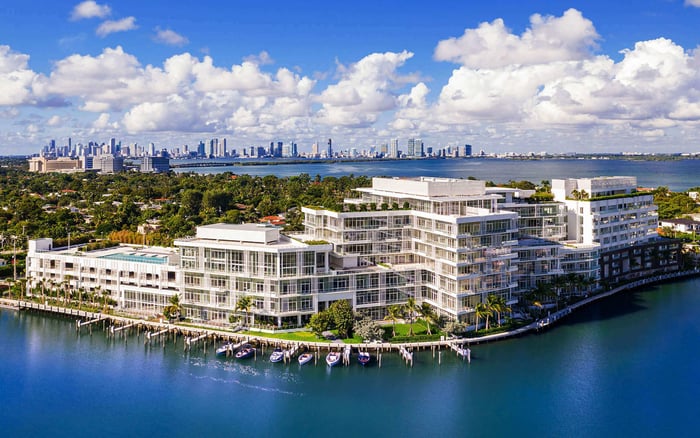
For buyers weighing that balance, The Ritz-Carlton Residences® Miami Beach represents the kind of address many privacy-focused owners will want to evaluate carefully: a branded residential setting in Miami Beach where attention should be on resident access, circulation, and the day-to-day feel of the common areas.
Surfside offers a more village-scaled alternative for those who want ocean proximity with a quieter sensibility. It often appeals to buyers who prefer a softer daily cadence, especially compared with the more heavily programmed parts of Miami Beach. In that context, The Delmore Surfside is a natural reference point for buyers drawn to a Surfside address and a more composed residential mood.
Bay Harbor Islands appeals to buyers who value separation. The geography itself can create a more residential rhythm, with water, bridges, and neighborhood scale helping to filter the pace of arrival. For owners who dislike hotel traffic, that sense of remove is not a compromise. It is the point.
A project such as The Well Bay Harbor Islands fits naturally into the conversation for buyers who want wellness-oriented living without the atmosphere of a public resort. The question is not simply what amenities exist, but how they are reserved, accessed, and experienced by residents.
Coconut Grove offers a different version of privacy: canopy, neighborhood texture, and a slower residential pattern. Buyers who want to be near Miami’s core without feeling exposed to downtown intensity often gravitate toward the Grove. Four Seasons Residences Coconut Grove gives privacy-minded buyers a relevant comparison point in a neighborhood where lifestyle is more gardened, local, and residential than theatrical.
Brickell is not the obvious answer for buyers who dislike traffic of any kind. Yet some buyers want a financial-district address, walkability, water views, and access to restaurants without surrendering the residential threshold. For them, the building’s internal choreography becomes critical.
In Brickell, privacy is less about isolation and more about design discipline. A buyer should scrutinize the separation between residents, visitors, staff, deliveries, rideshare, and amenity users. The best urban residences make the city available without making the lobby feel like an extension of it.
That is why The Residences at 1428 Brickell belongs in the discussion for buyers who want a central Miami address but will not accept a chaotic arrival. In dense neighborhoods, the right residence must create a private world within the urban grid.
Boutique buildings are often a strong match because fewer residences can mean fewer daily interactions. That does not automatically guarantee quiet, but it can support a more intimate ownership culture when paired with strong access control and sensible rental rules.
Island and enclave addresses are another compelling profile. The extra step of arrival, whether by bridge, gate, or quieter street network, can discourage casual pass-through energy. For many luxury buyers, this small layer of friction is precisely what makes the address feel protected.
Residential-only towers can also be powerful choices, especially when they avoid shared hotel amenities and transient operations. The buyer should confirm whether the building’s identity is truly residential in practice, not just in marketing language.
Garden-neighborhood condominiums suit buyers who value calm over spectacle. They may trade some immediate nightlife access for a more composed daily experience, which can be especially attractive to second-home owners who come to South Florida to decompress.
Urban luxury can still work, but only when resident circulation is uncompromised. In places like Brickell, the best fit is a building that treats privacy as infrastructure, not as a soft promise.
Before committing, visit at different times of day. A lobby at 11 a.m. can feel entirely different from the same lobby at sunset, during a holiday week, or on a weekend. Watch the valet, elevators, pool deck, and arrival court. Privacy is experienced in motion.
Ask direct questions about rental duration, guest access, amenity reservations, package handling, service elevators, food delivery, and event policies. The answers will reveal whether the residence is designed for owners or for a broader audience.
Also pay attention to building culture. Some luxury properties feel social and club-like. Others are more reserved. Neither is inherently better, but buyers who dislike hotel traffic should be honest about their tolerance for visibility, noise, and strangers in shared spaces.
In South Florida, the most successful purchase is often not the loudest address. It is the one that lets the owner arrive, exhale, and disappear into the private rhythm of home.
What does hotel traffic mean in a luxury residence? It generally refers to frequent guest turnover, public-facing amenities, busy valet areas, and a lobby rhythm that feels more transient than residential.
Are branded residences always busy like hotels? No. The key distinction is whether the property operates as a private residential building or shares circulation and amenities with hospitality users.
Can Miami Beach work for buyers who want privacy? Yes, especially when the building has controlled access, resident-focused amenities, and a location that avoids the busiest pedestrian patterns.
Is Surfside quieter than central Miami Beach? Surfside often appeals to buyers seeking a more residential oceanfront mood, though each building should be evaluated individually.
Why do Bay Harbor Islands attract privacy-focused buyers? The island setting, neighborhood scale, and more residential cadence can help reduce the feeling of constant public movement.
Can Brickell ever feel private? Yes, but only when the building carefully separates resident access, visitors, deliveries, service, and amenity use.
What should I ask about rental policies? Ask about minimum lease terms, guest registration, move-in rules, access credentials, and how short-term visitor activity is controlled.
Are smaller buildings always better for privacy? Not always, but boutique scale can support a quieter atmosphere when management, security, and owner culture are aligned.
Should I visit a building before buying? Yes. Visit at different times and observe the lobby, valet, elevators, amenity areas, and service flow before deciding.
What is the best way to shortlist comparable options for touring? Start with location fit, delivery status, and daily lifestyle priorities, then compare stacks and elevations to validate views and privacy.
For a confidential assessment and a building-by-building shortlist, connect with MILLION.
If branded residences are on your mind — as a home or as an allocation — we would be glad to share what we are seeing, privately.
Begin a quiet conversation