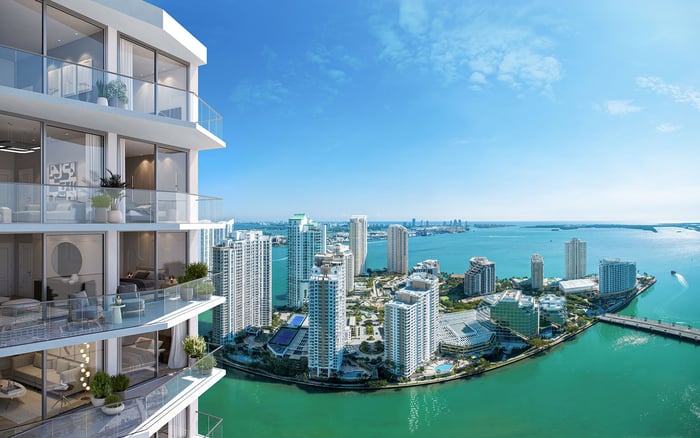
A lock-and-leave condominium should function as beautifully in an owner’s absence as it does upon arrival. This guide frames club privileges, hospitality services, carrying costs, leasing rules, and operational diligence for the seasonal South Florida buyer.

For the seasonal buyer, the defining luxury is not simply an ocean view. It is the confidence that a residence can sit quietly between visits, then feel prepared upon arrival. Begin with a candid assessment of travel patterns: how often you visit, how long you stay, whether family arrives independently, and whether the condominium may be leased.
Location remains important, but operational fit is decisive. Before touring, outline a typical seasonal itinerary that includes arrival, luggage handling, groceries, beach time, dining, guests, work, housekeeping, and departure. Use that routine to identify which building services matter and which would go largely unused.
Private-club language can refer to different arrangements, including residential amenity spaces, beach services, wellness facilities, social areas, or access governed through a separate membership. Do not assume that waterfront or oceanfront positioning automatically includes a particular level of service.
Determine whether each privilege belongs to the unit, the named owner, or an approved member. Ask whether an application is required, whether dues apply, whether guests are permitted, and whether access transfers upon resale. Confirm the answers in governing documents or a written club agreement rather than relying on general marketing language.
Branded and hospitality-led residences can belong in a seasonal buyer’s comparison set, but branding alone does not establish the exact services, costs, or membership rights available to an owner. Review each property on its current written terms.
Miami-area options to compare include Four Seasons Residences Coconut Grove, Una Residences Brickell, and Shore Club Private Collections Miami Beach. For each residence, request written clarification of club access, hospitality services, guest privileges, leasing restrictions, and owner responsibilities.
The useful comparison is not which property has the longest amenity list. It is which operating model best supports the buyer’s actual pattern of arrival, occupancy, departure, and absence.
Service is valuable only when its cost is understood. Build an annual ownership schedule rather than focusing solely on a monthly association figure. Separate fixed obligations from services billed by use, then compare the total with the number of nights you realistically expect to occupy the home.
Include association charges, club obligations, assessments, insurance, housekeeping, property management, and other applicable ownership expenses only after verifying them for the specific residence. This exercise helps distinguish conveniences that support the seasonal routine from amenities that may remain unused.
Leasing deserves equal scrutiny. Review minimum terms, rental frequency, approval procedures, and any restrictions affecting a tenant’s use of amenities or club privileges. These provisions can influence whether a residence fits a second-home plan.
Request the current declaration, bylaws, budget, reserve information, rental rules, and any separate club agreement before closing. Then conduct an operational interview with management. Ask who may enter the residence during an absence, how authorization is documented, and what procedures apply when an alert occurs outside normal hours.
The practical checklist should address storm preparation, leak detection, HVAC monitoring, package handling, vehicle care, housekeeping, and pre-arrival provisioning. Confirm which tasks are included, which require a separate arrangement, and which are not offered. Ask how management communicates with owners during severe weather and whether inspections or interventions are documented.
Security and privacy should be considered alongside convenience. If relatives, household staff, designers, or vendors need access, understand the credentialing process and whether permissions can be limited by person and date.
The strongest choice is the residence whose services support the complete ownership cycle, not merely the first arrival. Compare a full season on paper: opening the home, living in it, hosting guests, departing, monitoring the vacant unit, and returning.
When club privileges, management responsibilities, costs, and leasing rules are clear at every stage, lock-and-leave ownership becomes a deliberate operating choice rather than an assumption.
What makes a condo genuinely lock-and-leave? Look for documented monitoring, access control, maintenance coordination, and pre-arrival procedures that match the owner’s absence routine.
Does oceanfront ownership automatically include a private beach club? No. Access, services, guest policies, and any separate membership terms should be confirmed in writing.
Should club privileges attach to the unit? The important point is to verify whether rights attach to the unit, an individual owner, or a separate membership and whether they transfer upon resale.
Can club access require a separate application? It may. Buyers should review eligibility, approval, dues, guest access, and transfer terms before purchasing.
How should seasonal buyers evaluate association and club costs? Compare verified annual fixed and usage-based expenses with realistic occupancy and expected amenity use.
Which leasing rules matter most to seasonal owners? Review minimum lease terms, rental frequency, approval procedures, and whether tenants receive access to amenities or club privileges.
What documents should a buyer request? Request the current declaration, bylaws, budget, reserve information, rental rules, and any separate club agreement.
What should management address during an owner’s absence? Ask about storm procedures, leaks, HVAC conditions, packages, vehicles, authorized entry, and communication protocols.
Are branded residences automatically easier to manage? No. Buyers should evaluate the specific written services, responsibilities, costs, and access rules at each residence.
How can buyers compare buildings with different amenity packages? Apply the same full-season routine to each option and identify which services directly support arrival, occupancy, departure, and absence.
For a discreet conversation and a curated building-by-building shortlist, connect with MILLION.
If branded residences are on your mind — as a home or as an allocation — we would be glad to share what we are seeing, privately.
Begin a quiet conversation