A buyer-focused framework for comparing Colette Residences Brickell and ORA by Casa Tua Brickell through wellness planning, daily usability, privacy, access rules and operating documents.
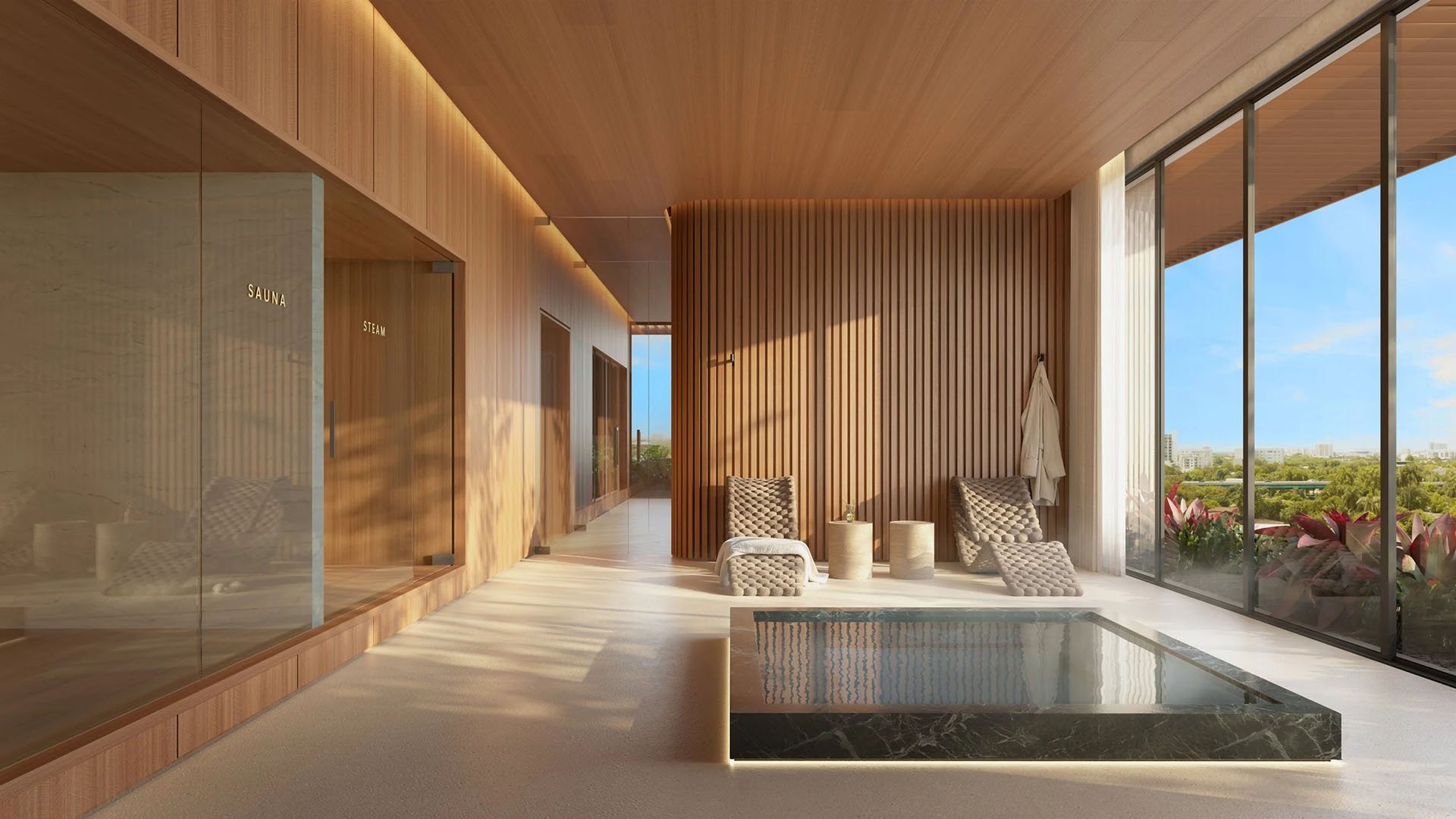
Wellness-led amenity design is most meaningful when it supports a resident’s routine. Instead of focusing only on the number of spaces presented in marketing materials, buyers can examine how movement, recovery, outdoor time, privacy and resident services work together.
That framework is useful when considering Colette Residences Brickell and ORA by Casa Tua Brickell. Each project should be assessed through its own current plans, purchase documents, governing documents and operating disclosures. Branding or renderings should not substitute for document-led review.
Start with circulation. A wellness program may be less convenient if reaching it requires indirect elevator routes, movement through event areas or transitions that reduce privacy. Buyers can ask how fitness, outdoor and recovery areas relate to residences, service zones and other shared spaces.
Capacity also matters. Pools, fitness rooms, terraces and bookable treatment areas may function differently depending on resident demand, guest privileges and reservation rules. Review whether access is first-come, reservable or subject to separate charges, and ask whether private events could limit ordinary resident use.
Environmental comfort deserves equal attention. Shade, noise separation, ventilation, lighting and transitions between indoor and outdoor areas can influence whether a space feels practical throughout the day. Families may also wish to understand how active areas relate to quieter rooms.
A broader comparison can include 2200 Brickell, Una Residences Brickell and The Residences at 1428 Brickell. The purpose is not to rank projects by amenity quantity, but to identify which proposed environment best fits the buyer’s habits and expectations.
A frequent swimmer may prioritize convenient pool access and clear operating hours. A buyer focused on exercise may care more about equipment, ventilation and access to outdoor space. Others may give greater weight to quiet recovery areas, secure storage or the ability to use shared spaces without advance planning.
Comparison should remain project-specific. Buyers can request the latest available materials for each residence under consideration and note which features are building-wide, limited to particular homes, shared with other users or available for an additional charge.
Plans help buyers understand location, scale and adjacency, while governing and operating materials can clarify how shared facilities may be managed. Review proposed hours, guest access, reservation procedures, staffing, maintenance responsibilities and any disclosed user fees.
Operating demands are especially relevant for spaces that require regular cleaning, servicing or equipment replacement. Buyers should examine available budgets and reserve information rather than assuming that an extensive amenity program will operate without meaningful ongoing costs.
The residence-specific review is just as important. Confirm in writing which features belong to the home being purchased, which are common elements and which remain subject to change. Questions about parking, storage, outdoor areas or private wellness features should be resolved through the applicable transaction documents.
Before comparing finishes or presentation materials, buyers can list the amenities they expect to use weekly. They can then test each project against a consistent set of questions: Is access straightforward? Is the space likely to support the intended activity? Are privacy and noise addressed? Do the documents explain management and costs?
This approach keeps the analysis tied to everyday value. Wellness-led design is strongest when planning, access and operations support reliable use rather than occasional visual impact.
How should buyers compare Colette Residences Brickell and ORA by Casa Tua Brickell? Apply the same document-led framework to each project, including plans, governing materials, access rules and operating disclosures.
Why is amenity count an incomplete comparison? A long list does not explain convenience, capacity, privacy, maintenance or how often a resident may use each space.
Which documents are most relevant to amenity review? Buyers should examine the current plans, purchase documents, governing documents and available operating materials for the project under consideration.
Why do circulation routes matter? Elevator access and connections among shared areas can affect convenience, privacy and the separation of quiet and active spaces.
What access rules should a buyer verify? Confirm operating hours, guest privileges, reservation procedures, event restrictions and whether any use requires an additional fee.
How can buyers assess whether a wellness space fits their routine? Identify the activities expected each week, then evaluate whether location, access and operating rules make those activities practical.
Why should outdoor wellness areas receive separate scrutiny? Shade, noise, weather exposure, lighting and transitions from indoor areas can affect day-to-day usability.
What should buyers ask about maintenance? Review available information about staffing, cleaning, servicing, repairs, equipment replacement and related budget assumptions.
Should buyers assume every marketed feature belongs to every residence? No. Confirm in the transaction documents whether a feature is residence-specific, shared, limited to certain homes or subject to change.
What is the most useful final comparison step? Create a consistent checklist and measure every project against personal priorities, documented access and expected operating demands.
If you'd like a private walkthrough and a curated shortlist, connect with MILLION.
If branded residences are on your mind — as a home or as an allocation — we would be glad to share what we are seeing, privately.
Begin a quiet conversation