A discreet buyer’s guide for Zurich-based purchasers seeking South Florida residences with substantive amenities, privacy, and daily ease without the atmosphere of a resort.
For a Zurich buyer considering South Florida, the amenity question is rarely about abundance alone. It is whether a building can support a high-functioning life without turning every arrival into a hotel-lobby moment. The strongest purchase is not necessarily the residence with the longest amenities brochure. It is the one where wellness, privacy, guest management, beach or bay access, work routines, and family logistics are handled with quiet competence.
That distinction matters in Miami Beach searches because the market offers a wide spectrum of lifestyles. Some buildings lean toward energy, visible service, and social programming. Others feel more residential, with amenities that operate as an extension of the private home. For owners arriving from Switzerland, where discretion, precision, and order are often deeply valued, the second category can be especially compelling.
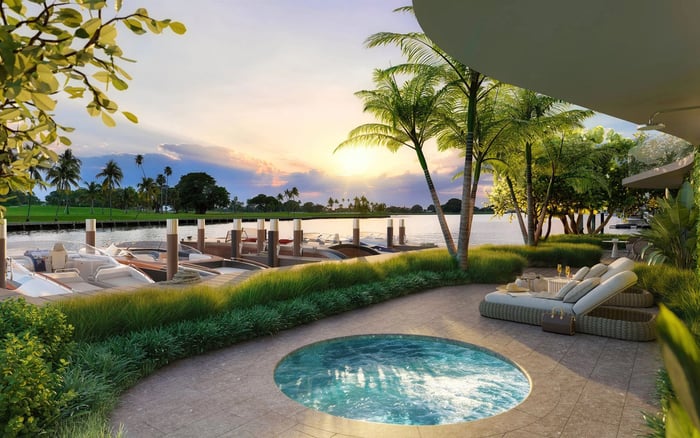
Amenity depth should mean useful layers, not theatrical excess. A pool is expected; the better question is whether there are distinct zones for swimming, lounging, family use, and calm conversation. A fitness room is expected; the better question is whether wellness can be integrated into a normal weekday without crossing a crowded lobby or competing with short-stay traffic.
Begin with a written hierarchy of use. Separate amenities into daily, weekly, seasonal, and guest-facing categories. Daily amenities might include fitness, parking flow, package handling, dog routines, and work-from-home support. Weekly amenities might include spa access, private dining, beach service, or a club room. Seasonal amenities may include guest suites, children’s areas, outdoor entertaining spaces, and concierge coordination during peak occupancy.
This exercise prevents a common mistake: buying the building that photographs best rather than the one that functions best. A dramatic amenity deck can be beautiful, but if it is difficult to reserve, exposed to constant foot traffic, or designed for spectacle rather than comfort, it may feel less luxurious over time.
The deeper buildings tend to offer choice. Not one pool, but a calm place to swim and a more social place to sit. Not one fitness room, but spaces that support stretching, recovery, and privacy. Not one lobby attendant, but a clear separation between residents, visitors, deliveries, and service providers.
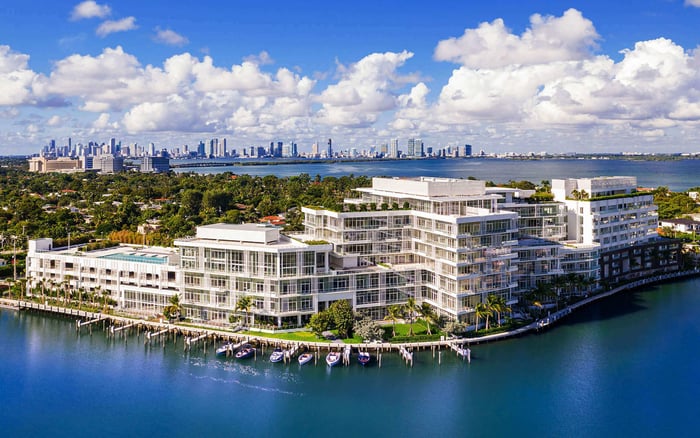
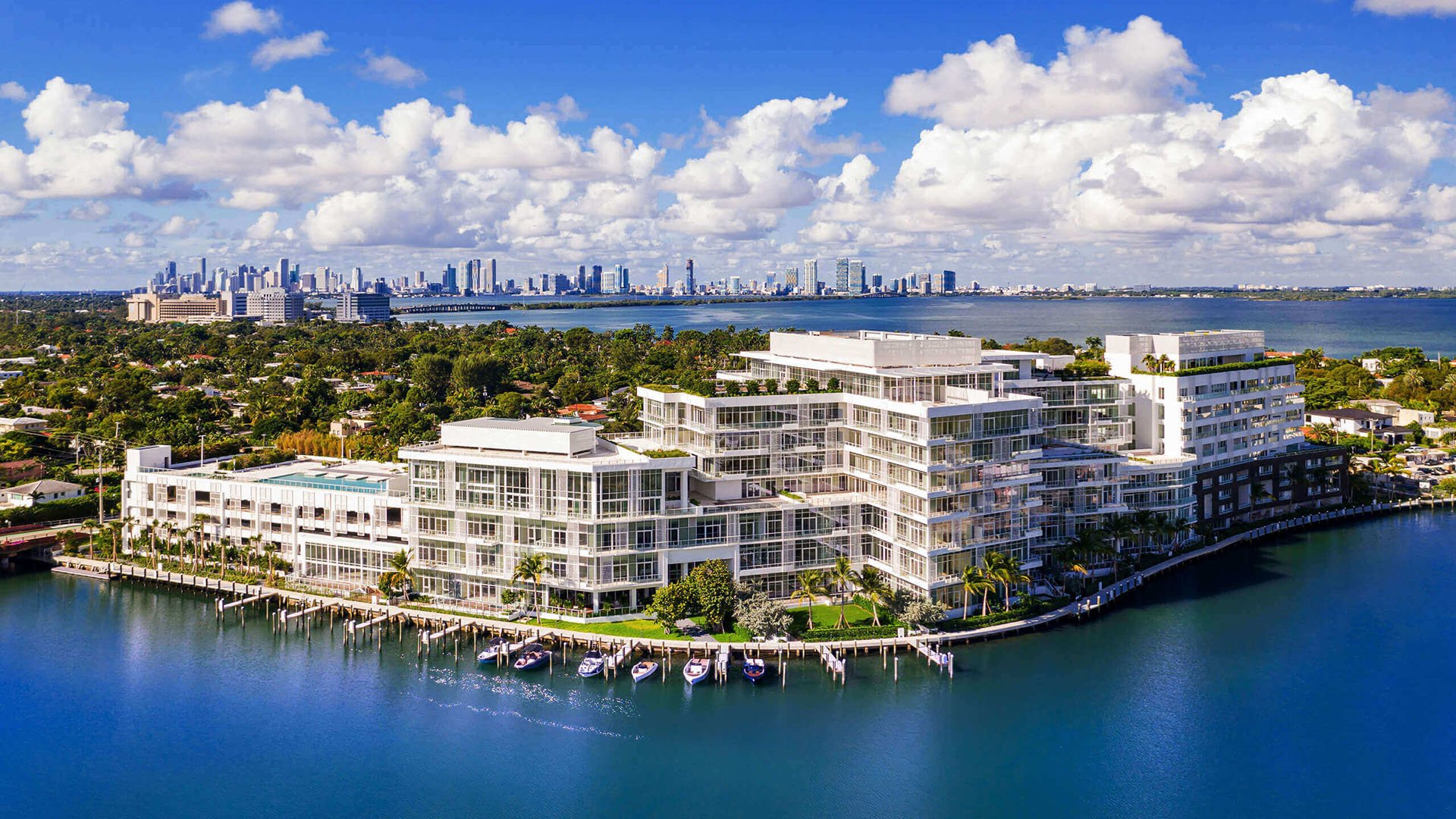
Miami Beach can deliver the emotional reason many international buyers come to South Florida: light, ocean air, walkable rituals, and a sense of arrival. The challenge is selecting a building where the beach lifestyle remains private and residential. That means studying scale, approach, lobby culture, elevator flow, amenity placement, and the way outdoor spaces are shared.
In this context, 57 Ocean Miami Beach can serve as a useful reference point for buyers who want the address and atmosphere of Miami Beach while still asking precise questions about privacy, wellness, and daily cadence. The issue is not whether a building is glamorous. It is whether the glamour is optional.
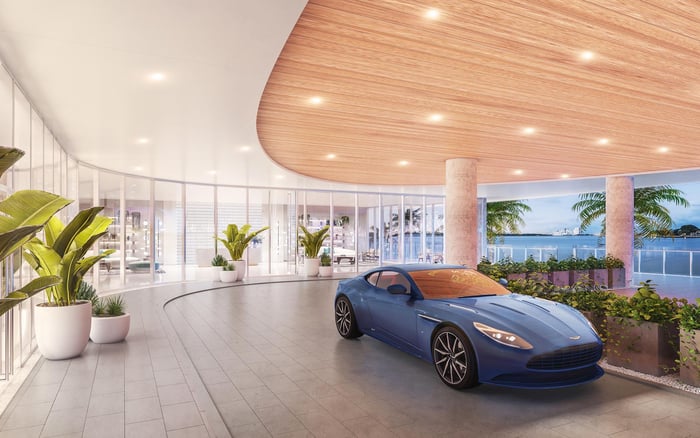
A Zurich buyer should spend time observing the arrival sequence. Is the entrance composed or performative? Are beach-related amenities placed to avoid congestion? Does the building feel as calm on a weekend afternoon as it does during a quiet weekday showing? These observations often reveal more than a rendering or an amenity menu.
For those who want a branded residential experience without the sensation of living inside a transient resort, The Ritz-Carlton Residences® Miami Beach is the kind of name that invites careful evaluation of service style, privacy protocols, and whether the residential identity is clearly distinct from hospitality theater.
Brickell answers the amenity question through convenience and vertical efficiency. For owners who expect a pied-a-terre with access to dining, finance, culture, and frequent airport movement, the strongest Brickell residences make the weekday seamless. The risk is over-activation. A building may have everything, yet still feel too public if amenity areas are designed as social stages rather than private extensions of the home.
Bay Harbor Islands offers a different proposition: calmer scale, water-oriented living, and a more residential rhythm. A project such as The Well Bay Harbor Islands fits naturally into conversations about wellness-forward living where the amenity program should support restoration rather than spectacle. Here, buyers should focus on how wellness spaces are accessed, how quiet is protected, and whether the building’s public areas feel intimate enough for full-time ownership.
Coconut Grove appeals to buyers who want greenery, neighborhood texture, and a softer daily atmosphere. It can feel especially intuitive for families or owners who value outdoor routines without needing an oceanfront setting. Four Seasons Residences Coconut Grove is an appropriate comparison point when considering how service, privacy, and a mature neighborhood setting can coexist. In the Grove, amenity depth should complement the neighborhood, not replace it.
A serious buyer should audit amenities the way a collector studies provenance: carefully, patiently, and with attention to what is not immediately visible. Ask how many households share each amenity. Ask whether spaces are residents-only or available for guests under certain rules. Ask whether staff are dedicated to the residence, shared with broader operations, or structured through a management program. Ask how reservations work, what can be used spontaneously, and what requires planning.
Sound is another overlooked luxury. The best amenities are not merely attractive; they are acoustically comfortable. A wellness room beside a busy circulation path, a pool deck exposed to constant music, or a lounge with hard surfaces and no sense of enclosure can undermine the private-home feeling. Elevators matter as well. If owners, guests, staff, and deliveries are not thoughtfully separated, the building may feel busier than its unit count suggests.
Storage and service areas deserve equal attention. Beach chairs, bicycles, luggage, pet routines, wine, art handling, and household staff all need to move through the building gracefully. A residence can have exquisite interiors, yet become frustrating if daily logistics are forced through public spaces.
The resort feeling usually comes from three sources: too much programming, too little separation, and too many people using the same spaces in the same way. To avoid it, choose buildings where amenities are designed for residents first, not for marketing spectacle. Look for smaller rooms with purpose, shaded outdoor areas, private dining that can actually be used, and wellness spaces that feel calm at peak hours.
Governance is part of luxury. Review rules around rentals, guests, events, pets, deliveries, staff access, and amenity reservations. A building can be beautifully designed, but if its rules allow a highly transient pattern of use, it may not deliver the privacy a Zurich buyer expects. Conversely, a building with fewer headline amenities can feel far more luxurious if the resident culture is stable and the operations are disciplined.
The right South Florida home should create ease without demanding participation. You should be able to swim, train, host, work, arrive from Europe, receive guests, and leave again without friction. You should not feel that the building is performing luxury at you.
Before touring, classify each candidate by lifestyle type: oceanfront retreat, urban base, wellness residence, family neighborhood, or discreet second home. Then compare amenity depth within that category, not across the entire market. An oceanfront Miami Beach residence should not be judged by the same criteria as a Brickell tower or a Coconut Grove address.
During tours, visit at different times of day when possible. Morning reveals fitness and parking patterns. Afternoon reveals pool use and family activity. Evening reveals lighting, security posture, and social energy. Ask yourself whether the building feels better the longer you stay. True residential luxury often becomes more convincing over time because its strengths are operational rather than theatrical.
Finally, consider how the residence will age with your ownership. The best amenity programs are adaptable. They support a couple today, visiting family tomorrow, and longer stays in the future. They do not depend on novelty. They depend on proportion, service, privacy, and maintenance discipline.
What does amenity depth mean in a South Florida residence? It means a layered set of useful, well-managed amenities that support daily living rather than simply adding visual drama.
How can a Zurich buyer avoid a resort feeling in Miami Beach? Focus on privacy, resident-only spaces, elevator flow, guest rules, and how calm the property feels during peak usage.
Is a branded residence automatically more resort-like? Not necessarily. The key is whether the service model is residential in tone and clearly separated from transient hospitality patterns.
Should I prioritize oceanfront amenities or neighborhood amenities? Choose based on how you will actually live. Some buyers need beach access, while others value walkability, greenery, or urban convenience.
Why is Brickell different from Miami Beach for amenity planning? Brickell often emphasizes efficiency, access, and vertical living, while Miami Beach is more closely tied to outdoor and coastal routines.
Are smaller buildings better for privacy? They can be, but scale alone is not enough. Operations, rules, circulation, and resident culture matter just as much.
What should I ask about wellness amenities? Ask how they are reserved, who may use them, when they are busiest, and whether they feel restorative in practice.
How important are rental rules? Very important. Rental policies can influence building culture, amenity crowding, security, and the overall sense of permanence.
Can amenity-rich living still feel discreet? Yes, when spaces are well separated, calmly designed, and operated for residents rather than display.
What is the best first step before touring? Define your lifestyle category and rank amenities by actual use, then compare only buildings that fit that pattern.
For a tailored shortlist and next-step guidance, connect with MILLION.
If branded residences are on your mind — as a home or as an allocation — we would be glad to share what we are seeing, privately.
Begin a quiet conversation