A discreet buyer’s guide to choosing South Florida luxury residences around elite private-school routines, focusing on commute quality, neighborhood fit, and daily household rhythm.
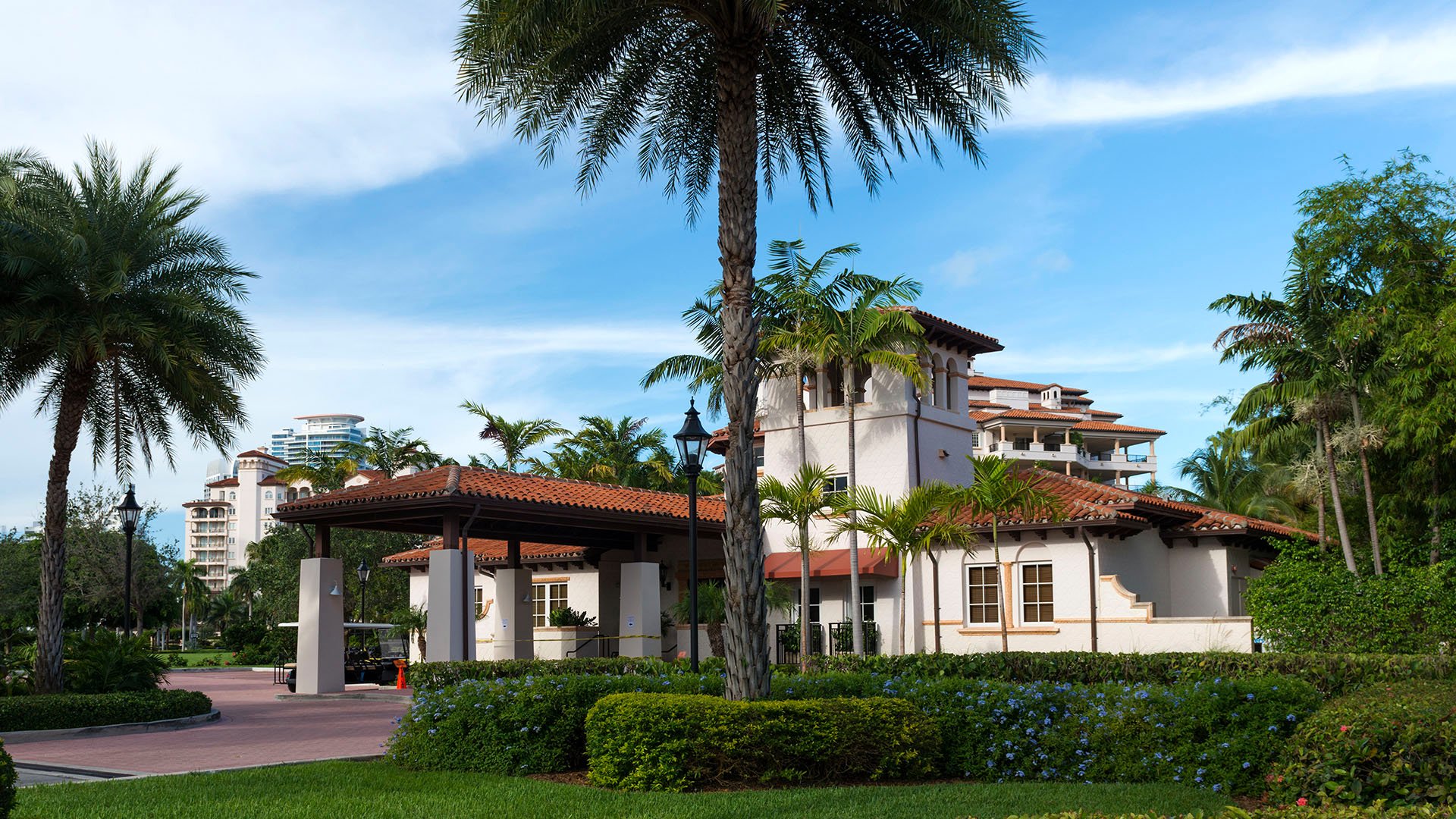
For many South Florida buyers, the conversation around elite private schools begins with academics and quickly becomes a question of logistics. A residence can be architecturally exceptional, beautifully serviced, and perfectly positioned for dining or the water, yet still fall short if the morning drive turns into a daily negotiation with traffic, bridges, valet queues, or circuitous neighborhood exits.
The best addresses for school-focused households are not always the closest on a map. They are the residences that make weekday mornings feel composed: predictable access, sensible garage movement, an easy place for a driver or parent to stage, and a neighborhood rhythm that does not turn every drop-off into an endurance test. In a market where privacy and convenience carry equal weight, the morning commute has become a quiet luxury metric.
A manageable school drive is built from several small advantages. The first is route optionality. If a residence gives a household more than one credible way to reach a campus corridor, the buyer has flexibility when weather, construction, or event traffic changes the day. The second is departure simplicity. A glamorous tower loses some of its appeal if elevators, valet circulation, or garage egress add tension before the car even reaches the street.
The third factor is household programming. Families with younger children may value a large mudroom, service elevator access, package management, and a calm lobby experience. Families with older students may prioritize independent mobility, covered parking, and proximity to after-school tutoring, athletics, or college counseling appointments. The fourth is the evening return. A morning drive can be tolerable, but the afternoon pickup and activity loop often reveal whether an address truly works.
Coconut Grove and Coral Gables remain compelling for buyers who want a residential atmosphere with access to private-school routines, cultural life, and mature neighborhood fabric. The appeal is not simply beauty. It is the sense of living in an area where daily life can be organized around shorter errands, familiar streets, and a softer transition between home and campus.
For buyers who want a highly serviced condominium lifestyle without abandoning the Grove’s residential character, Four Seasons Residences Coconut Grove offers a natural point of comparison. Nearby, Coral Gables buyers evaluating a refined, urban-village setting may look closely at Cora Merrick Park, particularly if they want a residence that supports a more walkable, appointment-driven week.
In this part of the market, buyers should test more than distance. They should study how quickly they can move from garage to main road, whether the route depends on a single bottleneck, and how the home feels after a full day of school, sports, and family commitments. A polished address matters, but a calm pattern matters more.
Brickell and Downtown attract families who want vertical living, financial-district convenience, and a dense amenity environment. For school logistics, the decision is more nuanced. The tradeoff is not whether urban living can work. It often can. The real question is whether the household’s specific campus route, driver arrangement, and after-school schedule align with the intensity of the neighborhood.
A Brickell residence may be ideal for parents whose professional lives are centered nearby, especially if a driver can handle school movement while adults reduce their own commute burden. Still, buyers should be candid about peak-hour street behavior, garage access, and the difference between a seven-minute drive at the wrong time and a more graceful route at the right time. In an urban setting, a household’s exact floor, parking assignment, and building procedures can influence the school run as much as the broader neighborhood.
Families who choose Brickell well tend to treat the building as part of the transportation plan. They ask about pickup protocol, guest parking, elevator patterns, and how easily a child can move from residence to car without friction. In that sense, luxury is operational as much as aesthetic.
Not every family wants the same version of South Florida. Aventura can appeal to buyers who need northern Miami-Dade access and a polished condominium environment. Avenia Aventura belongs in that conversation for buyers comparing lifestyle, waterfront adjacency, and school-day practicality within the area.
Pinecrest speaks to a different preference: larger residential settings, a quieter suburban feel, and a family-first daily rhythm. Doral may enter the search for households whose school, work, and airport-related needs pull them west. These areas should not be judged only by prestige. They should be judged by how the day actually unfolds from breakfast to drop-off, activities, dinner, and evening study.
The most disciplined buyers run the route at the times they will truly use it. They do not rely on a weekend impression or a midday showing. They experience the school drive, the pickup loop, the return home, and the backup option. If the route still feels civilized after that exercise, the residence has passed a test that renderings cannot answer.
North of Miami, the private-school lifestyle often feels more dispersed, with families weighing campus access against beach proximity, downtown dining, golf, and club culture. In Boca Raton, Alina Residences Boca Raton may interest buyers who want a condominium residence within a polished, residential city context. In West Palm Beach, The Ritz-Carlton Residences® West Palm Beach gives buyers another reference point for full-service living near a growing luxury corridor.
Broward buyers have their own calculus. Fort Lauderdale can provide access to coastal living, boating culture, and private-school options across several submarkets. The key is to avoid assuming that a glamorous waterfront address automatically makes weekday life easy. Bridges, event traffic, and route dependency can matter. For those considering a city residence, Andare Residences Fort Lauderdale is one project to place within a broader analysis of commute flow, household staffing, and daily convenience.
Before committing, families should make the residence compete against the calendar. Visit the building during a realistic departure window. Observe how the lobby handles residents, staff, pets, deliveries, and cars. Confirm whether children can move safely and efficiently through the building. Consider where school bags, athletic gear, instruments, and uniforms will actually live.
Then test the neighborhood. Drive the route on an ordinary school morning and again during the afternoon return. Identify the second-best route, not just the favorite one. If the household will use a driver, confirm where the car can wait and how easily communication works between unit, lobby, and curb. If grandparents, tutors, or caregivers are part of the weekly routine, account for them too.
The right residence does not eliminate the demands of family life. It absorbs them. It makes punctuality feel less fragile, gives the household more margin, and turns the school commute from a daily stressor into a manageable ritual.
Is the closest residence always the best choice for a private-school commute? Not necessarily. Route quality, garage access, and traffic patterns can matter more than map distance.
Should buyers test the school drive before making an offer? Yes. The most useful test is a real weekday drive during actual drop-off and pickup windows.
Can condominium living work for families with school-age children? It can, especially when the building has efficient parking, predictable elevators, and family-friendly circulation.
What should families ask a building before buying? Ask about valet procedures, resident parking, guest access, service elevators, and morning lobby congestion.
Is Brickell practical for private-school families? It can be, but the household should evaluate specific routes and peak-hour movement very carefully.
Why do some families prefer Coconut Grove or Coral Gables? Many buyers value their residential feel, established streets, and suitability for family routines.
How should buyers compare Aventura, Pinecrest, and Doral? Compare the full weekly pattern, including work, school, activities, errands, and evening return times.
Do waterfront residences complicate the school run? They can if routes depend on bridges or limited exits, so each address should be tested in real conditions.
What role does household staffing play in the decision? A driver, nanny, or family office can change which residence feels most efficient and livable.
What is the most overlooked factor in school-oriented buying? Afternoon logistics are often overlooked, yet pickup, sports, tutoring, and dinner can define the day.
When you're ready to tour or underwrite the options, connect with MILLION.
If branded residences are on your mind — as a home or as an allocation — we would be glad to share what we are seeing, privately.
Begin a quiet conversation