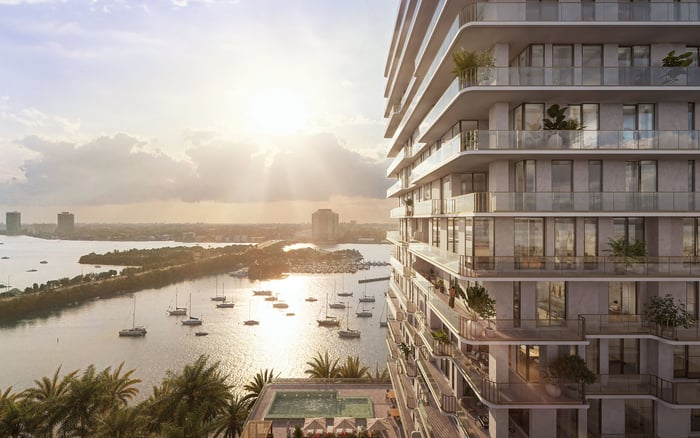
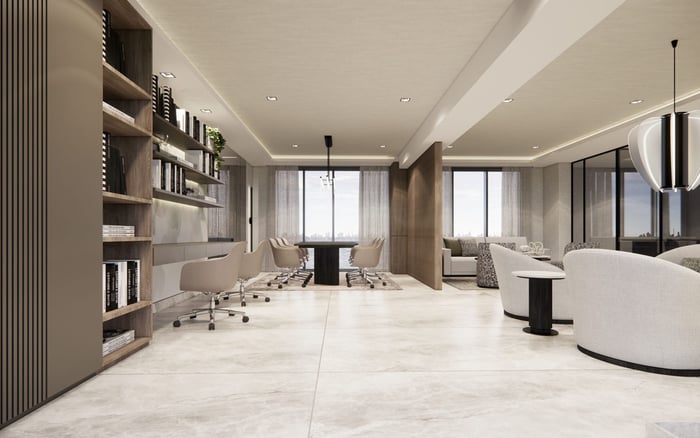
A collector-focused guide to evaluating North Bay Village residences for Miami’s art-season calendar, with emphasis on display planning, security, privacy and practical second-home ownership.
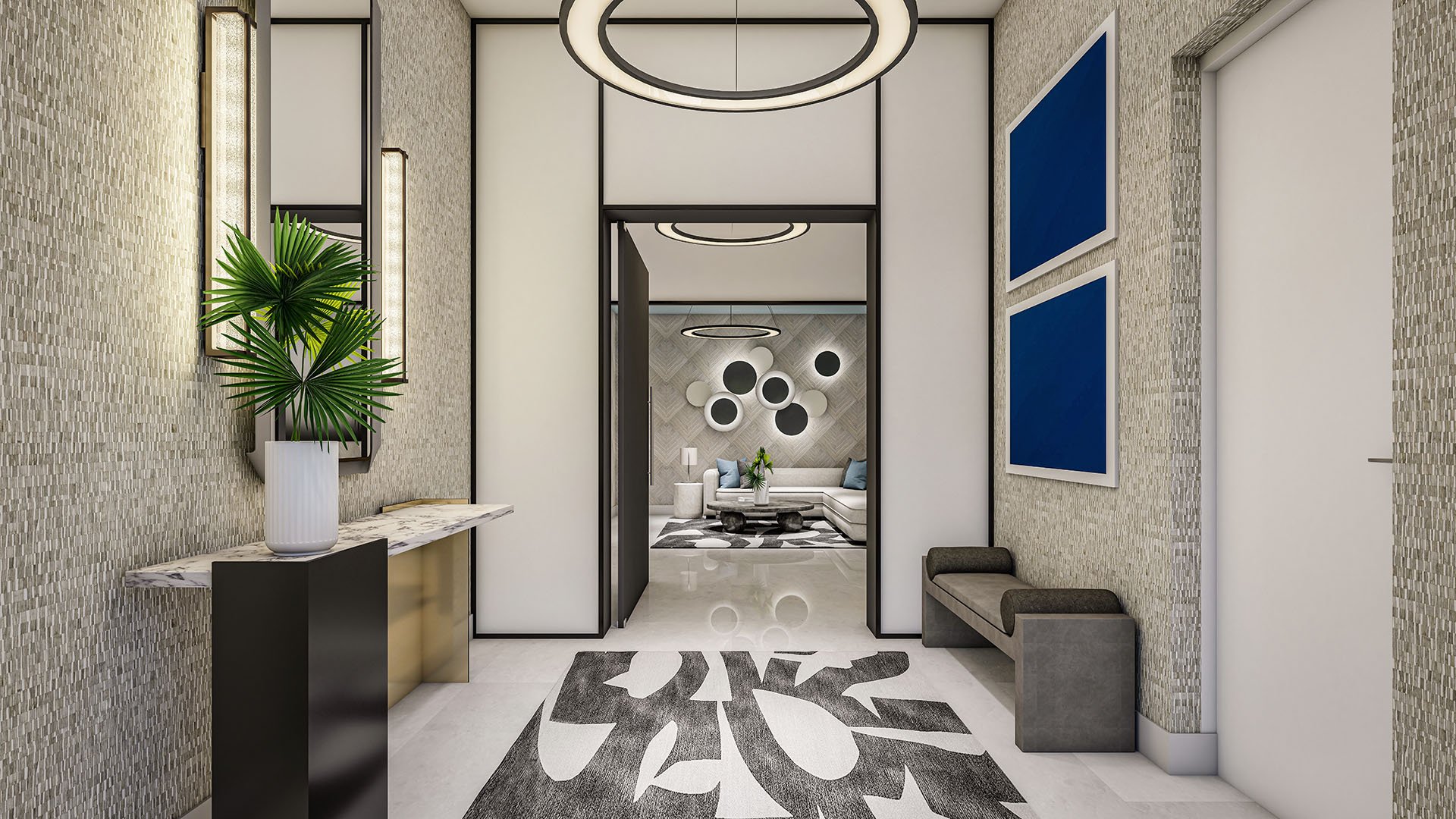
For collectors arriving in Miami for Art Basel and Miami Art Week, a residence is more than a place to stay. It can serve as a private setting for viewing art, hosting advisers and decompressing between fairs, exhibitions and dinners. The right choice should support both the collection and the calendar.
North Bay Village merits consideration through that precise lens. Rather than treating every new-construction offering as interchangeable, buyers should examine how each residence addresses wall space, natural light, privacy, deliveries and extended absences. A polished sales presentation is only the opening chapter. The decisive details typically emerge in plans, specifications, management documents and a careful review of the intended ownership experience.
Collectors should begin with dimensions, not decorative renderings. Request reflected ceiling plans, wall elevations and the locations of glazing, vents, switches and life-safety equipment. A long wall may appear exhibition-ready until controls or mechanical elements interrupt the composition.
Lighting warrants equal scrutiny. Ask what is included, what can be adjusted and whether additional circuits or blocking can be accommodated. For light-sensitive works, investigate shading and exposure direction rather than assuming dramatic glass is automatically collection-friendly. Climate stability, moisture management and emergency procedures should be discussed with qualified art advisers, insurers and building professionals.
Circulation is another quiet luxury. Oversized works need a viable path from the loading area to the residence, with adequate door, corridor and elevator clearances. Service access should remain discreet, while installation teams need reasonable working conditions. These considerations protect both the artwork and the building’s sense of calm.
A disciplined search can begin with Continuum Club & Residences North Bay Village. Use the project materials as a starting point, then request the exact plans and specifications for each residence under consideration. Compare usable wall lengths, elevator access, storage options and rules governing deliveries or installation crews.
Shoma Bay North Bay Village belongs in the same comparative exercise. The relevant question is not which rendering feels most theatrical, but which individual layout best supports the buyer’s art, entertaining style and time away from Miami. Test every assumption at the unit level, as orientation and interior configuration can materially shape the experience.
A third candidate is Tula Residences North Bay Village. Here, too, buyers should move from broad concept to precise documentation. Confirm finish schedules, customization potential, service circulation and the practical route for moving valuable objects. The strongest option will survive this detailed comparison, not merely deliver the most memorable presentation.
Event week changes the way Miami moves. Before committing, buyers should test likely routes to Miami Beach and other destinations at the hours they expect to travel. A chauffeur, private car and rideshare may each create a different routine, while departure timing can matter as much as distance.
Build a personal itinerary before touring residences. Mark fairs, gallery appointments, museum visits, dinners and airport transfers, then assess how North Bay Village fits that sequence. This transforms an abstract location decision into a realistic ownership test.
Waterfront appeal should be balanced with operational discipline. A second residence requires dependable oversight during long absences, clear access protocols and a straightforward process for maintenance, deliveries and guest arrivals. Ask who may enter the residence, how permissions are recorded and what happens when the owner is abroad.
For a second-home buyer, service quality is not merely an amenity; it is part of risk management. Review staffing expectations, management responsibilities, reserve planning, insurance requirements and restrictions that could affect art handlers, designers or private events. Counsel should examine the governing documents, while insurance and conservation specialists should advise on the collection itself.
The final decision should rest on written answers. Request current plans, contractual specifications and applicable policies. Ask whether proposed art lighting, shades, wall reinforcement or environmental monitoring would require approval. Confirm elevator dimensions and delivery procedures rather than relying on visual impressions.
Collectors should also separate the residence purchase from the collection plan. A beautiful home may still require specialist modifications, and those costs should be understood early. The goal is a residence that feels effortless during Miami’s busiest cultural week and remains responsibly managed throughout the year.
Which North Bay Village residence is best for an art collector? The answer depends on the collection, preferred layout and service expectations. Compare exact unit plans and written specifications before deciding.
Should buyers prioritize wall space or views? Both can matter, but the balance is personal. Evaluate uninterrupted walls, glazing, exposure and shading against the works you intend to display.
What plans should a collector request? Ask for dimensioned floor plans, reflected ceiling plans, wall elevations and relevant electrical or mechanical information.
Why are elevator dimensions important? They help determine whether large works can move safely from the loading area to the residence without extraordinary handling.
Can standard residential lighting support important art? It may not suit every collection. A specialist should assess illumination, controls, heat and conservation needs for particular works.
How should a buyer evaluate event-week travel? Test intended routes at realistic times and model the actual sequence of fairs, appointments, dinners and airport transfers.
What security questions belong on the checklist? Review access control, visitor permissions, delivery procedures, staffing protocols and the handling of keys or digital credentials.
Is storage as important as display space? Yes, particularly for crates, rotating works or installation materials. Confirm what storage is available and whether its conditions are appropriate.
What should second-home owners examine? Focus on management, maintenance, emergency response, insurance obligations and access procedures during extended absences.
When should art advisers and legal counsel become involved? Ideally, before contract commitments or customization deadlines, allowing practical, conservation and document issues to be identified early.
For a confidential assessment and a building-by-building shortlist, connect with MILLION.
If branded residences are on your mind — as a home or as an allocation — we would be glad to share what we are seeing, privately.
Begin a quiet conversation