A document-focused review of Tula Residences for second-home buyers, covering insurance evidence, deposit reconciliation, final funding instructions, and precautions against closing-day delays.
A waterfront second home should offer a sense of ease. Its acquisition deserves an equally considered approach, especially when insurance evidence, deposited funds, and lender disbursement must align. For a buyer considering Tula Residences North Bay Village, the most useful review extends beyond architecture. It requires a close reading of the documents that determine whether ownership can transfer on the intended day.
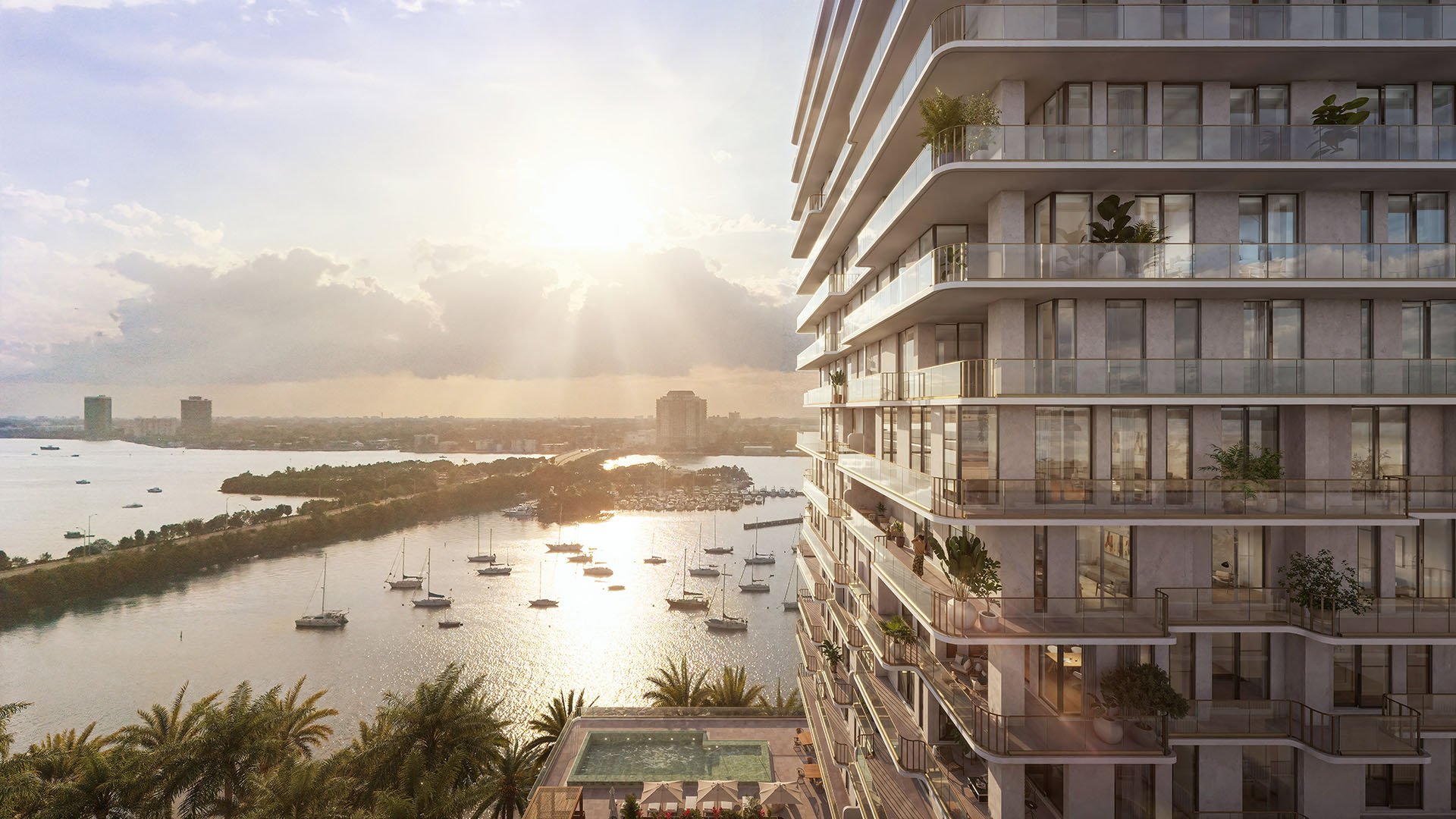
Tula is located at 7918 West Drive, North Bay Village, Florida 33141. Its developer is Pacific & Orient Properties, LLC, and the waterfront condominium comprises 21 stories and 54 residences. Those details establish the project context-not an individual buyer's insurance obligations, final settlement amount, or funding arrangements.
The practical objective is to align three items before closing: the insurance evidence, the settlement figures, and the instructions governing receipt and release of funds. Each should be reviewed by the professional responsible for accepting it, rather than left for correction on closing morning.
Tula's anticipated timing has changed. An earlier estimate indicated an expected Q4 2026 closing; as of October 2026, anticipated completion is Q3 2027. Neither estimate guarantees a closing date for a particular residence.
Ask counsel to distinguish the project's anticipated completion from the notice provisions and deadlines in the executed purchase agreement. Before arranging travel or activating coverage, request confirmation of the buyer-specific closing timetable and the documents that trigger it.
The same distinction belongs in any comparison with Continuum Club & Residences North Bay Village. Apply the same document questions to each property without assuming their delivery notices, extension rights, or funding procedures are interchangeable. A neighborhood comparison is useful; a contract comparison is essential.
An insurance binder is temporary evidence that coverage is in force for a specified buyer and property before the full policy documentation is issued. For a financed purchase, lenders generally require acceptable insurance evidence before funding. Deliver the binder to the lender and closing agent before closing morning to allow time for corrections.
Start with identity. Check the insured buyer, property address, and unit designation against the transaction documents. Then review coverage limits, deductibles, and the effective date. Where applicable, confirm the mortgagee information and lender loan number with the lender rather than assuming the wording is correct.
Errors in property identification, the mortgagee clause, or the coverage effective date can delay lender review or settlement. Request confirmation that the submitted evidence is acceptable-not simply that an attachment was received.
Separately, ask the association and insurance agent to explain how the master policy and individual condominium policy divide responsibility. Wind, flood, water damage, and loss assessment deserve explicit discussion. These are questions to resolve, not representations that Tula provides particular coverage. Evaluate the binder against the actual requirements supplied for the purchase.
Tula's deposit schedule calls for 20% at contract signing, another 10% six months later, and 70% at closing, with terms subject to change between releases. The buyer's executed agreement, rather than a general schedule, should govern the review.
Even where that schedule applies, the 70% balance is not necessarily the buyer's final wire amount. Lender proceeds, settlement charges, prorations, contributions, and credits must also be reconciled. Request a written calculation showing how the purchase balance translates into the amount required from the buyer.
The review should address:
The contract price and every deposit credited against it.
The remaining purchase balance and lender proceeds applied at settlement.
Settlement charges, tax prorations, association charges, and contributions.
Applicable credits and the resulting final buyer wire amount.
Ask the closing agent to match every credited deposit to bank records and the correct unit. A total alone is not enough; the underlying transactions must agree. If an entry changes, request an explanation and an updated reconciliation before approving the final settlement statement.
A buyer also considering Shoma Bay North Bay Village can use the same reconciliation framework. Review the documents for each purchase independently, without carrying deposit assumptions or closing charges from one development into another.
Tula secured a $67 million construction loan from S3 Capital. That is project financing, not approval of any purchaser's mortgage. It does not confirm that an individual buyer's loan is ready to fund.
For a financed purchase, ask the lender to identify outstanding conditions and confirm whether the insurance evidence has been accepted. Ask the closing agent what must occur before disbursement. For a cash purchase, the buyer's transfer still requires its own timetable and receipt confirmation.
The essential distinction is between money expected, money sent, and money accepted for settlement. Request written confirmation of which status matters at each deadline. Do not assume that signing documents or initiating a transfer satisfies the funding requirement.
Same-day funding is a question to resolve, not an entitlement. Obtain written answers about the applicable wire cutoff, whether funds must be received rather than merely initiated, and the conditions for disbursement. Ask what happens if buyer funds or lender proceeds arrive late.
Establish Tula-specific same-day funding permissions and extension rights through the transaction documents and written instructions. Do not assume either exists. Ask counsel to explain the contractual consequences of a funding delay before relying on a closing-day transfer.
Potential precautions include accessible backup funds or a negotiated written extension. Neither is an existing protection unless it has been arranged. Clarify who must approve the fallback and how it interacts with the closing deadline.
For a second-home search extending to Miami Beach and The Perigon Miami Beach, maintain the same discipline: assess the residence and its transaction requirements separately. A preferred address does not answer a funding question.
Before authorizing the final transfer, ask the lender and closing agent to confirm the insurance evidence, have the settlement figures reconciled, and obtain written funding instructions. Resolve discrepancies while there is time to correct them. The most reassuring closing package makes responsibilities, amounts, and deadlines explicit.
For a discreet perspective on South Florida second-home opportunities, explore MILLION.
If branded residences are on your mind — as a home or as an allocation — we would be glad to share what we are seeing, privately.
Begin a quiet conversationTula Residences is located at 7918 West Drive, North Bay Village, Florida 33141.
Pacific & Orient Properties, LLC is identified as the developer.
Tula is described as a 21-story waterfront condominium with 54 residences.
No; Q3 2027 is an anticipated completion estimate identified in October 2026, not a guaranteed buyer-specific closing date.
The stated schedule is 20% at signing, 10% six months later, and 70% at closing. Terms can change, so review the executed purchase agreement.
An insurance binder is temporary evidence that coverage is in force for a specified buyer and property before full policy documentation is issued.
Check the insured buyer, address and unit, coverage limits, deductibles, and effective date. Also verify applicable mortgagee information and the lender loan number.
Not necessarily; the final buyer wire amount should reconcile credited deposits, lender proceeds, settlement charges, prorations, association charges, contributions, and credits.
No; the $67 million construction loan from S3 Capital is project financing, separate from approval and funding of a purchaser's mortgage.
No; obtain written confirmation of funding deadlines and late-arrival consequences, and negotiate any extension rather than assuming it is included.