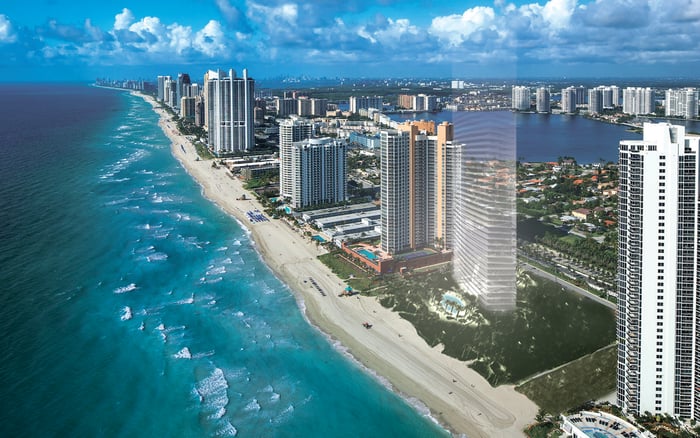
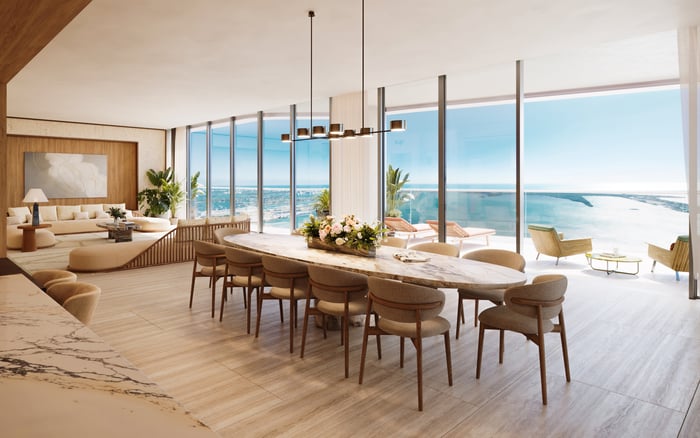
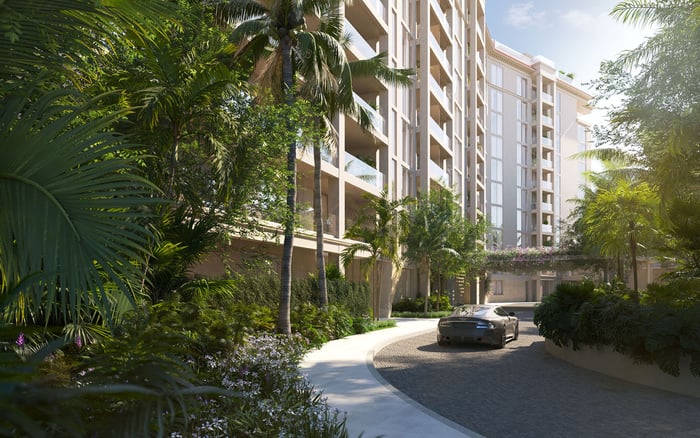
A discreet buyer’s guide to selecting Miami waterfront residences for seasonal use, focused on lock-and-leave ease, arrival convenience, service depth, privacy, and the differences between beach, bay, river, and marina-oriented lifestyles.
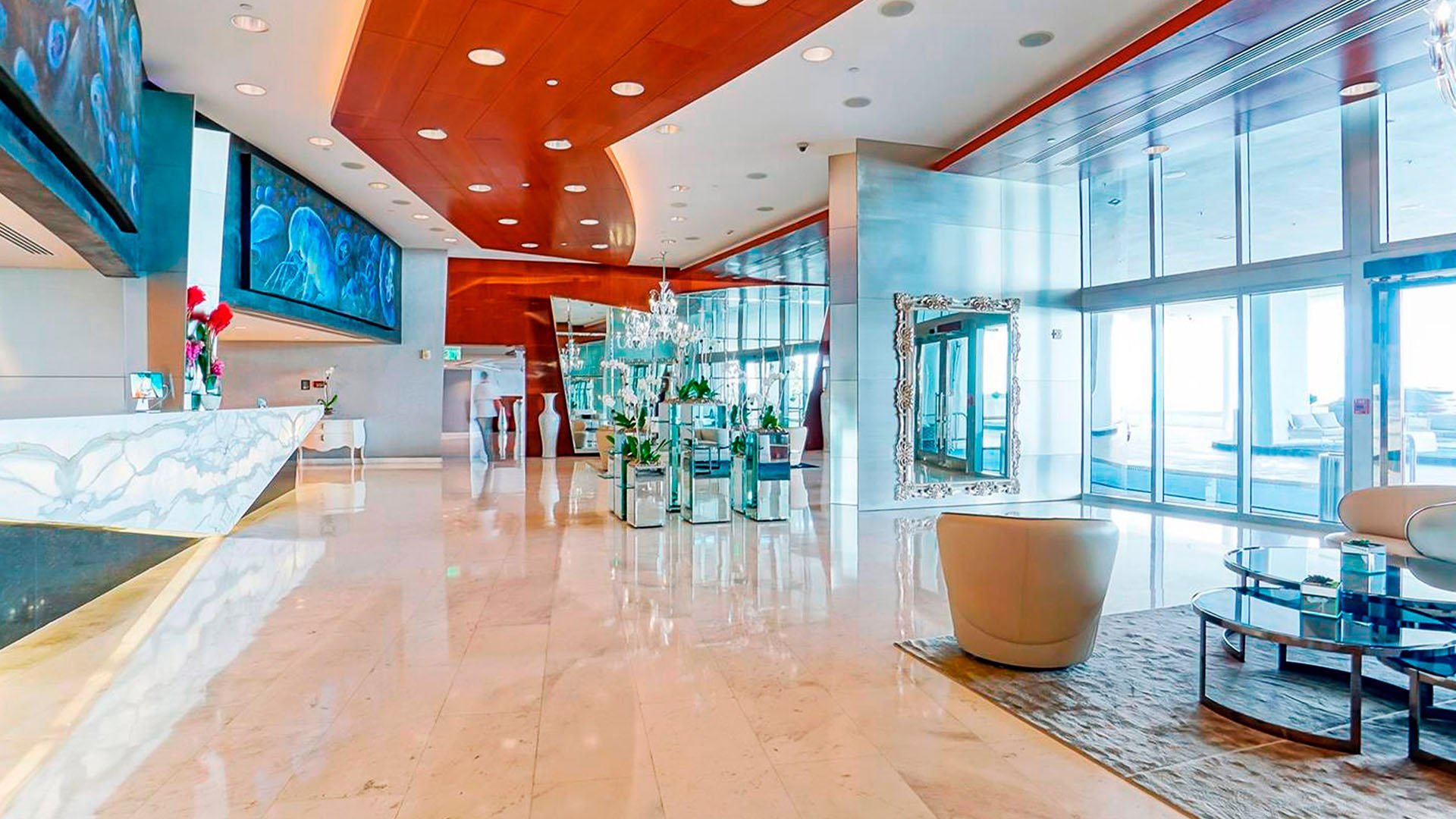
For second-home owners, the best Miami waterfront residence is not simply the one with the most theatrical view. It is the one that performs beautifully during three winter weeks, two long weekends in spring, and an unplanned family visit in between. The standard is low-friction seasonal use: effortless arrival, predictable maintenance, privacy while away, and a setting that feels restorative within minutes of unlocking the door.
That distinction matters. A primary residence can absorb personal systems, daily routines, and minor inconveniences because the owner is present to manage them. A seasonal residence must be calmer. It should welcome an owner arriving from the airport late in the evening, with the home fresh, the terrace ready, and no need to spend the first day resolving small operational issues.
These filters shift the search away from generic waterfront glamour and toward a specific second-home routine across Miami Beach, Brickell, Sunny Isles Beach, and other coastal enclaves. For some buyers, move-in ready condition will matter as much as the view.
Low-friction is not a single amenity. It is the relationship between architecture, building operations, location, and the owner’s personal travel pattern. A residence may be exquisite, but if it requires constant oversight, complicated guest logistics, or extensive seasonal preparation, it may not be the right second home.
The most efficient seasonal residences tend to share several qualities. They have intuitive floor plans that are easy to reopen after an absence. They support indoor-outdoor living without asking an owner to maintain a single-family level of infrastructure. They offer arrival sequences that feel discreet rather than theatrical. They sit in locations where dining, wellness, boating, beach time, and private appointments can be compressed into a short stay.
For a Miami Beach-oriented buyer, a project such as The Perigon Miami Beach may enter the conversation because the address category itself aligns with a beach-season rhythm. The question is not only whether the residence is beautiful. It is whether the owner wants mornings shaped by the oceanfront, evenings near the energy of the Beach, and a home base that can support both solitude and hosting.
Miami’s waterfront is not one lifestyle. Oceanfront, bayfront, riverfront, island, and marina-adjacent settings each create a different seasonal experience. A buyer who says “waterfront” may actually mean walkable sand, a wide bay panorama, direct boating culture, skyline drama, or quiet separation from the city.
Oceanfront living is often the most emotionally immediate. It gives a second-home owner the fastest psychological transition from work mode to resort mode. The tradeoff is that the building, beach environment, exposure, and arrival pattern all need to feel manageable. Buyers should think carefully about whether they want the social texture of a well-known beach corridor or a more residential stretch.
Bayfront and island living can feel more private and contemplative. The water reads differently there: reflective, residential, often quieter. In Bay Harbor Islands, a buyer comparing low-friction seasonal options might study Onda Bay Harbor within the broader idea of a contained, water-oriented enclave. The appeal is less about spectacle and more about a softer daily cadence.
Brickell offers a different proposition. It is urban, connected, and useful for owners who want water proximity without giving up dining, offices, services, and city convenience. A residence such as St. Regis® Residences Brickell may be relevant to buyers who prefer a polished urban base over a beach-only address. For some seasonal owners, that balance is precisely the point.
Inside the residence, low-friction seasonal use begins with restraint. The best layouts do not ask the owner to manage unnecessary complexity. They offer generous entertaining space without creating unused rooms that need constant preparation. They separate owner suites from guest areas. They give terraces a clear purpose, whether for morning coffee, sunset dining, or quiet reading.
Storage is often underestimated. Seasonal owners bring luggage, sports gear, beach items, entertaining pieces, and sometimes duplicate wardrobes. A residence that looks pristine on a tour can become inconvenient if it lacks disciplined storage planning. The same is true for service spaces. Laundry, deliveries, housekeeping access, and owner closets are not glamorous details, but they shape the experience every time the home is reopened.
A furnished or nearly finished condition can be meaningful, but only if it suits the owner’s standards. Move-in ready should not mean generic. It should mean the residence can be made personal without a long period of construction, procurement, or supervision. For buyers living primarily out of state or abroad, that distinction can be decisive.
In Sunny Isles Beach, buyers who prefer a vertical coastal setting may include Bentley Residences Sunny Isles in their broader comparison set. The evaluation should remain practical: arrival, parking, privacy, views, household support, and how the residence feels when occupied for only part of the year.
A second home is most valuable when absence is uneventful. Owners should focus on how a building handles routine access, packages, vendors, housekeeping coordination, guest arrivals, and maintenance visits. The goal is not to outsource taste. It is to reduce the number of decisions required before and after each stay.
Privacy also changes for seasonal owners. A full-time resident becomes part of the daily building rhythm. A second-home owner may prefer a more discreet profile, with fewer repeated explanations and less visible coming and going. Arrival should feel composed. Departure should feel equally simple, with confidence that the residence can remain closed until the next visit.
Technology can help, but it is not a substitute for good operations. Remote climate control, water monitoring, security visibility, and access management are useful only when paired with reliable building procedures and trusted personal support. The best residences combine elegant design with a quiet operational backbone.
The most refined second-home search begins with use, not square footage. How often will the owner come to Miami? Will visits be spontaneous or planned months in advance? Will adult children, friends, or staff use the home independently? Is boating part of the lifestyle, or is the water primarily visual? Does the owner want immediate beach access, a city address, or an island-like retreat?
Only after those questions are answered should buyers compare buildings. A larger residence is not always better for seasonal use. A more serviced, better located, easier-to-maintain home may deliver more pleasure than a larger property requiring heavier management. The right acquisition should reduce effort, not add another layer of obligation.
For buyers who want a waterfront identity with a central Miami frame, The Residences at Mandarin Oriental, Miami may be part of the landscape of consideration. As with every residence in this category, the decision should be tested against the owner’s actual seasonal life rather than an abstract idea of prestige.
The best Miami waterfront residences for second-home owners are ultimately the ones that feel ready before the owner arrives, gracious while the owner is present, and secure after the owner leaves. That is the quiet luxury of low-friction ownership.
What makes a Miami waterfront residence ideal for second-home use? The strongest fit combines location, privacy, service depth, and a floor plan that is easy to enjoy after time away.
Is oceanfront always better than bayfront for seasonal owners? Not necessarily. Oceanfront offers immediacy, while bayfront or island settings may offer a quieter and more residential rhythm.
Should second-home buyers prioritize amenities or operations? Operations often matter more. Amenities are valuable, but dependable access, maintenance coordination, and privacy shape every stay.
Is Brickell practical for a seasonal waterfront buyer? Brickell can work well for owners who want an urban base with dining, services, and city access close at hand.
Why does lock-and-leave design matter? It reduces the effort required to close, reopen, host, and maintain the residence between visits.
Should buyers consider move-in ready residences? Yes, especially when they want immediate seasonal use and prefer to avoid prolonged oversight of construction or furnishing.
How important is building staff for absentee owners? Very important. A capable building team can make arrivals smoother and periods of absence less stressful.
Are larger residences better for second homes? Not always. The better choice is the residence that matches actual use, guest patterns, and maintenance tolerance.
What should international or out-of-state buyers evaluate first? They should evaluate arrival logistics, remote oversight, storage, service access, and how quickly the home feels usable.
Can one residence serve both private retreats and entertaining? Yes, if the plan separates owner privacy from guest areas and supports hosting without adding daily complexity.
When you're ready to tour or underwrite the options, connect with MILLION.
If branded residences are on your mind — as a home or as an allocation — we would be glad to share what we are seeing, privately.
Begin a quiet conversation