A discreet guide to selecting Miami Design District luxury residences for lock-and-leave ownership, with emphasis on service depth, privacy, access, and long-term ease.
For the buyer moving between Miami, New York, the Caribbean, Europe, or a private-island calendar, a residence near the Miami Design District must do more than look beautiful. It has to perform beautifully while the owner is away. Lock-and-leave ownership is not simply closing the door after a long weekend. It is a disciplined residential choice shaped by staffing, security, building governance, arrival experience, maintenance simplicity, and the confidence of returning to a home that feels composed rather than dormant.
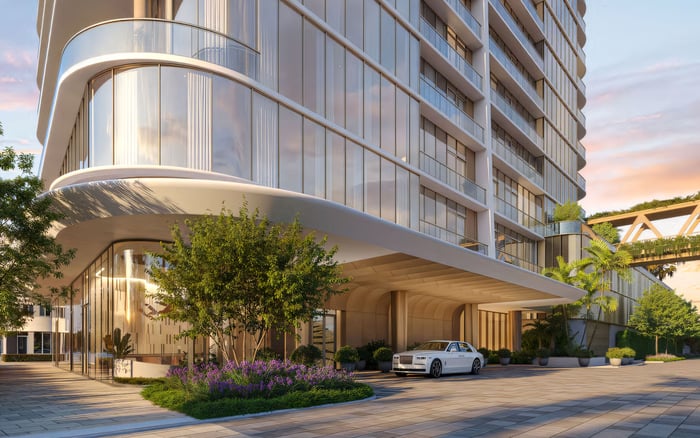
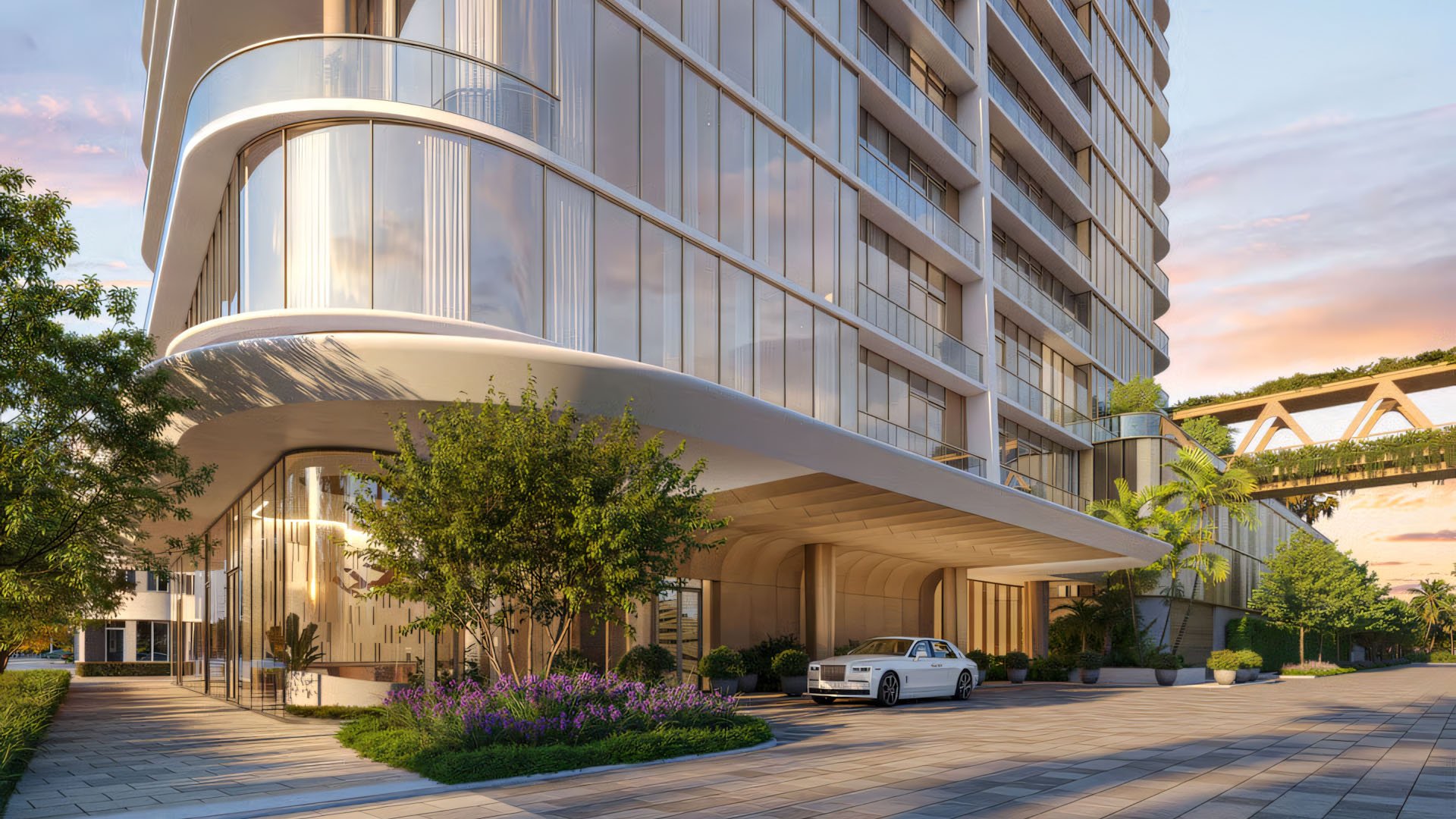
The Design District buyer is often drawn to art, interiors, fashion, dining, and proximity to Miami’s most design-literate neighborhoods. That makes the residence part of a broader lifestyle circuit. The best choices are not always the most conspicuous. They are the buildings and private residences that remove friction: a secure lobby, reliable package handling, thoughtful valet or garage protocol, responsive management, well-kept common areas, and floor plans that do not demand constant supervision.
A true lock-and-leave home also respects time. Owners should be able to arrive late, host comfortably, leave early, and trust that the building’s operational culture supports that rhythm. For the second-home owner, that distinction is often more important than an expansive amenity count.
The strongest Design District-oriented residences tend to fall into five profiles.
First is the closest-in urban residence, selected for immediate access to the neighborhood’s galleries, showrooms, and restaurants. For a buyer beginning the search at the neighborhood’s center of gravity, Kempinski Residences Miami Design District belongs in the consideration set because it is explicitly positioned around the Design District address. The key question is not only whether the architecture appeals, but how well the service model supports absences, deliveries, guest arrivals, and private transportation.
Second is the Midtown and Design District adjacency play. This suits buyers who want the feeling of being close to the district without necessarily prioritizing the most central address. Miami Design Residences Midtown Miami is a relevant comparison point for that search. In this profile, the smartest due diligence focuses on walkability preferences, traffic patterns, lobby privacy, parking ease, and the building’s approach to owner services.
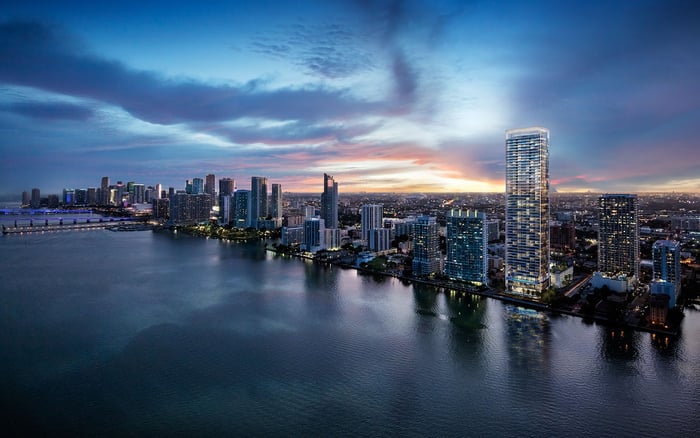
Third is the waterfront-adjacent alternative in Edgewater. This appeals to owners who want proximity to the Design District but prefer broader water views, a larger amenity environment, or a slightly more residential return at the end of the day. EDITION Edgewater and Villa Miami are natural names to compare when the buyer is weighing a design-forward Miami lifestyle against water-oriented living. Edgewater can be especially compelling for owners who use Miami as a periodic base and want the residence to feel resort-like without feeling remote.
Fourth is the island or bayfront private-residence profile, where the owner may accept a short drive in exchange for stronger privacy and a more composed arrival sequence. The Residences at Mandarin Oriental, Miami fits conversations where service culture, discretion, and a more complete private-residence experience matter as much as Design District access.
Fifth is the broader urban luxury circuit, including Downtown and Brickell, for buyers who split time among finance, dining, cultural events, and international travel. Brickell is not the Design District, and Downtown has its own rhythm, but both can work for owners who value Miami connectivity and a more vertical, service-rich residential environment.
Finishes seduce, but staffing sustains value. A lock-and-leave residence should be evaluated first through daily operations. How does the building manage visitors when the owner is away? Is there a clear protocol for vendors? Can management coordinate routine maintenance access? How are packages, perishables, luggage, and deliveries handled? Is the garage or valet experience orderly at peak hours?
These questions are not glamorous, yet they determine whether a residence feels effortless. The best buildings make absence uneventful. They do not require constant owner intervention, personal assistants chasing issues, or repeated explanations to front-desk staff. In the ultra-premium market, discretion is not a mood. It is a system.
Boutique does not have to mean small, and large does not automatically mean impersonal. The point is alignment. A buyer who values anonymity may prefer a quieter building culture. A buyer who entertains frequently may prefer deeper staffing and more robust guest handling. Both can be luxury choices, provided the building is honest about its strengths.
The Design District sits within a useful ownership triangle: Wynwood to the west and south, Edgewater to the east, and the broader Downtown and Brickell corridor beyond. Each location changes the feeling of the purchase.
Wynwood adjacency can suit a creative buyer who wants immediacy, energy, and an informal cultural edge. Edgewater tends to appeal to those who want proximity with a softer residential landing. Downtown can be practical for buyers who move through business, arts, and waterfront events. Brickell remains the more corporate, globally connected option, often preferred by buyers who think in terms of airport access, meetings, private banking, and weekday convenience.
For lock-and-leave ownership, geography should be tested at the hours the owner will actually live there. A residence that feels perfect at noon may feel very different after dinner, after an event, or before an early flight. The most elegant purchase is the one that matches the owner’s real calendar.
The ideal lock-and-leave floor plan is resilient. Natural stone, millwork, integrated lighting, kitchens, terraces, smart-home systems, and climate control all require thoughtful upkeep. Owners should ask how the residence will be monitored when vacant, how humidity is managed, and how quickly building personnel can identify and address issues.
Large terraces and dramatic glazing can be highly desirable, but they should be considered with the same sober eye as art storage, wardrobe care, and furniture protection. Miami rewards beauty, but it also rewards preparation. The more complex the residence, the more important it is to understand who will manage that complexity when the owner is away.
A strong lock-and-leave candidate should also have a clear ownership manual in practice, even if it is not called that. Preferred vendors, access rules, insurance expectations, renovation protocols, pet policies, rental restrictions, and move-in procedures all matter. The best time to study those details is before the contract becomes emotional.
A Design District buyer may be unusually sensitive to aesthetics, but resale discipline still matters. The safest choices generally combine a coherent location thesis, a building with a credible service culture, a floor plan that can serve more than one lifestyle, and finishes that feel refined rather than overly personal.
Over-customization can be a quiet risk. A residence designed entirely around one owner’s taste may photograph beautifully and still narrow the future buyer pool. The better approach is restraint: exceptional materials, thoughtful lighting, flexible rooms, strong storage, and a kitchen that can support both daily life and catered entertaining.
Investment thinking in this segment is not only about short-term appreciation. It is about liquidity, durability, and desirability when the owner’s needs change. A residence that remains easy to understand is often easier to resell.
Is the Miami Design District good for lock-and-leave ownership? Yes, if the residence offers strong service, secure access, reliable management, and a location that matches the owner’s actual Miami routine.
Should I buy directly in the Design District or nearby? It depends on whether you value immediate neighborhood access or prefer water views, quieter arrivals, or a more resort-like residential setting nearby.
What is the most important lock-and-leave feature? Building operations matter most, especially security, front-desk consistency, package handling, vendor access, and maintenance coordination.
Are amenities more important than privacy? Not always. For many ultra-premium buyers, privacy, staffing, and ease of arrival are more valuable than a long amenity menu.
How should I compare Edgewater with the Design District? Edgewater can offer a softer residential feel while keeping the Design District within a practical daily orbit.
Does Brickell make sense for a Design District buyer? Brickell can work if the owner also values business access, dining, airport connectivity, and a more vertical urban lifestyle.
What should I ask before buying a second home in Miami? Ask how the building handles absences, vendors, deliveries, humidity control, insurance requirements, and emergency maintenance.
Are boutique buildings better for lock-and-leave owners? Sometimes, but only if the staffing and management are strong enough to support owners who are frequently away.
Should I prioritize new residences or resales? Prioritize condition, service culture, governance, and ease of maintenance rather than assuming one category is always superior.
What makes a residence easier to resell later? A clear location story, flexible floor plan, restrained finishes, strong building operations, and broad appeal all support future liquidity.
For a discreet conversation and a curated building-by-building shortlist, connect with MILLION.
If branded residences are on your mind — as a home or as an allocation — we would be glad to share what we are seeing, privately.
Begin a quiet conversation