A discreet buyer’s guide to Coral Gables luxury residences through the lens of long-term resale depth, with emphasis on product discipline, location logic, privacy, and timeless ownership fundamentals.
For luxury buyers, Coral Gables is rarely a speculative conversation. It is more often a question of permanence: which residence will still feel desirable, legible, and easy to underwrite when the next sophisticated buyer appears years from now? That is the essence of long-term resale depth. It is not the same as short-term appreciation, nor is it simply a matter of buying the most expensive address available. It is the discipline of choosing a home with an enduring buyer audience.
The best Coral Gables luxury residences for this purpose tend to share a few quiet traits. They offer floor plans that age well, privacy that does not depend on fashion, service levels that feel appropriate rather than excessive, and architecture that can coexist with changing tastes. They also sit within a market where buyers often compare condominium convenience, townhome intimacy, and single-family scale against a lifestyle that values composure.
For globally mobile buyers, Coral Gables often functions as shorthand for a more settled kind of South Florida ownership. It suggests proximity without constant exposure, elegance without spectacle, and a residential experience that can remain relevant through different market cycles.
Resale depth begins with the next buyer’s confidence. A residence should be easy to understand within minutes: the arrival sequence, the light, the bedroom hierarchy, the outdoor space, the parking, the storage, and the relationship between public and private rooms. Homes that require too much explanation often narrow their audience, even when they are beautifully finished.
In Coral Gables, buyers seeking depth should study three layers. The first is the residence itself: ceiling presence, room proportions, kitchen placement, primary suite privacy, and outdoor usability. The second is the building or community: maintenance discipline, amenity relevance, security, and the overall feeling of arrival. The third is the exit audience: who will want this home later, and how many different buyer profiles can credibly see themselves living there?
New construction can be compelling when it answers practical ownership questions with contemporary systems, fresh design, and limited maintenance friction. Yet newness alone is not a strategy. The stronger purchase is usually the one where the product type is aligned with a durable buyer need, whether that is a lock-and-leave residence, a private townhome, or a larger home alternative with services.
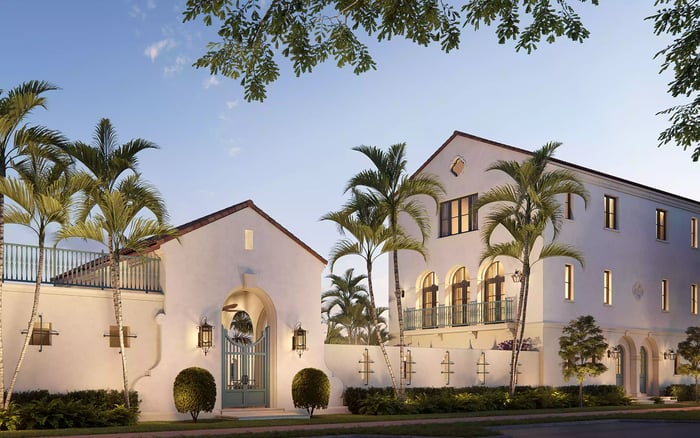
Among Coral Gables options, Cora Merrick Park is the kind of name buyers may study when they want a residence connected to an established, polished urban village rhythm rather than a high-rise resort mood. For resale depth, that distinction matters. A buyer who wants Coral Gables often values daily utility, not just weekend drama.
The appeal of a project like this is less about flash and more about whether it answers a repeatable demand: refined living in a location that can serve both full-time residents and seasonal owners seeking an easier South Florida base. When evaluating it, buyers should look beyond finishes and ask whether the floor plan, elevator experience, parking logic, and amenity scale feel appropriate for long ownership.
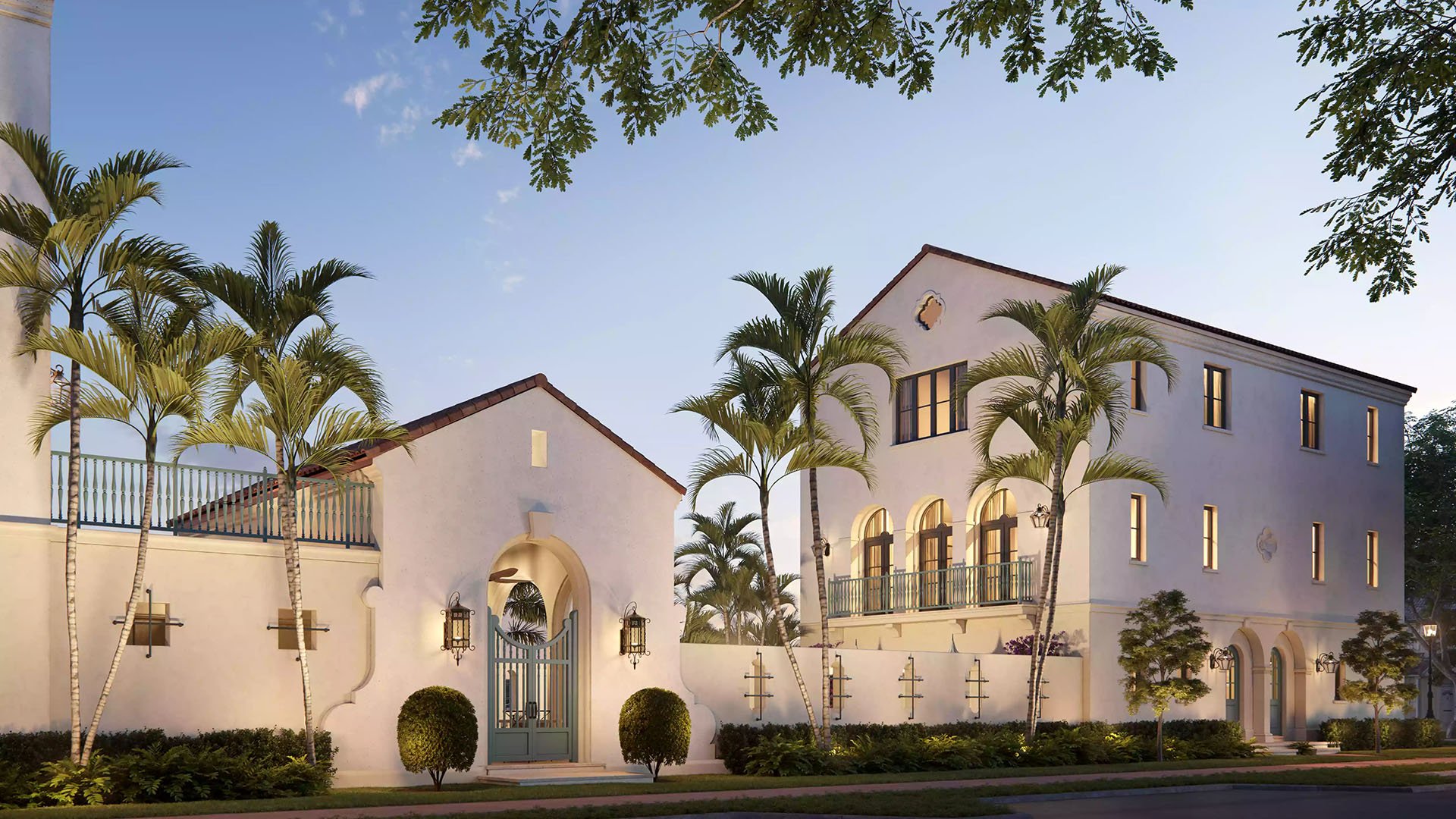
Ponce Park Coral Gables sits within a different buyer conversation, one centered on a residential address that can feel intimate, polished, and highly specific. Boutique positioning can be powerful for resale when scarcity is paired with practical design. The risk, as always, is that boutique homes must be especially well planned; there is less margin for awkward layouts or overpersonalized styling.
For buyers thinking in ten-year terms, boutique scale should be judged through the lens of liquidity, not only exclusivity. A smaller building can feel more private and personal, but the residence still needs broad enough appeal to engage future downsizers, international owners, and local buyers trading out of larger homes.
The Village at Coral Gables may speak to buyers who want a more neighborhood-scaled residential idea, with emphasis on character and a sense of place. In a resale-depth framework, that can be meaningful because many luxury buyers are not simply purchasing square footage. They are purchasing a way to live that feels coherent, recognizable, and difficult to replicate.
The most resilient homes in this category often feel both emotionally distinctive and functionally rational. They can charm without becoming narrow. They can be architectural without making daily life complicated. Most importantly, they can appeal to a future buyer who wants Coral Gables for its residential identity rather than for a trophy statement alone.
A core decision for Coral Gables buyers is whether to prioritize boutique scale or condominium convenience. Boutique buildings and townhome-style residences can create a sense of privacy and scarcity. Larger condominium environments may offer more services, a broader ownership base, and a clearer operating structure. Neither format is automatically superior for resale.
The better question is which format produces the deepest future buyer pool. A residence with too little service may feel inconvenient to a seasonal owner. A residence with too much amenity burden may feel misaligned for a buyer who came to Coral Gables seeking discretion. The sweet spot is where ownership feels effortless but not overbuilt.
Buyers should also avoid treating amenities as a checklist. A pool, fitness area, lounge, or concierge element matters only if it supports the way the building will actually be used. In long-term resale, practical excellence often outperforms novelty. A calm lobby, logical parking, secure package handling, gracious elevators, and well-managed common areas can do more for buyer confidence than a feature that photographs well but sees little daily use.
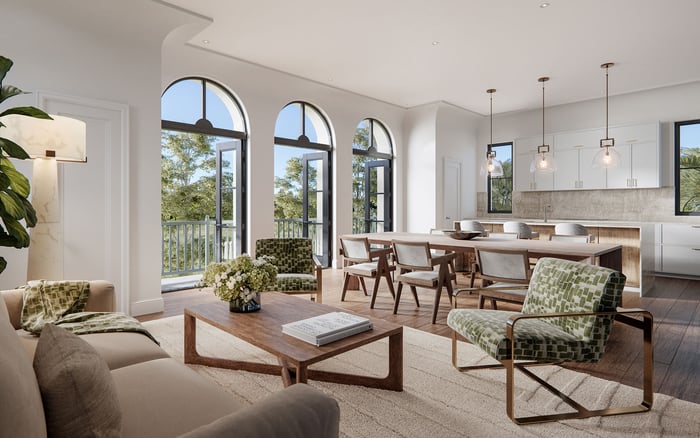
Floor plan quality is one of the least negotiable elements of resale depth. Finishes can be refreshed. Lighting can be improved. Furnishings can change. But a compromised plan usually remains compromised. In Coral Gables, where buyers may be comparing condos, townhomes, and single-family homes, the plan must explain itself elegantly.
Prioritize split bedrooms when privacy matters, generous primary closets, real dining capacity, and outdoor space that can be furnished rather than merely described. Pay attention to where guests arrive, how service areas function, and whether the kitchen feels integrated without dominating the main living room. If a residence is intended as a full-time home, storage becomes more important. If it is a seasonal residence, security and ease of lock-and-leave ownership become central.
The deepest resale pool usually forms around homes that can serve more than one lifestyle. A residence that works for a couple, a small family, an empty nester, and a part-time owner has a wider exit market than one tailored to a single use case. That flexibility is a quiet form of value.
Coral Gables rewards patience because its strongest residences are not always the loudest offerings. Buyers seeking long-term resale depth should move deliberately, compare product types, and resist the urge to overpay for novelty without confirming the fundamentals. The right purchase may be a new residence with modern systems, a boutique home with rare privacy, or a condominium that provides the right service level for a refined but practical lifestyle.
The guiding principle is simple: buy the home that the next sophisticated buyer will understand quickly. That usually means a residence with restrained design, sensible proportions, clear privacy, and an address narrative that remains attractive without needing constant reinvention. In a market as nuanced as Coral Gables, the best luxury residence is not always the most dramatic. It is the one with the deepest future audience.
What does long-term resale depth mean for a Coral Gables residence? It means the home is likely to appeal to a broad, qualified buyer pool over time because its location, layout, privacy, and ownership experience remain compelling.
Is new construction always better for resale in Coral Gables? Not always. New construction can reduce maintenance friction, but resale strength still depends on floor plan quality, pricing discipline, and durable buyer demand.
Are boutique residences a good choice for long-term ownership? They can be, especially when privacy and scarcity are matched by practical layouts, strong management, and broad enough appeal for future buyers.
How should buyers compare a condominium with a townhome-style residence? Compare service level, privacy, storage, parking, outdoor space, and how easily the home can serve both full-time and seasonal ownership.
Which floor plan features matter most for future resale? Clear bedroom separation, gracious living space, usable terraces, strong storage, and a primary suite that feels private are consistently important.
Should buyers prioritize amenities when choosing in Coral Gables? Amenities matter when they support daily life, but practical operations, security, parking, and maintenance quality often matter more for resale depth.
Can a highly customized residence hurt resale potential? Yes. Personalization can be beautiful, but overly specific design choices may narrow the future buyer pool and complicate pricing.
Why is Coral Gables attractive to long-horizon luxury buyers? It offers a more residential ownership lens, where discretion, neighborhood character, and lifestyle continuity can matter as much as spectacle.
How should international buyers think about resale depth? They should prioritize easy-to-understand residences with lock-and-leave convenience, clear management structure, and layouts that translate across buyer cultures.
What is the best first step before purchasing? Define the likely future buyer for the residence, then evaluate whether the home’s layout, scale, services, and location support that audience.
When you're ready to tour or underwrite the options, connect with MILLION.
If branded residences are on your mind — as a home or as an allocation — we would be glad to share what we are seeing, privately.
Begin a quiet conversation