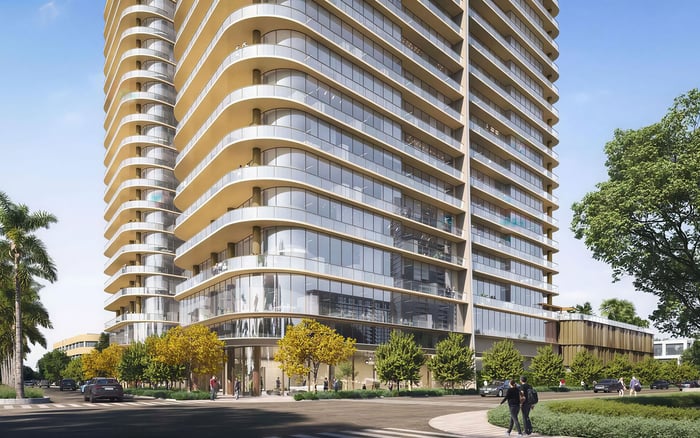
A buyer-focused examination of service culture, brand governance, staffing, privacy and the practical diligence required when considering branded residential ownership.

For a purchaser evaluating Kempinski Residences Miami Design District, service culture is best understood not as an amenity, but as an operating philosophy. Architecture can be photographed; finishes can be specified. Service is more elusive, revealing itself through consistency, judgment and the quality of everyday interactions after ownership begins.
That distinction is central to branded residences. A recognized hospitality identity may establish expectations, but discerning buyers should focus on how those expectations translate into residential routines. The relevant questions are who delivers the experience, what standards govern it, how performance is monitored and which obligations are documented rather than implied.
A private residence is not a hotel room. Owners expect familiarity without intrusion, responsiveness without ceremony and discretion without repeated requests. The most credible expression of brand standards is therefore calibrated service: staff who understand preferences while respecting the boundaries of a private home.
In practical terms, owners should consider the full sequence of an ordinary day. How are arrivals handled? How are guests recognized? What happens when a request crosses departments? Who assumes responsibility when an issue remains unresolved? The answers reveal whether service operates as one coordinated system or a collection of isolated functions.
This is where lifestyle becomes operational rather than promotional. Luxury is not simply the presence of assistance. It is the reduction of friction, delivered with enough restraint for the residence to remain personal.
Before committing, purchasers should distinguish the brand promise from the contractual framework. Sales conversations can explain intent, but ownership documents should clarify the structure supporting delivery. With qualified advisers, review the proposed management arrangement, staffing assumptions, operating budget, owner charges, service scope and procedures for complaints or escalation.
Ask which services are included in regular assessments and which may carry separate charges. Determine whether assistance is subject to availability, operating hours or third-party providers. Buyers should also understand how standards may evolve, how management performance is reviewed and what protections apply if brand or operator relationships change.
Due diligence is most useful when it tests daily life rather than merely cataloging amenities. Request examples of realistic owner scenarios. A late arrival, guest authorization, residence-access request or maintenance concern can expose the difference between polished language and a workable protocol.
The ideal service relationship balances recognition with privacy. Staff may need enough information to anticipate preferences, yet owners should understand how personal details, guest instructions and access permissions are handled. The objective is not theatrical familiarity, but controlled, professional continuity.
This balance matters especially in the Design District, where owners may value both cultural proximity and a protected domestic environment. Buyers should ask how visitors, vendors and deliveries move through the property without assuming any particular procedure is included. Security and hospitality should complement one another, but their responsibilities should remain clear.
Design and architecture also influence service. Beautiful circulation is not automatically efficient circulation. Purchasers can examine whether the physical plan appears capable of supporting privacy, staff movement and intuitive arrivals while preserving the atmosphere of a home.
Miami offers buyers several ways to interpret branded ownership. The useful comparison is not which name is most recognizable, but which operating proposition best matches an owner’s habits.
For example, The Residences at Mandarin Oriental, Miami gives purchasers another hospitality-led reference point. Four Seasons Residences Coconut Grove can frame a similar inquiry in a different neighborhood setting. In Brickell, St. Regis® Residences Brickell provides another basis for considering how a hotel name is expressed through a private residential proposition.
These comparisons should remain disciplined. A buyer is not simply comparing logos. The meaningful variables are governance, staffing logic, service boundaries, privacy, cost visibility and the durability of the operating model. The right fit depends on how an owner intends to use the home.
Service culture earns credibility through repetition. A gracious welcome matters, but long-term ownership is shaped by less visible moments: clear communication, the handling of exceptions and a willingness to take responsibility when routines fail.
For a new-construction purchase, forward-looking diligence is particularly important. Buyers may be assessing an intended experience rather than an established residential track record at the property itself. The strongest approach is to identify which elements are fixed in governing materials, which depend on future operations and which remain matters of expectation.
That perspective does not diminish the emotional appeal of branded living. It gives that appeal a more durable foundation. At its best, service culture turns time, privacy and ease into meaningful forms of residential luxury.
What does service culture mean in a branded residence? It is the system of standards, staffing and judgment that shapes an owner’s daily interactions with the property.
Is a hospitality brand enough to guarantee a specific service level? No. Buyers should review the governing documents, management structure, budget and stated service scope.
Which service questions should a buyer ask first? Ask who manages requests, what is included, what costs extra, when services operate and how issues are escalated.
Why does staff continuity matter? Continuity can support recognition and consistency, while frequent changes may require owners to restate preferences.
How should owners assess privacy protocols? They should ask how access instructions, guest information and personal preferences are handled and protected.
Are all branded residences operated like hotels? Buyers should not assume so. Residential service models, access rules and owner obligations can differ materially.
How can purchasers compare competing branded projects? Compare documented operations, governance, fees, service boundaries and alignment with personal patterns of use.
Why review the operating budget? The budget can help show whether staffing and service ambitions have a practical financial foundation.
What matters for a second-home owner? Clear communication, access control and residence-care procedures may be especially important between visits.
What is the central ownership question at Kempinski Residences? It is whether the proposed standards, documented structure and expected costs align with the buyer’s definition of discreet service.
If you'd like a private walkthrough and a curated shortlist, connect with MILLION.
If branded residences are on your mind — as a home or as an allocation — we would be glad to share what we are seeing, privately.
Begin a quiet conversation