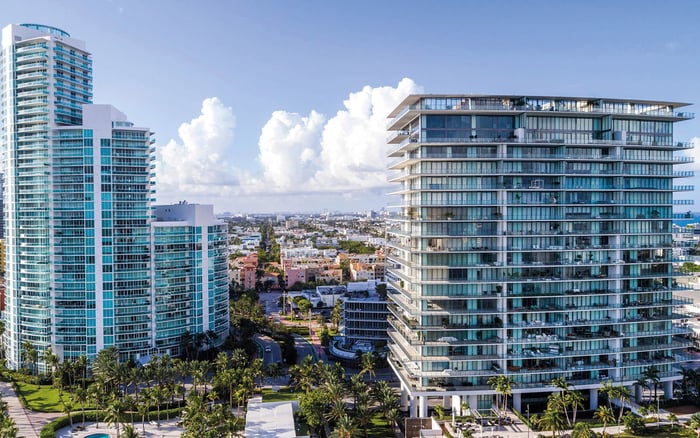
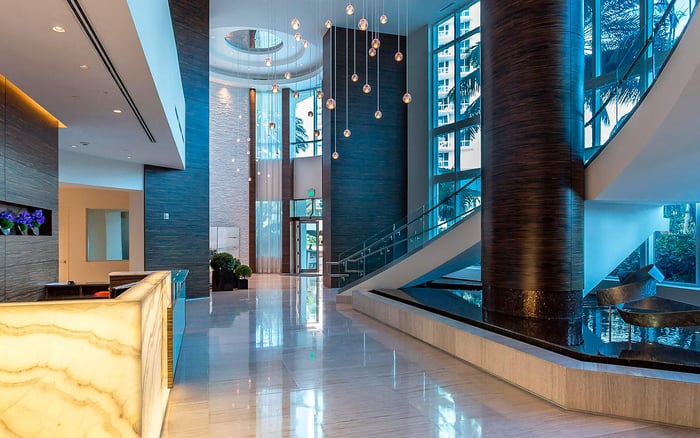
In South of Fifth, the choice between branded service and boutique discretion is less about status than daily rhythm, privacy expectations, governance, and how a buyer wants home to function when no one is watching.
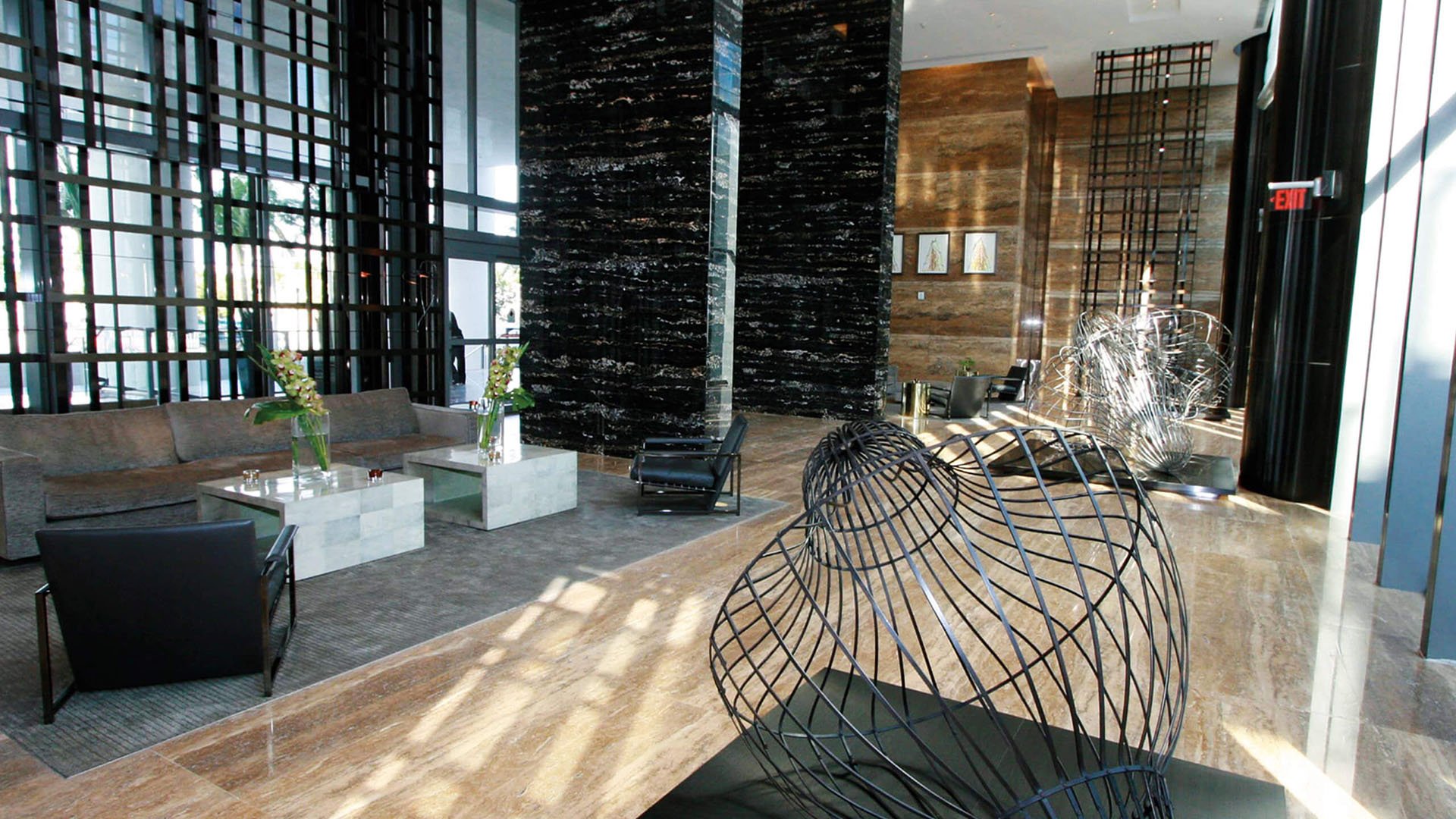
In South of Fifth, the choice between branded service and boutique discretion is unusually personal. It is not a referendum on taste, wealth, or visibility. It is a question of how a residence should behave around you. Some buyers want the choreography of a trained hospitality environment: remembered preferences, polished arrivals, consistent staffing, and an understood standard from the moment a car door opens. Others prefer the quiet authority of a smaller building, where privacy is not an amenity but a culture.
Sofi, as many buyers call it, rewards precision. The neighborhood’s appeal is intimate by Miami Beach standards, and that intimacy magnifies the ownership experience. A lobby that feels gracious during a showing may feel too social after a long flight. A building that appears understated may become invaluable when the owner prizes anonymity, limited circulation, and a calmer daily rhythm.
This is why the South of Fifth conversation often begins with architecture and ends with behavior. A residence is not only what it contains. It is how it receives guests, protects privacy, accommodates staff, processes deliveries, manages vendors, and communicates with owners when they are away.
At its best, branded residential service offers consistency. Buyers are not only buying access to amenities or a recognizable name. They are buying a service language that has been trained, repeated, and refined. The value lies in fewer improvisations. The owner who travels frequently, entertains formally, or expects a residence to operate with hotel-level ease may find that a branded environment reduces friction.
That does not mean every branded building is automatically the right fit. The real question is how the brand expresses itself day to day. Is the arrival sequence formal or relaxed? Is staff presence warm or conspicuous? Does the service culture support private living, or does it create a sense of constant performance? In a high-discretion market, the most successful branded residences are often those that understand restraint.
For buyers considering a service-forward South Beach address, The Ritz-Carlton Residences® South Beach represents the kind of name that prompts a practical conversation about hospitality expectations. The useful inquiry is not whether the name is recognized. It is whether the building’s operating style aligns with how the owner actually lives.
Boutique ownership appeals to a different instinct. The buyer may already have staff, household systems, and established routines. They may not want a residence that announces a lifestyle. They may want fewer neighbors, less circulation, quieter common areas, and a governance culture that feels closer to a private club than a hotel.
Discretion is rarely a single feature. It is the accumulated effect of scale, staff judgment, entry design, parking protocol, guest handling, service access, and resident expectations. A boutique building can feel more personal because fewer people need to know what is happening. For some owners, that is the ultimate luxury.
This is where a project such as Apogee South Beach enters the buyer’s mental framework. The conversation around a residence like this is not only about the address. It is about whether the building’s personality supports a private, composed, highly residential life.
A serious buyer should study the arrival experience with unusual care. The first five minutes reveal more than a brochure. Where does the car stop? Who sees the owner arrive? How are guests greeted? Is there comfortable separation between residents, visitors, vendors, and service personnel? Does the lobby feel like a stage or a threshold?
Branded environments tend to excel when the owner values ceremony and a clear service chain. Boutique environments tend to excel when the owner wants less exposure and fewer social encounters. Neither is superior in the abstract. The superior choice is the one that matches the owner’s tolerance for visibility.
The most revealing question is simple: after a difficult travel day, would you rather be recognized immediately and guided through a polished protocol, or move through the building with minimal interaction? The answer often decides the category before finishes, floor height, or amenity programming enter the discussion.
Luxury buyers often focus first on interiors, views, and terraces. In South of Fifth, governance deserves equal attention. A well-run building is not merely attractive. It is predictable. It has rules that are understood, staff who are appropriately empowered, and a board culture that protects the long-term tone of the property.
In branded residences, buyers should understand where the brand’s service standards end and association governance begins. A name can set expectations, but daily operation depends on management, budget priorities, staffing continuity, and owner participation. The best questions are practical: how are requests handled, how are vendors managed, how is security balanced with hospitality, and how is privacy protected?
In boutique buildings, buyers should look closely at institutional memory. A smaller property can be exceptionally discreet, but it must still operate with discipline. The absence of overt branding should not mean informal procedures. In the ultra-premium tier, discretion must be systematic, not accidental.
Branding can simplify resale language. A globally understood name gives future buyers an immediate frame of reference. It can communicate service, standards, and lifestyle without lengthy explanation. For owners who value liquidity, recognizability can matter, particularly when marketing to buyers who are not deeply familiar with every South Beach building.
Boutique properties require a more nuanced resale story. Their appeal may rest on scarcity, privacy, resident culture, or the quiet confidence of a specific address. This can be powerful, but it depends on the buyer understanding the difference between understated and under-positioned.
A building such as Continuum on South Beach illustrates why local context matters. In South of Fifth, certain names carry meaning because of the way buyers discuss the neighborhood, compare lifestyles, and imagine ownership. The right advisor translates that meaning without reducing the decision to a logo.
The branded buyer often wants home to feel supported even when they are absent. They may divide time among several residences, arrive with little notice, or host guests who expect an intuitive service environment. For this buyer, the residence should anticipate rather than merely respond.
The boutique buyer often wants control. They may prefer to build their own service ecosystem, work with familiar household staff, and avoid unnecessary points of contact. For this buyer, the residence should protect quiet, limit exposure, and avoid over-programming.
Couples and families may divide on this question. One person may prize service recognition, while another wants anonymity. The best solution is not always a compromise. It may be a careful reading of daily patterns: school routines, guest frequency, entertaining style, travel schedules, staff needs, pet movement, and the owner’s comfort with communal spaces.
South of Fifth rewards buyers who know themselves. The neighborhood’s best residences do not need to shout. They need to fit. A branded address can be ideal if service is truly part of the owner’s definition of ease. A boutique building can be ideal if privacy is the owner’s definition of freedom.
The risk is buying the symbol rather than the operating reality. A brand without restraint can feel too public. A boutique property without structure can feel too informal. The most sophisticated buyers ask how the building behaves at 7 a.m., during a guest arrival, after a storm, during a renovation next door, and when the owner is abroad.
In the end, the right South of Fifth residence should make life feel lighter. Whether that lightness comes from formal service or near-invisible discretion depends on the owner. The market offers both sensibilities. The art is choosing the one that will still feel correct after the closing dinner has ended and ordinary life begins.
Is branded service always better for South of Fifth buyers? No. Branded service is best when the owner values hospitality structure, recognition, and consistency more than maximum anonymity.
Who is best suited to a boutique building? A boutique building often suits owners who prioritize privacy, fewer daily interactions, and a quieter residential culture.
Does a brand help with resale? It can help by giving future buyers a clear service and lifestyle reference, but resale still depends on the property’s full ownership experience.
What should buyers evaluate first during a showing? Start with arrival, privacy, staff interaction, guest flow, and the way the building feels before focusing on finishes.
Can a branded residence still feel discreet? Yes, if the service culture is restrained, well-trained, and designed to support privacy rather than visibility.
Can a boutique residence offer strong service? Yes. Boutique service can be excellent when procedures are disciplined and staff understand resident expectations.
Is South of Fifth better for full-time or seasonal owners? It can work for both, but the right building depends on how often the owner is in residence and how much support they need while away.
Should governance matter as much as amenities? Yes. Governance shapes staffing, rules, privacy, vendor access, and the long-term tone of the property.
How should privacy be compared between buildings? Look at entry design, elevator flow, staff discretion, guest handling, service access, and the number of people moving through common areas.
What is the simplest way to decide between branded and boutique? Ask whether home should feel expertly managed around you or quietly protected from the world around you.
For a discreet conversation and a curated building-by-building shortlist, connect with MILLION.
If branded residences are on your mind — as a home or as an allocation — we would be glad to share what we are seeing, privately.
Begin a quiet conversation