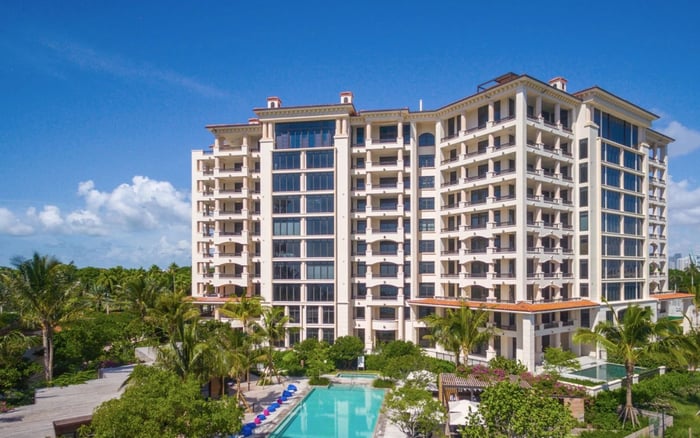
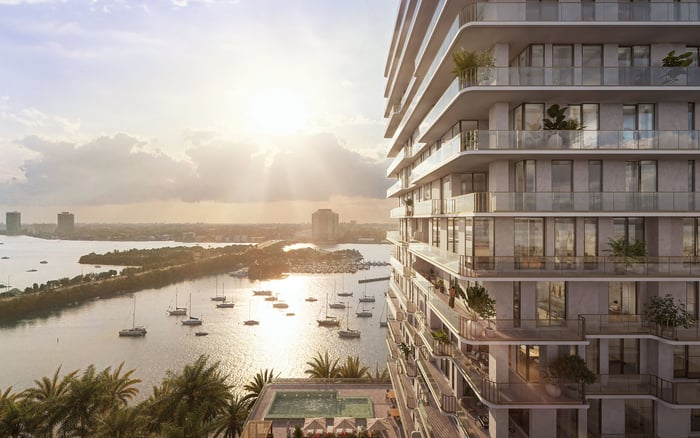
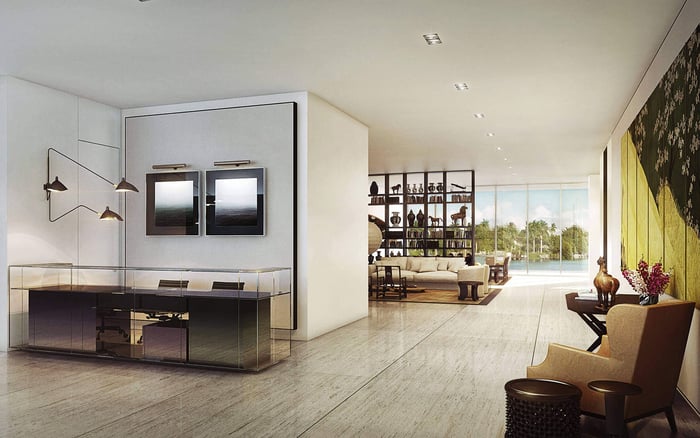
Five conditional lock-and-leave candidates in Bay Harbor Islands and North Bay Village, with a clear distinction between leasing flexibility, extended-guest permissions, and the financial discipline buyers must establish before committing.
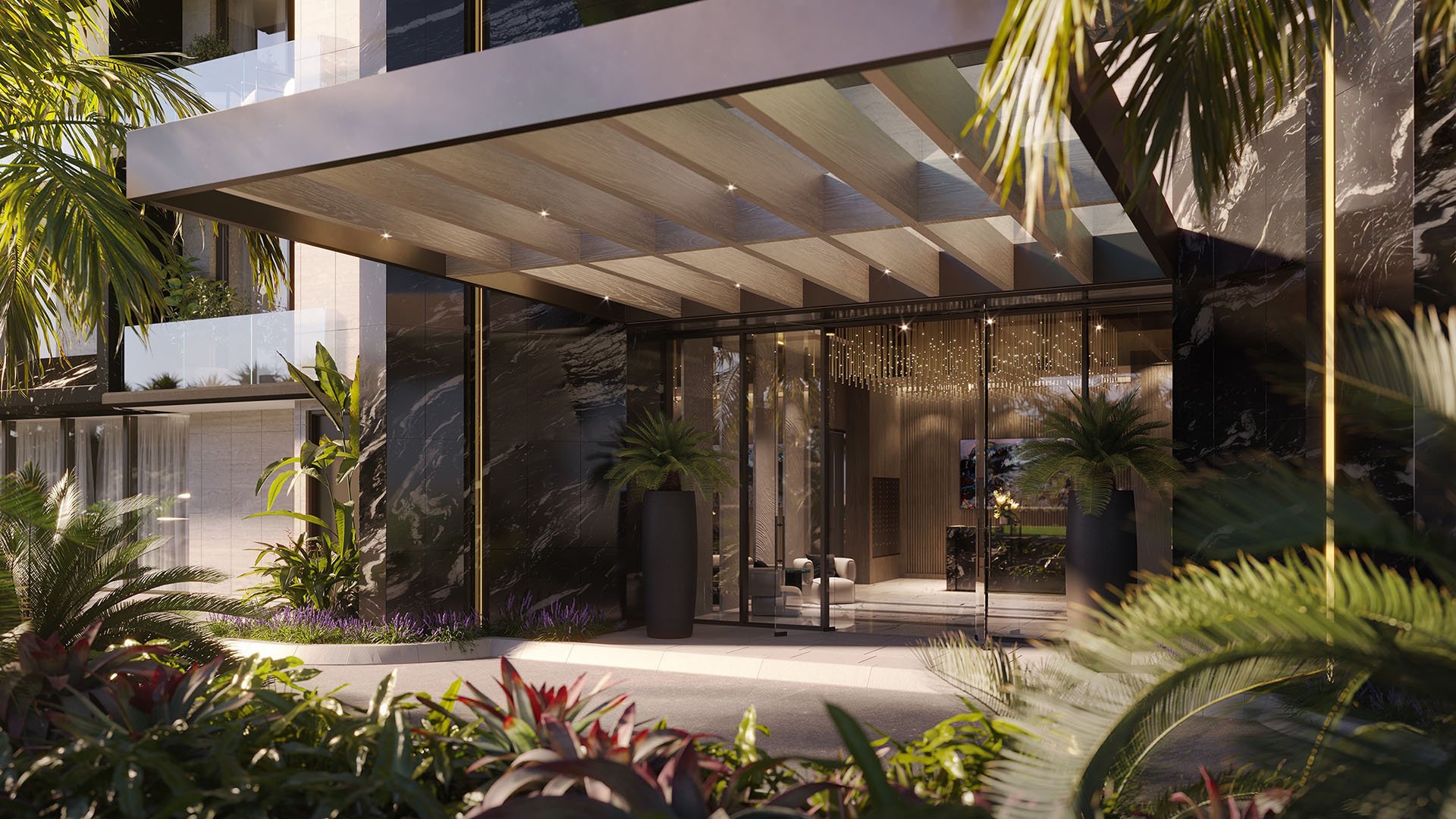
The most valuable lock-and-leave residence is not simply one that can sit empty. Its rules must accommodate the household while the owner is elsewhere: adult children arriving independently, a house manager preparing the apartment, or staff supporting an extended family stay. For buyers dividing their time among homes, that distinction deserves as much attention as the floor plan.
Bay Harbor Islands and North Bay Village offer five candidates worth considering, but their suitability is conditional. Leasing permissions are not guest permissions, and neither extended-guest rights nor long-term financial discipline has been established here for any of these options. This shortlist identifies distinct ownership possibilities, not five interchangeable solutions. Written occupancy rules and financial review should guide the final choice.
1. Shoma Bay - North Bay Village, month-plus leasing flexibility
Shoma Bay offers the strongest reported medium-term leasing flexibility on this shortlist: 12 rentals annually, each with a 30-day minimum. The development is described as 21 stories with 333 residences. For owners seeking to lease during absences, that stated rental calendar offers considerably more opportunities than a twice-yearly limit.
That flexibility does not establish whether relatives, staff, or a house manager may occupy the residence independently. Its first-place ranking reflects the leasing framework-not verified guest access, reserve strength, or management performance.
2. Bay Harbor Towers - Bay Harbor Islands, boutique waterfront scale
Bay Harbor Towers is described as an eight-story waterfront building with 44 residences, a private marina, and two- to four-bedroom layouts. Its smaller residential scale distinguishes it from the larger North Bay Village towers.
This second-place choice remains conditional. A 30-day rental policy has not been established, and buyers should not assume furnished delivery or professional management arrangements. The appeal lies in the residential format; suitability for extended family and staff stays still requires written confirmation.
3. Continuum Club & Residences - North Bay Village, fewer permitted leases
Continuum Club & Residences has a reported policy of two rentals annually, each lasting at least 30 days. Planned as a 32-story tower with 198 residences, it includes one- to four-bedroom homes and penthouses. Compared with Shoma Bay, its stated policy permits fewer rental turnovers for an individual residence.
That may appeal to buyers who prefer a more constrained leasing calendar. It does not establish actual building-wide turnover, stronger finances, or greater discretion for owner-absent family stays. Those remain separate questions, not benefits to infer from the rental limit.
4. Tula Residences - North Bay Village, conditional new-development choice
Tula Residences earns a place on the shortlist for its waterfront luxury positioning, with an earlier completion target of 2026 and a more specific projected delivery of Q4 2026. Neither projection establishes that the building has been delivered or is ready for occupancy.
Its rental frequency, minimum stays, and extended-guest policy remain unverified. For this buyer profile, Tula merits consideration only alongside confirmation of delivery status and governing documents. A planned luxury setting cannot substitute for an enforceable occupancy arrangement.
5. The Ivory - Bay Harbor Islands, shorter-stay flexibility
The Ivory has a stated three-day rental minimum and unlimited rentals annually. It offers a different proposition from the month-plus policies associated with Shoma Bay and Continuum: substantially broader permitted leasing frequency rather than a deliberately constrained rental calendar.
It is an alternative for buyers open to short-stay flexibility, not the closest match for those prioritizing month-plus minimums. The policy alone demonstrates neither actual turnover nor weak management. It also does not establish independent access or overnight rights for family, staff, or house managers.
Before comparing amenities, map a realistic year of use. Separate owner visits, unpaid family stays, staff visits, and intended leases. Each category needs its own answer; a rental allowance is not shorthand for all four.
At Shoma Bay North Bay Village, the reported 12-lease allowance may suit a calendar with several month-long rental periods. At Continuum Club & Residences North Bay Village, two permitted leases call for more selective scheduling. Neither framework answers whether an adult child can stay alone for six weeks without being treated as a tenant.
For Tula Residences North Bay Village, resolve timing before building a seasonal plan. Request confirmation of occupancy readiness separately from the rules that would govern the household after closing.
The 44-residence format at Bay Harbor Towers offers a different scale of ownership. A private marina adds another feature to evaluate, but neither a smaller resident count nor a waterfront setting establishes lower carrying costs or better governance.
Ask how marina expenses, maintenance responsibilities, and access are allocated. Confirm whether the proposed purchase includes marina rights rather than assuming they accompany every residence. For buyers who intend to leave a home unattended, those details belong in the same conversation as unit inspections and emergency access.
The Ivory offers the contrasting leasing model. A three-day minimum is not evidence of poor operations, but it is a weaker match for buyers who specifically want month-plus minimums.
Request written rules addressing owner-absent guests, maximum consecutive stays, annual limits, registration, occupancy caps, and association approval. Have counsel distinguish family use from tenancy and determine whether staff are treated as visitors, service providers, or occupants. Confirm all stated rental allowances against current governing documents before relying on them.
For a house manager, separate daytime access from overnight occupancy. Clarify credentials, keys, vendor coordination, emergency entry, and whether authorization continues while the owner is abroad. A general assurance that the building is accommodating is not enough.
Then assess the financial structure independently. Review budgets, reserve studies, insurance schedules and deductibles, assessment history, management contracts, and audited financial statements where available. For a development still approaching delivery, distinguish projected operating costs from an established operating record. Neither generous guest rules nor restrictive leasing limits prove financial resilience.
Shoma Bay leads for reported month-plus leasing flexibility; Continuum offers fewer permitted annual leases. Bay Harbor Towers is the smaller-scale candidate, Tula requires delivery and policy confirmation, and The Ivory is the shorter-stay alternative. None should be selected for family or staff flexibility until its documents support the intended use.
The right lock-and-leave home should make absence manageable without requiring exceptions every time the household changes.
For a discreet conversation about matching these ownership priorities to a South Florida residence, connect with MILLION.
If branded residences are on your mind — as a home or as an allocation — we would be glad to share what we are seeing, privately.
Begin a quiet conversationShoma Bay has the strongest reported month-plus leasing flexibility on this shortlist, with 12 rentals annually and a 30-day minimum. That does not establish independent guest or staff occupancy rights.
Its reported policy permits two rentals annually, each lasting at least 30 days. Buyers should confirm the current governing documents before relying on that allowance.
Not necessarily. Owner-absent family occupancy requires a separate review of guest definitions, stay limits, registration, and approval requirements.
Its described 44-residence waterfront format and private marina make it a boutique-scale candidate. Its rental flexibility and extended-guest permissions remain unverified.
No. Furnished delivery and turnkey status are not established and should not be assumed.
No completion is established here. Earlier projections targeted 2026, including Q4 2026, but a target date is not confirmation of delivery.
The Ivory is listed with a three-day minimum and unlimited rentals annually. That makes it a weaker fit for buyers specifically seeking month-plus minimums.
That permission is not established for any shortlisted property. Buyers should obtain written clarification distinguishing daytime service access from overnight occupancy.
Review budgets, reserve studies, insurance schedules, assessment history, management contracts, and audited financial statements where available. Projected costs should be distinguished from an established operating record.
No. Fewer permitted leases do not establish reserve adequacy, management quality, actual building-wide turnover, or financial resilience.