A Hillsboro Beach condo’s generator should be evaluated circuit by circuit, not as a blanket assurance of uninterrupted living. Here is how to distinguish required elevator and pump coverage from documented cooling, refrigeration, and resident connectivity.
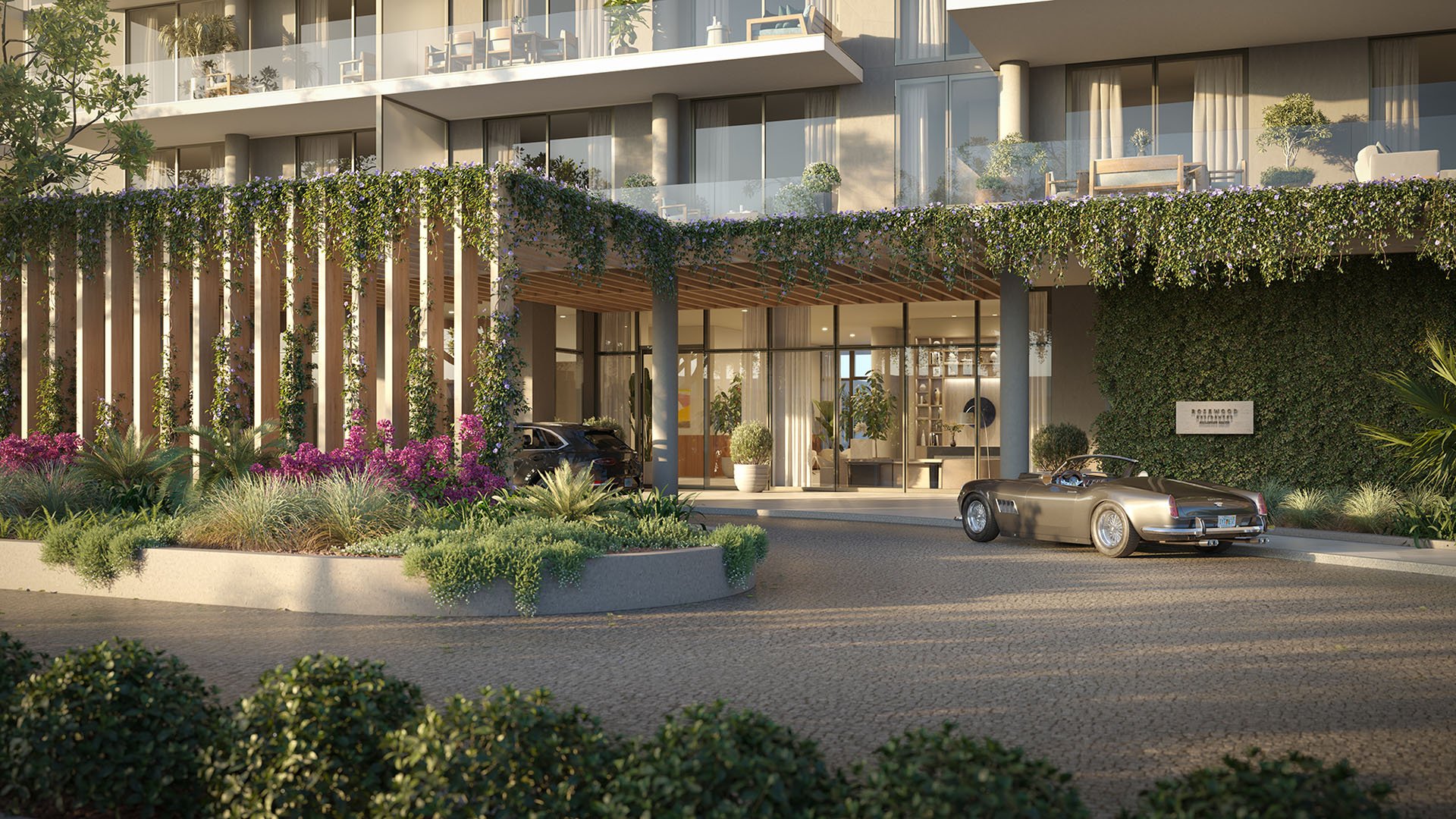
In a Hillsboro Beach condominium, continuity deserves the same attention as the floor plan. The practical question is not whether the property has a generator, but which parts of daily life it is documented to support: reaching the residence, cooling occupied rooms, preserving refrigerated items, and maintaining communications.
A generator is not a promise of whole-residence continuity. For a buyer considering Rosewood Residences Hillsboro Beach, or another address in town, the ownership file should translate every assurance into an identifiable load, an operating condition, and a supported duration. No project-specific backup capability should be inferred from a property's name or positioning.
Hillsboro Beach’s ordinance requires multifamily dwellings with elevators, sewage-treatment pumps, or other necessary pumps to install and maintain a generator adequate to operate the covered equipment simultaneously. That establishes a meaningful baseline-not uninterrupted operation of every building system.
The elevator distinction is especially important: one operating elevator in each bank is deemed sufficient. A statement that a building has elevator backup should therefore not be read as a promise that every car will operate during an outage.
Exit and interior emergency lighting may be supplied by the generator or battery-powered panic lighting. Illuminated corridors alone do not establish which other circuits receive generator power. Ask management to distinguish generator-supported equipment from separately battery-supported equipment in the written operating description.
Request approved drawings, load calculations, transfer-switch diagrams, and panel schedules. Together, these documents should allow a qualified reviewer to match claimed elevator, pump, lighting, and public-safety communications coverage to the documented electrical arrangement.
The file should also identify generator and fuel-tank locations. In Broward, generator-plan requirements address those locations, while the June 2023 fire-code provisions require plans to clearly identify the manual emergency shutoff location. Confirm which approvals govern the installation; a generic checklist is not a compliance determination.
For each claimed function, ask the reviewer to record:
The equipment or circuit receiving backup power.
The drawing and panel references supporting that coverage.
Whether operation is simultaneous, selective, or conditional.
The duration supported by the documented operating assumptions.
As an additional diligence step, request maintenance records, testing documentation, and current emergency operating instructions. These help frame follow-up questions but should not substitute for the approved electrical scope.
For an owner, elevator backup is as much an access question as an equipment question. Ask which car in each bank is designated to operate, which floors it serves under the emergency arrangement, and what instructions residents receive when normal power is unavailable.
The local requirement for simultaneous operation of covered equipment makes the load calculation important. The review should reconcile elevator service with the necessary pumps covered by the ordinance, rather than assess the elevator in isolation.
For buyers also evaluating The Ritz-Carlton Residences® Pompano Beach, the same documentation questions provide a useful comparison framework. Hillsboro Beach’s municipal requirement, however, should not be projected onto a Pompano Beach property. Establish the applicable local requirements separately.
The most consequential distinction may be between functioning common infrastructure and a comfortable residence. The local elevator-and-pump requirement does not, by itself, establish backup for an individual condominium’s air conditioning or refrigerator.
For cooling, request a written description of the spaces and equipment covered. Does the claim concern a shared room, selected residential equipment, or the complete residence? Ask the electrical reviewer to reconcile that description with the drawings and panel schedules. Until that connection is established, residential cooling should remain unconfirmed in the purchase evaluation.
Do not assume that emergency environmental-control provisions establish a universal condominium cooling mandate. The relevant Uniform Generator Code scope concerns qualifying board-and-care occupancies, not ordinary condominium residences generally.
Apply the same discipline to refrigeration. Ask whether the specific refrigerator circuit receives backup power and under what operating conditions. A general statement about emergency power does not establish coverage for kitchen refrigeration, separate freezers, or other appliances. Record only the circuits supported by the building’s documentation.
Communications require their own review. The 2023 building-code provisions require at least 12 hours of standby power at full capacity for required emergency-responder radio coverage systems. That protection concerns public-safety communications; it does not guarantee resident Wi-Fi, internet, or cellular availability.
Low-voltage installation approval requirements encompass communications, computer systems, fiber optics, and fire alarms. Their inclusion in permitting does not establish mandatory backup for resident internet service.
Ask management to identify which resident-network components, if any, receive backup power and what remains outside the building’s documented control. For a comparison involving Four Seasons Hotel & Private Residences Fort Lauderdale, use the same connectivity questions without assuming that service positioning establishes technical continuity. Fort Lauderdale buyers should seek property-specific answers, just as Hillsboro Beach buyers should.
Before applying the 2023 building-code provisions, establish the building’s applicable code edition and approvals. Those provisions require covered stationary emergency and standby generators to be listed to UL 2200. They also require emergency and standby systems to supply required loads for at least two hours without refueling or recharging, unless another duration is specified.
Required emergency power for means-of-egress illumination has a minimum 90-minute duration. Neither figure establishes whole-building operating time or residential cooling and refrigeration coverage.
Request the load assumptions behind any runtime statement, along with the documented fuel provision and any replenishment arrangements being represented. Keep required-load endurance separate from optional residential service. The useful answer is a duration tied to defined equipment and conditions-not an isolated number of hours.
Older ownership files may reference the 2010 version of Florida’s elevator-backup statute. That historical text addressed alternate power for at least one public elevator in residential multifamily buildings at least 75 feet high and allowed specified on-site or contracted generator arrangements. It also addressed emergency operations planning.
Treat those references as historical context, not proof of current law or building compliance. Have qualified legal and technical advisers confirm present applicability.
The final ownership summary should distinguish documented coverage, expressly excluded functions, and unresolved questions. That is the difference between buying a reassuring phrase and understanding how the residence is intended to function when normal power is unavailable.
For a considered approach to South Florida condominium ownership, explore MILLION.
If branded residences are on your mind — as a home or as an allocation — we would be glad to share what we are seeing, privately.
Begin a quiet conversationThe local ordinance requires multifamily dwellings with elevators, sewage-treatment pumps, or other necessary pumps to install and maintain a generator adequate to operate the covered equipment simultaneously.
Not necessarily. The local ordinance deems one operating elevator in each elevator bank sufficient, so buyers should confirm the building’s specific operating arrangement.
The elevator-and-pump requirement does not establish residential air-conditioning coverage. Treat cooling as unconfirmed unless building-specific electrical documentation establishes it.
Ask a qualified reviewer to match the refrigerator’s circuit to approved drawings, transfer-switch diagrams, and panel schedules. General emergency-power assurances do not establish appliance coverage.
No. Hillsboro Beach permits exit and interior emergency lighting to be supplied by the generator or battery-powered panic lighting.
No. The 2023 provision addresses required loads, unless another duration is specified, and does not establish residential cooling or refrigeration coverage; building-specific code applicability must also be confirmed.
No. The 12-hour standby provision for required emergency-responder radio systems concerns public-safety communications, not resident Wi-Fi, internet, or cellular continuity.
Request approved drawings, load calculations, transfer-switch diagrams, panel schedules, and plans identifying generator, fuel-tank, and manual emergency shutoff locations. Maintenance and testing documentation can support additional diligence.
Not on its own. The 2010 text is historical context, and qualified advisers should confirm the current law and its application to the building.
No whole-residence generator, cooling, refrigeration, or internet-continuity capability is established here for the linked projects. Obtain property-specific documentation before relying on any such assurance.