A buyer-focused guide to verifying medical-equipment power, caregiver parking, and emergency responder access at Mr. C Residences Boca Raton, from contract review through the management handoff.
For a buyer evaluating Mr. C Residences Boca Raton, household requirements should guide due diligence alongside the floor plan and purchase agreement. For anyone who uses powered medical equipment or relies on caregivers, the most consequential questions concern infrastructure and operating procedures.
Which outlets would remain energized during an outage? Where would an overnight caregiver leave a vehicle? How would responders reach the residence if normal building operations were interrupted? These are ownership questions, not requests for additional luxury.
The distinction matters: an unverified feature is not necessarily an absent one. This guide does not confirm whole-unit backup electricity, generator-fed medical-equipment outlets, caregiver parking rights, or a dedicated ambulance staging location. Seek written, residence-specific answers rather than interpret uncertainty as reassurance or a defect.
Before signing, prepare a concise household requirements brief. Identify equipment that needs electricity, anticipated caregiver schedules, delivery needs, and mobility considerations. Share technical requirements with the appropriate building representatives, limiting personal medical information to what is necessary.
Ask the sales team to direct each question to the party qualified to answer it. Electrical questions require technical documentation; parking questions require operating rules; responder access requires approved plans and relevant fire-marshal documentation. A general assurance that staff will accommodate residents is no substitute for those materials.
Have purchase counsel review how each essential representation is reflected in the transaction documents. Distinguish a proposed accommodation from an approved arrangement, and an approved arrangement from a contractual commitment. If a requirement remains unresolved, ask counsel to explain the implications before proceeding.
A buyer also considering Alina Residences Boca Raton should apply the same requirements brief independently. Consistent questions support a useful comparison without assuming that different buildings share electrical systems or operating policies.
The central electrical question is not simply whether the building has a generator. It is whether the backup configuration, if provided, supports the household's specific equipment, in the intended residence, under the conditions required.
Request written specifications for any generator system identifying supported residential circuits, common-area loads, and elevator operation during an outage. Ask whether any outlets inside the intended home receive emergency power, where they would be located, and what limits or interruptions would apply. These residence-level capabilities require specific confirmation.
Do not infer dedicated medical circuits or continuity of equipment power from unrelated electrical amenities. Ask for documentation addressing the equipment's actual requirements rather than relying on a general description of building systems.
Review the documentation with the equipment supplier, a treating clinician where appropriate, and a qualified electrical professional. Battery or uninterruptible power supply arrangements should be device-specific, professionally assessed, and reviewed for any necessary building approval. They are not confirmed project options. A generic battery recommendation cannot establish safe operating time for an individual device.
Ask those advisers to help develop a contingency plan for interruptions beyond the equipment's verified backup duration. Keep clinical decisions separate from the building's hospitality role.
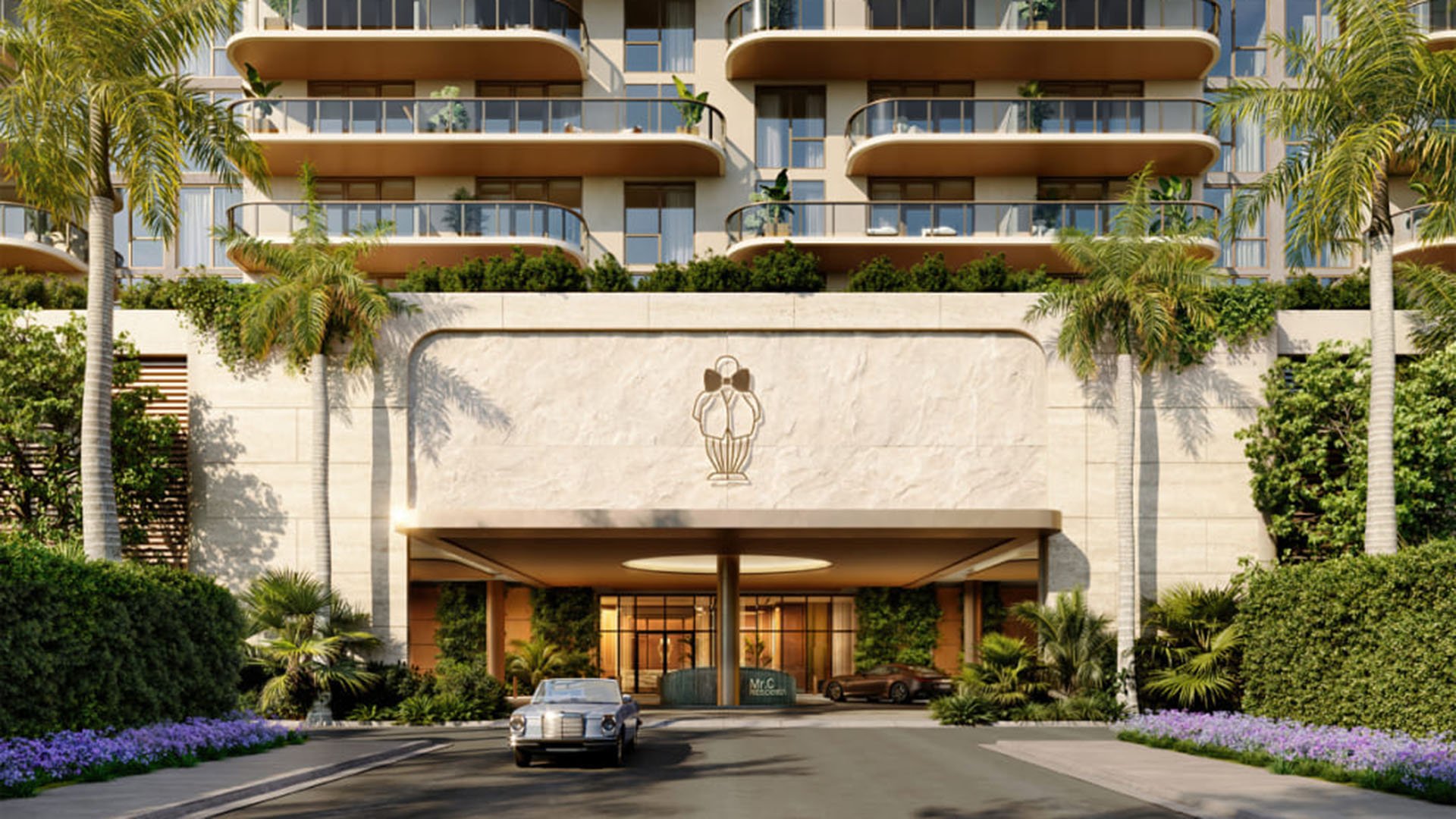
An arrival area or parking structure does not, by itself, establish where a caregiver may park for a full shift. Request the applicable parking plan and operating rules rather than infer recurring access from the property's design.
If valet service is offered, clarify whether its terms address caregiver-specific allocations, overnight permissions, or fees. Obtain written answers covering recurring access credentials, shift changes, overnight stays, vehicle retrieval, and whether access depends on the resident being present. Clarify what happens when a replacement caregiver arrives outside the usual schedule.
Treat drop-off and equipment delivery as separate matters. Ask about stopping limits, unloading locations, delivery scheduling, and the route from vehicle to residence. For a household receiving recurring supplies, knowing those procedures before occupancy is more useful than a general promise of assistance.
Do not build a recurring-care arrangement around assumed availability of nearby public parking. Establish a documented parking option for the anticipated schedule.
General vehicle circulation does not establish a dedicated EMS bay, ambulance clearance, or a confirmed staging location. Each requires separate verification.
Request the approved site plan and relevant fire-marshal documentation showing responder approaches, staging areas, and fire-department connections. Ask management to explain the intended route from the street to the residence, including access-control procedures and how arriving responders would be directed. These are requests for confirmation, not descriptions of established project procedures.
Elevator counts and emergency-power configurations are not confirmed here. Ask which elevators, if any, would operate during an outage and how emergency conditions affect their use. Develop a household-specific emergency plan with qualified advisers rather than assume normal elevator access will always be available.
When comparing Glass House Boca Raton, request its documentation separately. Arrival architecture alone is not a reliable basis for ranking emergency access at either property.
When reviewing a branded residence, distinguish any dining, concierge, or other hospitality services from clinical care. An amenity offering does not establish on-site medical support or guaranteed emergency-response performance.
Likewise, concierge and security services should not be interpreted as medical monitoring. Ask what assistance staff are authorized and trained to provide, how residents should request emergency help, and where staff responsibilities end. Written boundaries help owners and caregivers plan without assigning clinical duties to hospitality personnel.
Before occupancy, reconcile the answers obtained during sales with final management procedures. Assemble a household reference file containing confirmed electrical information, approved equipment arrangements, caregiver credentials, parking terms, delivery instructions, and emergency contacts.
Request a walkthrough of the relevant arrival and access routes with management. Confirm how changes in caregivers, equipment, or household needs should be submitted. Revisit provisional answers rather than allowing repetition to turn them into assumptions.
The goal is not to make a residence function as a clinical facility. It is to establish whether its documented infrastructure and operating rules support the household's needs, with appropriate professional advice and a realistic contingency plan.
For a discreet approach to evaluating South Florida residences around your household's priorities, connect with MILLION.
If branded residences are on your mind — as a home or as an allocation — we would be glad to share what we are seeing, privately.
Begin a quiet conversationPrioritize residence-specific electrical support, caregiver access and parking, and emergency responder routes. Obtain written documentation before relying on any arrangement.
This guide does not confirm whole-unit backup electricity or generator-fed medical-equipment outlets. Those capabilities require residence-specific verification and should not be assumed absent or available.
Request specifications for any generator system identifying supported residential circuits, common-area loads, and elevator operation during an outage. Seek residence-specific confirmation of supported outlets and operating limits.
No generic arrangement should be assumed suitable. Have the device's requirements assessed by qualified advisers and obtain any necessary building approval.
No, unrelated electrical amenities do not establish dedicated medical-circuit capacity or backup electricity for equipment. Request documentation specific to the intended residence and device.
This guide does not confirm caregiver-specific parking allocations, overnight permissions, or fees. Obtain written terms for recurring visits and overnight shifts.
An arrival area alone does not establish ambulance clearance or a dedicated staging location. Request approved plans and relevant fire-marshal documentation.
Elevator counts and emergency-power configurations are not confirmed here. Ask which elevators would operate during an outage and what restrictions would apply.
Hospitality services are not evidence of on-site clinical care or guaranteed emergency-response performance. Confirm staff responsibilities separately from the household's care arrangements.
Reconfirm electrical information, equipment approvals, caregiver access, parking terms, delivery procedures, and emergency arrangements with management. Resolve provisional answers before relying on them.